
 GistVibes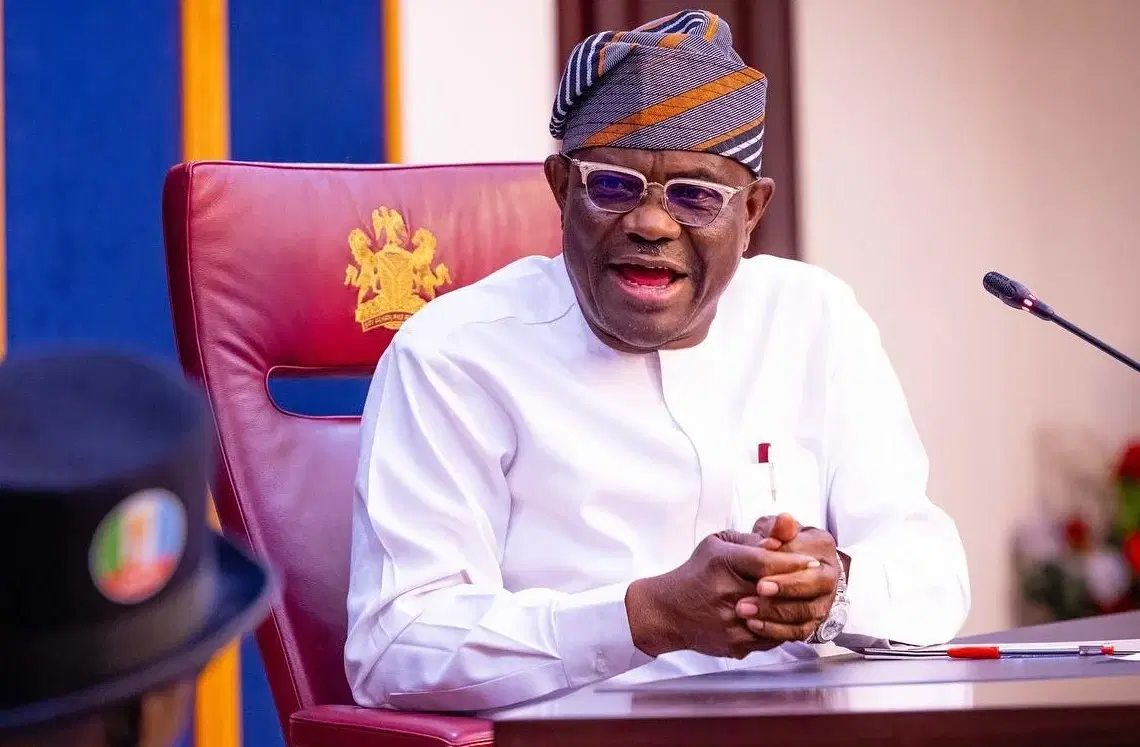
Table of Contents
Public attention has turned to a sharp statement made by Nyesom Wike, following criticism of his role and conduct in office. Speaking in response to questions about accountability and political pressure, Wike said that only President Bola Ahmed Tinubu has the authority to remove him. The remark has since circulated widely, not because it introduced a new policy, but because of what it suggests about power, loyalty, and limits within government.
The comment landed at a time when political debate is already tense, making it part of a broader discussion rather than a passing exchange.
Who Spoke, and Where It Came From
The statement came directly from Wike during a public engagement where he addressed criticism from opponents and commentators. While the setting was not framed as a formal announcement, the words were clear and deliberate. By naming the President as the only person with removal power, Wike drew a firm line around where authority begins and ends.
What Was Actually Said
Wike’s point was straightforward. He rejected calls or pressure from critics, saying that dismissal is not in their hands. By referencing the President alone, he framed his position within the structure of executive authority, rather than personal opinion or party noise.
Importantly, the statement did not announce any new action, nor did it threaten opponents. It was a response to criticism, not a policy declaration.
How People Are Interpreting It
Reactions have varied. Some see the comment as confidence, even defiance, suggesting Wike feels secure in his position. Others read it as a reminder of political hierarchy, emphasising loyalty to the President above all else.
There are also interpretations that go further, suggesting internal political tensions or attempts to silence criticism. At this stage, those readings remain speculative, as no additional statements have confirmed such intentions.
Why the Timing Matters
The remark comes at a period when public officials are under closer scrutiny. Economic pressure, policy changes, and political realignments have heightened expectations around transparency and responsibility. Statements about who holds power, and how it is exercised, naturally attract attention in this climate.
For many observers, the timing makes the comment feel less casual and more symbolic.
Who Is Most Affected by the Conversation
The immediate impact is political, shaping how supporters and critics view leadership and accountability. Beyond that, the wider public is drawn into the discussion, as it touches on how authority works within government and what checks truly exist.
Political parties, civil groups, and commentators also feel the ripple effect, as such remarks influence ongoing debates about governance and control.
What Remains Unclear
The statement does not clarify how criticism will be handled going forward, or whether any internal discussions prompted the response. It also leaves open questions about how dissent is viewed within political structures.
As with many political exchanges, meaning may become clearer only through subsequent actions, not further words.
Final
Wike’s comment that only the President can remove him has moved beyond a simple reply to critics and into a wider conversation about authority and accountability. While the statement itself is clear, its broader meaning depends on context, timing, and what follows next. For now, it stands as a reminder of how power is defined, and who ultimately holds it, within government.
Have any thoughts?
Share your reaction or leave a quick response — we’d love to hear what you think!
-
 0
0 - 0
- 0
- 0
- 0
- 0


