
 GistVibes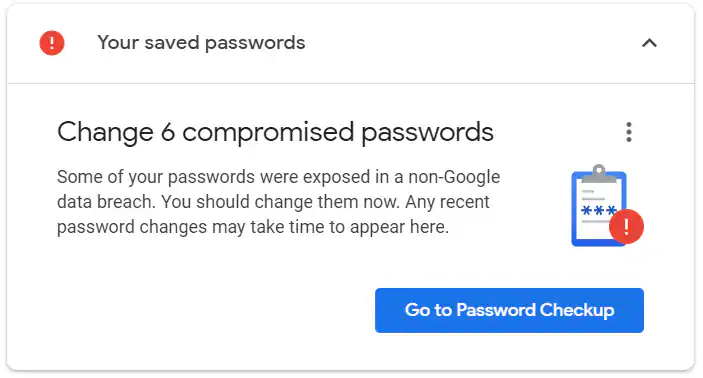
Most people realise something is wrong only after a strange sign appears. An account logs out unexpectedly. A password no longer works. Messages or actions appear that the owner does not remember making. Sometimes there is a warning email, sometimes there is none.
At this stage, people often say their password has been “compromised” without fully understanding what that actually means.
What a compromised password is
A compromised password is a password that is no longer secret. It means someone else has obtained it, guessed it, or gained a way to use it without the owner’s permission.
This does not always mean someone is actively using the account. It simply means the password can no longer be trusted as a secure way to prove identity. Once secrecy is lost, the password has failed its purpose.
How passwords become compromised
Passwords are compromised in several common ways, most of which involve normal everyday behaviour rather than complex attacks.
One way is reuse. If the same password is used on multiple accounts and one of those accounts is exposed, all others using that password are immediately at risk.
Another way is guessing. Short or predictable passwords can be worked out using basic attempts, especially if they include names, dates, or common words.
Passwords can also be exposed when typed on unsafe or shared devices, saved in unsecured places, or entered on fake sign-in pages that look real.
In some cases, a password is revealed indirectly, such as through old messages, screenshots, or notes that were never meant to be shared.
What happens after a password is compromised
Once a password is compromised, several things may happen, even if nothing is noticed immediately.
Someone may log in quietly to observe activity or collect information. They may change settings, recovery details, or linked accounts. In other cases, access is used quickly to send messages, reset other passwords, or lock the owner out entirely.
Even if no action is taken, the risk remains. As long as the password is still valid, access can happen at any time without warning.
Why one compromised password can affect other accounts
Many people link accounts together through email recovery or password reuse. This creates a chain effect.
If an email password is compromised, other accounts can often be reset through it. If the same password is reused across services, one exposure unlocks multiple doors.
This is why a single compromised password can lead to wider loss of access, even if those other accounts were never directly attacked.
Common misunderstandings about compromised passwords
A frequent misunderstanding is believing that compromise only happens after obvious damage. In reality, a password can be compromised long before anything noticeable occurs.
Another assumption is that compromise always involves advanced technical skill. Most cases involve simple guessing, reuse, or careless exposure.
Some people also believe changing one password fixes everything. If the same password is used elsewhere, the risk remains.
Why understanding this matters
Passwords are still a central part of digital identity. Even as sign-in methods change, passwords often act as backups, recovery keys, or first layers of access.
Understanding what a compromised password really means helps people respond calmly and correctly, rather than reacting only after damage spreads. It shifts the focus from panic to awareness.
Final
A compromised password is one that has lost its secrecy and can no longer be trusted. It may be guessed, reused, exposed, or accessed without the owner knowing. The danger lies not only in what happens immediately, but in what can happen as long as that password remains in use.
Have any thoughts?
Share your reaction or leave a quick response — we’d love to hear what you think!
-
 0
0 - 0
- 0
- 0
- 0
- 0


