
 GistVibes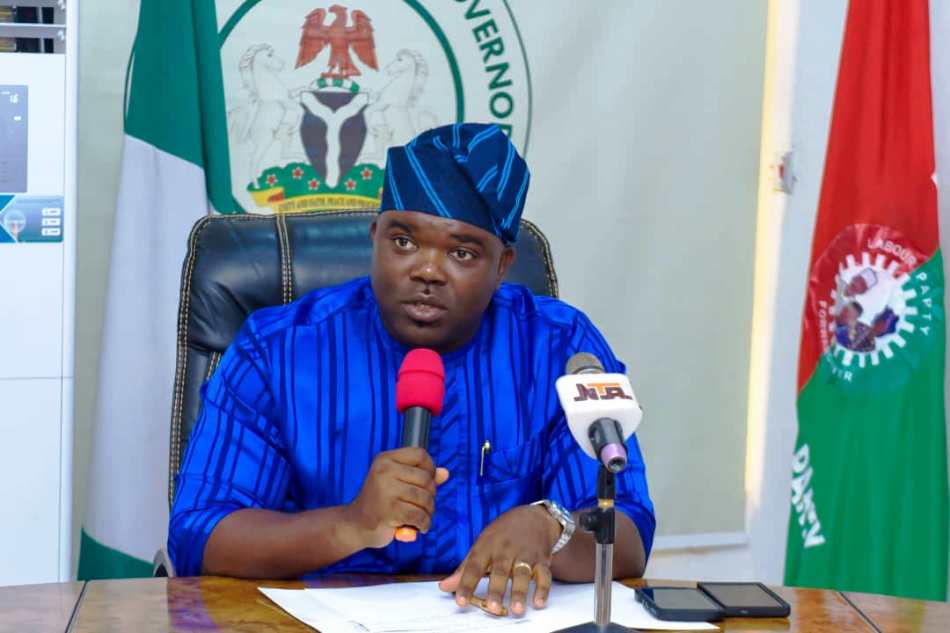
Table of Contents
Reports of a community crisis in Abia State have sparked heated talk, online arguments, and fresh worry in the affected area. In the middle of the tension are claims linking the Abia deputy governor to what’s happening, claims the deputy governor has now publicly denied.
What happened
A “community crisis” can mean different things in different places. In Abia, similar crises in the past have grown from land disagreements, leadership tussles, youth clashes, protest actions, or disputes tied to markets, boundaries, or local projects. In the current case, reports describe rising tension in a community, followed by public accusations and counter-accusations.
What can be stated without guesswork is this: there are reports of unrest, and there are claims circulating that try to connect a top state official, the deputy governor, to the problem. The deputy governor says that the connection is false.
Beyond that, key details are not fully settled in the public space. Some accounts describe a disagreement that started locally and then pulled in political angles. Others frame it as a long-running dispute that finally boiled over. Without a clear, unified statement from all involved parties (community leaders, security agencies, and state officials), it’s hard to treat any single version as the full story.
What are the allegations
From what’s being shared in public conversations and some local reports:
- Allegation (unverified): that the deputy governor supported one side in the dispute, either through influence, directives, or backing of certain actors.
- Allegation (unverified): that political interests are shaping how the crisis is being handled, including claims about who gets protection or attention.
- Confirmed point: the deputy governor has denied involvement, and the denial is now part of the public record.
If there were injuries, arrests, property damage, curfews, or shutdowns, those details should come from named sources such as police statements, verified community briefings, or credible on-the-ground reporting. Where those are missing or unclear, it’s safer to treat such claims as unconfirmed.
Event timeline
Because public details vary by source, this timeline sticks to general markers and flags gaps where needed:
- Date not publicly confirmed (early reports), Abia community (location not consistently cited): residents begin reporting rising tension tied to a local dispute.
- Following days (reports continue): claims spread online, including WhatsApp messages and posts naming alleged sponsors and “backers.”
- After the claims gain attention, local stakeholders (community voices, youth groups, or leaders, depending on the report) speak out with competing versions of events.
- Public denial issued: the Abia deputy governor rejects the accusations and says he’s not involved.
- Ongoing: residents and observers call for security action, mediation, or a proper inquiry, depending on the severity on the ground.
Key stakeholders usually include: community leaders, youth groups, traditional rulers, the relevant local government area officials, security agencies (such as the police), and state government representatives.
Deputy governor’s remarks
In his denial, the Abia deputy governor rejected any link to the crisis and pushed back on narratives that place him behind the conflict. The core message was straightforward: he says he did not sponsor, direct, or encourage any action connected to the unrest.
In many cases like this, officials also call for calm and ask security agencies to do their work. If that was included, it matters because it frames the state’s public posture: reduce tension, support investigation, and discourage retaliation.
The exact wording and channel matter, too. Was it a press statement from his office, a media interview, or a post shared online by an official account? Readers should look for the source or a report that clearly names where the statement came from, rather than recycled screenshots with no attribution.
Why the denial
When a community crisis turns political, things can get worse quickly. Even a rumour can harden into “truth” if it gets repeated enough, especially when fear is high, and people feel unprotected. A deputy governor is a prominent figure, so claims tied to that office can shape how residents interpret the entire crisis.
The denial matters for three practical reasons.
First, it affects trust in government. If people believe a senior official is backing one side, they may stop cooperating with mediation efforts, security checks, or peace meetings. That can stall any solution, even when a solution is possible.
Second, it can change how security is perceived. Police actions that might otherwise look routine can be read as biased. In tense communities, perception often drives behaviour, and behaviour can trigger fresh conflict.
Third, misinformation can be used as a tool. Some claims are spread for revenge, some for politics, and some just because people want a simple villain. But local disputes are rarely that simple. When stories omit facts, people may target the wrong person or overlook the real causes of the crisis.
Who is affected
Ordinary people usually carry the biggest burden:
- Residents and families who worry about safety at night and movement in the day.
- Farmers who may avoid farms if roads feel unsafe.
- Traders and small businesses that depend on open markets and free movement.
- Students and teachers if schools pause or attendance drops.
- Displaced families (if displacement has occurred) may need shelter and basic support.
Beyond the immediate fear, there’s a longer cost: broken trust between neighbours, damaged local trade, and delayed community projects.
How rumours spread
When tension rises, information moves faster than evidence. Use this quick checklist before sharing any claim about the Abia deputy governor or any other actor:
- Rely on official security updates (police statements, verified government briefings).
- Check reports from reputable local journalists with named bylines and clear sourcing.
- Look for multiple independent sources saying the same thing, not the same screenshot reposted.
- Prefer direct community statements from recognized leaders or documented meetings.
- Be cautious with WhatsApp voice notes and short clips; edited videos can remove key context.
- Confirm the basics: date, location, named source, and what can be proven.
What happens next
In a situation like this, the next steps usually follow a familiar path, even if the pace differs.
If the crisis is still active, authorities may increase security presence to prevent violence and protect major routes. At the same time, community leaders and traditional rulers may push for dialogue, often with state officials or local government representatives present. Where allegations involve powerful people, a fact-finding process can also become necessary, either through security investigations or a structured mediation panel.
For residents and observers, the most useful updates to watch for are practical ones:
- Any official investigation update that names what is being examined.
- Public announcements about peace meetings and who is representing each side.
- Changes in security deployment, including checkpoints or patrols.
- Any curfew or movement advisory issued by local authorities.
- Support for residents if anyone has been displaced, including temporary shelter or relief.
The key point is simple: claims are easy, proof takes work, and calm processes tend to protect more lives than fast accusations.
Key questions
- What started the dispute, and what facts are agreed by all sides?
- Who are the confirmed victims (if any), and what support have they received?
- What evidence supports or disproves the allegations against the deputy governor?
- What steps are being taken to protect residents and prevent retaliation?
- Who is leading mediation, and what is the timeline for a peace agreement?
- If losses occurred, what is the plan for reconciliation and compensation?
Conclusion
Abia State is facing a community crisis that has also produced public accusations, including claims against the deputy governor. The deputy governor has issued a clear denial of involvement, and the situation is still developing as more facts come out.
In moments like this, careful verification matters. It protects innocent people, helps security agencies focus on real leads, and gives peace efforts a better chance to work. Watch for credible updates from security agencies, community leadership, and official state channels, and treat viral claims as unproven until evidence is shown.
Have any thoughts?
Share your reaction or leave a quick response — we’d love to hear what you think!
-
 0
0 - 0
- 0
- 0
- 0
- 0


