
 GistVibes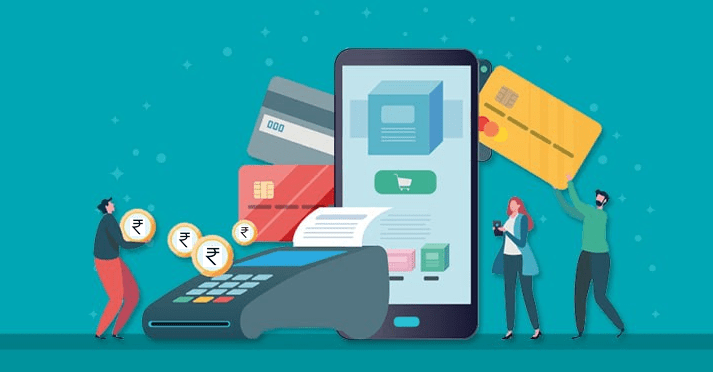
Table of Contents
You grab a morning coffee, tap a card, and walk out in seconds. On the bus, you don’t hunt for coins. At the supermarket, you scan, tap, and go. Digital payments are now part of daily life for many people, and they’re not just for big purchases.
In simple terms, digital payments mean paying without cash, using a card, a phone, or an online checkout. They change how spending feels, how fast it happens, and how easy it is to keep track.
Digital payments in daily life: what changed and why it matters
Cash used to set the pace. You had to plan a trip to the cash machine, carry notes, and keep enough change for small buys. Now, tap-to-pay and online payments fit into the gaps of the day. That speed matters when you’re buying lunch on a short break, topping up travel, or paying for a household bill.
Digital payments also make everyday money moves simpler. People pay in shops, order takeaway food, use public transport, set up subscriptions, and send money to friends or family, often in under a minute. The result is fewer “I’ll do it later” moments and fewer missed payments, but also fewer natural pauses to think.
From cash to tap: faster checkouts and fewer small frictions
Contactless cards and mobile wallets cut waiting and reduce the need to carry coins. Small purchases feel lighter when you don’t count out change. Even awkward moments get easier, like splitting a bill at a café or paying for parking without searching for a machine.
Online spending feels different: one-click buying and subscriptions
Saved cards and quick checkout shrink the time between wanting something and buying it. Recurring payments also grow in the background. “Set and forget” subscriptions, upgrades, and delivery fees can become the surprise line items you only notice when the total looks high.
How digital payments change spending behaviour (often without you noticing)
Cash has weight, it leaves your wallet and you see it go. Digital spending can feel like numbers moving quietly in the background. A quick tap doesn’t create the same moment of parting, so it’s easier to buy on impulse, add an extra item, or agree to a small add-on.
Payment options can also shape choices. Stored cards remove friction, and “buy now, pay later” style plans can make a higher price seem manageable. That doesn’t mean digital payments are bad, it means they’re powerful. A simple habit helps: pause before tapping, then check the basket total once more.
The “invisible money” effect: why we spend more with cards and phones
When you don’t hand over notes, the sense of loss is weaker. That softer feeling can nudge spending up, especially on treats and convenience buys.
Budgeting tools that come with digital payments
Digital payments often come with alerts and summaries. Notifications can show spending in real time, category views can flag patterns (takeaways, travel, daily coffees), and monthly round-ups make it easier to spot drift before it becomes a problem.
Safety, privacy, and common misunderstandings about going cashless
People often ask if digital payments are safe, or if they’ll lose control. Many payment methods include basic protections, like authentication steps, the option to freeze a card, and clear statements you can check any time. That visibility can be a comfort.
There are limits, though. Scams still happen, some shops request more data than you expect, and outages can stop payments for a while. Going cashless doesn’t mean worry-free, it means choosing good habits and keeping options open.
Digital payments are not risk-free, but cash has risks too
Cash can be lost, stolen, or counterfeited. Digital payments face phishing and card fraud. Keep a strong passcode, pay only on trusted sites, and treat unexpected payment requests as a warning sign.
Final
Digital payments have changed everyday spending by speeding it up and making it feel less tangible. They also make tracking easier, as long as you use alerts and read your summaries. Notice the patterns, not just the big buys. Keep a small back-up plan (a little cash or another payment method) and make digital spending a choice you control, not a habit that controls you.
Have any thoughts?
Share your reaction or leave a quick response — we’d love to hear what you think!
-
 0
0 - 0
- 0
- 0
- 0
- 0


