
 GistVibes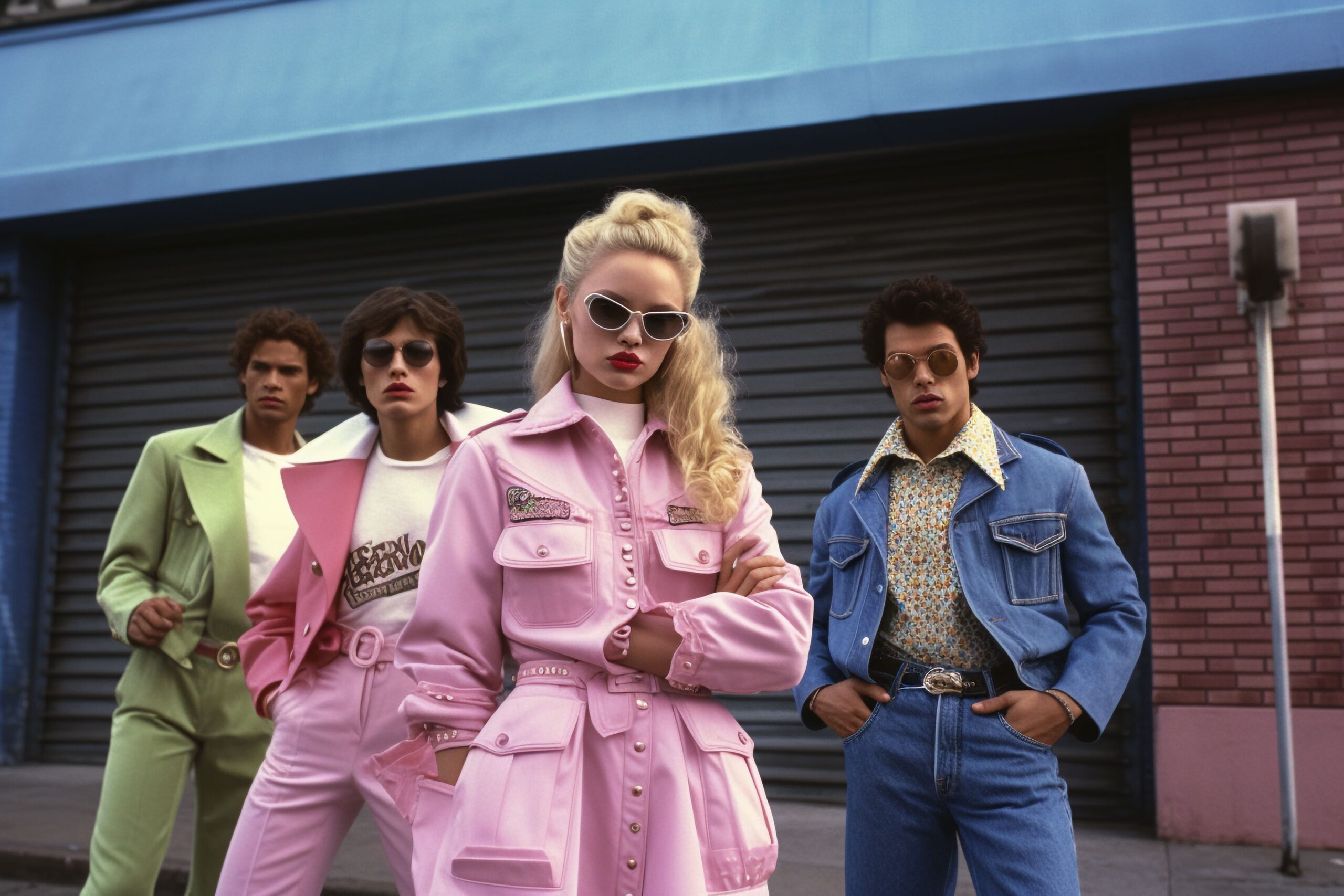
Table of Contents
Wide-leg jeans are back in daily rotation. Vintage band tees peek out under varsity jackets. Slip dresses show up with chunky trainers. It’s hard to walk down a high street, or scroll a feed, without seeing something borrowed from another decade.
But retro fashion trends aren’t only about looking “old-school”. They point to what today’s style culture wants most: a clearer sense of self, clothes that feel good, shared references, and a bit of comfort from the past.
Why retro fashion is everywhere again (and why it feels fresh)
Retro is familiar, but it doesn’t feel stale because people don’t wear it like a costume. They remix it. A 1990s leather jacket looks current over a plain hoodie. A 1970s knit polo works with modern straight-leg trousers. The fun is in the mix, not in perfect accuracy.
Thrifting and resale apps make this easy. You can find older denim with better weight, tees with real fade, and jackets with shape. Online shopping also speeds up the cycle, so a look can jump from niche to mainstream quickly. TikTok and Instagram add fuel, turning a single “saved” outfit into a weekend hunt for similar pieces.
Social media makes microtrends, but vintage makes them feel real
Outfit-of-the-day posts and mood boards push quick trends, but they can feel flat. One vintage item adds texture to the story. A single retro trainer, a cropped rugby shirt, or a 1980s blazer can signal a whole vibe in one glance. It’s a shortcut to character in a busy feed.
Sustainability and cost are part of the comeback
Secondhand shopping often costs less than new, and it can last longer. People also repair, swap, and re-wear more openly now. It’s not preachy, it’s practical. Keeping clothes in use feels like common sense when prices rise and quality can be hit-or-miss.
What retro trends reveal about identity, heritage, and self-expression
Dressing retro can read like a personal caption. Some people echo family photos, old gig posters, or a parent’s school style. Others pull from a time they never lived through, like trying on a film character’s confidence. Either way, the goal usually isn’t to copy one decade. It’s to build a look that feels owned.
A simple way to spot this shift is how people mix eras:
- Old silhouette, new basics: baggy jeans with a clean, fitted tee.
- Dressy then, casual now: slip dress with a hoodie and boots.
- One “time capsule” piece: a vintage jacket that anchors the outfit.
Nostalgia is emotional, not just aesthetic
Clothes can feel like a soft place to land. In uncertain times, familiar styles give a sense of order. And “the 90s” doesn’t mean one thing. For one person, it’s club culture, for another, it’s school uniforms, for another, it’s Saturday morning TV.
Heritage dressing and cultural pride (with respect)
Some retro looks connect to community history, as Caribbean carnival touches in streetwear, Chicano style references, or South Asian vintage textiles. Worn with care, these choices can show pride and continuity. The line is respect: avoid costumes, learn the context, and credit sources when a look comes from a living culture.
How different communities interpret retro style in 2026
Retro style isn’t one trend; it shifts by age, place, and subculture. A college crowd might read “vintage” as Y2K. A creative office might mean 1970s tailoring. A skate scene might stick with 1990s bagginess. Mainstream brands often copy niche looks, but context still matters, especially when a style has roots in a specific community.
Streetwear, workwear, and “dad” style as modern uniforms
Baggy denim, boxy tees, loafers, rugby shirts, and thrifted leather signal ease. They also signal taste without looking like you tried too hard. It’s low-key status, built on fit, fabric, and restraint.
Y2K and early-2000s revival as playful identity testing
Baby tees, cargo trousers, mini bags, shiny fabrics, and bold logos feel like dress-up with a wink. The point is testing versions of yourself, sometimes with irony, sometimes with real affection, often both.
Final
Retro fashion keeps returning because people want more than newness. They want clothes that carry stories, signal values, and help them find their people. When today’s style culture gets it right, it balances identity, heritage, and creativity, while staying honest about where ideas come from. Final: the best retro looks don’t just copy the past, they treat it with context and respect.
Have any thoughts?
Share your reaction or leave a quick response — we’d love to hear what you think!
-
 0
0 - 0
- 0
- 0
- 0
- 0


