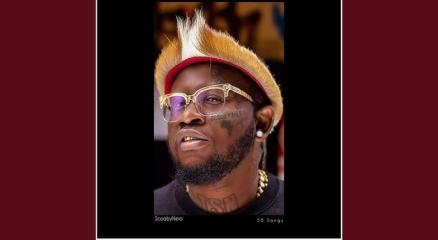
There is a heavy cloud of sadness around South African–Nigerian entertainer ScoobyNero, as he has announced the passing of his beloved mother. The musician and actor, known for his energetic personality and warm connection with fans, shared the heartbreaking news in an emotional message on his social media page. For many people who follow him, the news came as a sudden shock. ScoobyNero has always spoken openly about his deep bond with his mother, often describing her as the woman who shaped his courage, discipline, and belief in himself. Her passing has left him visibly heartbroken. In his tribute, he expressed how difficult it is to imagine life without the woman who stood beside him since the beginning of his journey. He thanked his supporters for the comfort and prayers they have offered, saying their messages mean more than they know. Friends, colleagues in the entertainment industry, and fans across Nigeria and South Africa have continued to send him strength, describing his mother as a calm, supportive woman who inspired him both personally and creatively. Many people shared their condolences, recalling how deeply he loved and respected her. This moment marks one of the most painful chapters in ScoobyNero’s life, and his fans are standing with him as he navigates this loss. While grief is a long road, many believe the memories and teachings of his mother will continue to guide him. Her legacy, according to him, lives on in every step he takes, every song he creates, and every dream he pursues.

Nollywood actress Regina Daniels has sparked a wave of reactions after opening up about her past drug use and the emotional challenges she has faced in her marriage to billionaire politician Ned Nwoko. The revelation came during a candid conversation where the actress spoke about personal mistakes, her struggle with mental health, and why walking away from her marriage isn’t as easy as many people think. Regina Daniels breaks her silence Regina, who became one of Nigeria’s most talked-about personalities after marrying Ned Nwoko, revealed that she once relied on prescription drugs to cope with pressure and emotional exhaustion. According to her, the constant attention, criticism, and expectations from both the film industry and the public pushed her into a dark place. She explained that during that period, she made poor choices and struggled to find peace within herself. “I was overwhelmed by everything — fame, pressure, opinions, expectations. I lost myself for a while,” she reportedly said. Why she can’t leave Ned Nwoko yet Despite growing rumours about separation, Regina made it clear that divorce is not something she’s ready for — at least not for now. She explained that her marriage is more complicated than most people assume, and that there are personal, legal, and emotional ties that make walking away difficult. “I’ve made mistakes, but my family means everything to me. People think I can just get up and leave, but life doesn’t work like that,” she shared. The actress added that while her marriage has faced serious challenges, she remains hopeful for healing and personal growth. Public reaction to her confession Regina’s honest admission has set social media ablaze, with fans and fellow celebrities showing mixed reactions. Some praised her for her courage to speak about her struggles openly, while others expressed shock at her revelation. Many fans have also used the moment to start a wider conversation about mental health, substance use, and the emotional pressure faced by celebrities in Nigeria’s entertainment industry. A call for empathy and awareness Mental health experts have urged Nigerians to approach Regina’s confession with empathy rather than judgment. They emphasized that celebrities often deal with enormous stress and public scrutiny, which can push them into harmful coping mechanisms. Several industry colleagues also posted messages of support, encouraging Regina to seek continuous professional help and to use her story to inspire others going through similar struggles. Conclusion Regina Daniels’ confession is more than just a trending story — it’s a reminder that fame comes with its own battles. Behind the glamour, many public figures quietly face personal storms that the world never sees.

Nigerian music is once again taking center stage on the global map as five of the country’s biggest stars — Burna Boy, Davido, Ayra Starr, Wizkid, and Omah Lay — have earned nominations for the 2026 Grammy Awards. The nominations highlight just how far Afrobeats has come, with Nigerian artists now sitting comfortably alongside the world’s biggest names in pop, rap, and global music. A big night for African music The Best African Music Performance category has turned into one of the most competitive and exciting sections of the Grammys. This year’s list includes: “Love” – Burna Boy “With You” – Davido featuring Omah Lay “Hope & Love” – Eddy Kenzo & Mehran Matin “Gimme Dat” – Ayra Starr featuring Wizkid “Push 2 Start” – Tyla Each of these songs reflects the diversity and richness of African sound — from Burna Boy’s signature fusion of afro-fusion rhythms to Ayra Starr’s confident energy and Davido’s emotional storytelling. How Nigeria continues to rule the global sound Over the past few years, Afrobeats has become one of the most streamed genres worldwide. What started from the streets of Lagos and Port Harcourt has now reached stadiums and award stages around the world. Burna Boy, who already owns a Grammy for Twice As Tall, continues to push African sound with his latest album No Sign of Weakness, which also earned a Best Global Music Album nomination. Davido, still riding high after his Timeless era, is back in the spotlight with his heartfelt collaboration With You, showcasing his growth as an artist. Wizkid, already a global icon, lands another nod through Gimme Dat — a smooth and melodic collaboration with Ayra Starr. Ayra Starr, often called the “Sabi Girl” of Afrobeats, proves she’s not slowing down as she scores her second Grammy nomination after last year’s breakout success. Omah Lay, one of Nigeria’s most introspective voices, finally earns his long-awaited recognition with his feature on With You. This line up proves that Nigerian music is no longer emerging — it’s leading. Global impact beyond Africa Afrobeats’ dominance at the Grammys also signals a deeper shift in global music culture. From dance floors in London to festivals in New York and Cape Town, the sound of Africa has become a symbol of joy, pride, and unity. Music critics note that these nominations are not only about artistry, but also about representation — proof that African creators are shaping what the world listens to. Fans celebrate across Nigeria and beyond Social media has been on fire since the nominations dropped. Fans flooded X (formerly Twitter) and Instagram with congratulatory messages, dancing videos, and emotional posts celebrating the stars who continue to fly Nigeria’s flag high. One fan wrote, “This is the golden era of Afrobeats. We’re living in history.” Another said, “Wizkid, Davido, Burna, Ayra, Omah Lay — we won already!” Looking ahead The 2026 Grammy Awards ceremony will take place early next year in Los Angeles. Whether or not these Nigerian stars win, their presence alone has made history. This year’s nominations confirm what the world already knows — that African music, led by Nigeria, has found its voice, its audience, and its place among the greatest sounds on earth.

Famous Nigerian entertainer and social media influencer Tunde Ednut, who now goes by “Mazi of Africa” on Twitter, has sparked joy across the internet after announcing a huge cash giveaway to celebrate football star Victor Osimhen’s impressive performance. The announcement instantly became a trending topic, drawing excitement and admiration from thousands of fans. A Celebration Turned into Generosity In a post filled with energy and national pride, Tunde Ednut expressed his excitement over Victor Osimhen’s recent goals and announced that he would be giving out fifteen million naira to his followers. He urged fans to drop their account details, promising to credit randomly selected people as part of the celebration. Alongside the message, he shared a striking photo of Osimhen in an emotional goal celebration moment — a perfect symbol of passion, victory, and pride. Within minutes, the post caught fire online, with fans flooding his comments section, creating one of the most vibrant conversations on Nigerian social media that day. Fans React with Joy and Gratitude The reactions were overwhelming. Many fans praised Tunde Ednut for his generosity and love for both his followers and Nigerian football. Some users thanked him publicly for always finding creative ways to celebrate success stories, while others simply joined in the fun by dropping their account details, hoping to be among the lucky winners. The atmosphere was filled with laughter, anticipation, and appreciation — a perfect reflection of how social media can unite people around shared happiness and pride. Victor Osimhen’s Inspiration to a Nation Victor Osimhen’s achievements continue to make Nigerians proud. From his humble beginnings to becoming one of Africa’s most successful footballers, his story represents hard work, faith, and determination. By celebrating him publicly, Tunde Ednut once again highlighted the positive impact of sports in society — how the success of one person can bring joy to millions. His gesture wasn’t just about the giveaway, but about showing support and appreciation for a fellow Nigerian making waves on the global stage. Why This Giveaway Stands Out What makes this moment special is the genuine connection between celebration, kindness, and community. Tunde Ednut has built a reputation for engaging with fans and spreading good energy online, and this latest act of generosity only reinforces that image. It reminds everyone that beyond fame and followers, influence can be used to create joy, reward loyalty, and uplift people — even through simple acts of giving. Conclusion Tunde Ednut’s decision to celebrate Victor Osimhen’s success by gifting his followers is a beautiful reminder of how joy can be shared in different ways. His gesture turned a moment of sporting pride into one of community connection and goodwill. For readers of GistVibes, this story represents more than just a giveaway — it’s about appreciation, national pride, and using influence to inspire positivity in a world that truly needs it.

Veteran American rapper RBX has filed a class-action lawsuit against Spotify, accusing the music platform of allowing fake streams that unfairly hurt real artists. RBX, whose real name is Eric Dwayne Collins, says Spotify failed to control bots and fake accounts that repeatedly play songs to boost stream numbers. He believes this practice makes it harder for honest musicians to earn a fair income from their real fans. RBX’s Claim Against Spotify In the lawsuit, RBX claims Spotify’s payment system is unfair and misleading because it rewards inflated play counts. He says the company’s failure to stop fake activity has created an uneven playing field where smaller artists lose money. “Artists work hard to make music that connects with people, but fake streams make that effort worthless,” RBX said through his legal team. The lawsuit argues that Spotify’s system allows bots to run up streams for certain artists, distorting popularity rankings and reducing payments to genuine creators. Spotify, however, has denied doing anything wrong and insists it has anti-fraud systems in place to detect and remove fake plays. Why Fake Streams Are a Problem Fake streams happen when bots or fake accounts are used to play songs thousands of times automatically. These fake numbers: Push songs higher on charts and playlists. Make it look like some artists are more popular than they really are. Reduce royalties for smaller artists who earn less because total plays are shared among everyone. RBX’s lawyers say this practice is damaging to creativity and to musicians who rely on authentic support from real fans. Why The Lawsuit Matters This case could lead to a major shake-up in the music industry. If the court rules in RBX’s favor, Spotify might be forced to: Pay compensation to affected artists. Change how it counts streams and pays royalties. Tighten its anti-fraud systems to stop bots. For the first time, independent musicians might gain clearer insight into how their streaming income is calculated. What Spotify Says Spotify responded by saying it takes streaming fraud very seriously and continuously invests in technology to identify and remove fake activity. The company insists it does not profit from fake streams and that most fraudulent plays are detected automatically before artists are paid. Still, many in the music world believe the platform needs to be more transparent about how it verifies streams and pays creators. What It Means For Artists And Fans For artists, this lawsuit shines a light on an ongoing issue — the struggle to make fair earnings in the digital age. For fans, it’s a reminder that real support matters. Every genuine stream, share, or purchase helps keep music authentic and alive. RBX says his goal is not just personal justice but fairness for all musicians, big or small. Conclusion The lawsuit by RBX against Spotify could mark a turning point for the global music industry. It questions how streaming data is handled and whether platforms are doing enough to protect real artists from being cheated by bots. No matter how it ends, this case could push streaming services toward a fairer and more transparent system — one that truly rewards talent and honesty. Stay with GistVibes for updates as the case develops.

After days of silence and online drama, rapper Drake has finally responded to Gracie Bon’s claim that he blackmailed her after their short romance. In a calm but firm message shared through his representative, Drake said the accusation was “completely false and deeply hurtful.” He also mentioned that he was shocked by how fast the story spread online without verification. “I’ve always respected women, and I’ve never blackmailed anyone,” the rapper reportedly said. “It’s disappointing that people will believe lies so easily just because they sound dramatic.” Drake’s statement came after fans flooded social media demanding his side of the story, as Gracie’s initial accusation had gone viral within hours. What Drake Said About Their Relationship Drake admitted that he and Gracie Bon had “a brief and private connection” but said it ended on mutual terms. According to him, there was no drama, no threats, and no blackmail. He emphasized that he keeps his personal relationships private and doesn’t like to involve the media. The rapper claimed that the entire situation has been twisted to gain attention and that he would rather stay focused on his music and career. “People can say what they want, but the truth will always be clear to those who know me,” he added. Social Media Reactions Drake’s response immediately stirred another wave of mixed reactions online. Some fans supported him, saying Gracie Bon might have blown things out of proportion. Others felt his statement was too calm and wanted more details from him. On X (formerly Twitter) and Instagram, users debated who was telling the truth. While some believed Drake’s long-standing reputation as a private person supports his claim, others argued that he has faced similar controversies before. A few celebrities and influencers also weighed in, urging both sides to handle the matter privately and stop feeding the public drama. Gracie Bon’s Reaction to His Statement Shortly after Drake’s response, Gracie Bon posted a message on her Instagram story that read: “You can deny it all you want, but I know my truth.” Though she didn’t mention his name directly, fans quickly linked the post to Drake’s recent statement. She hasn’t made any further comments since then, but followers believe this might not be the end of their back-and-forth. What This Means for Drake For Drake, this controversy adds to the list of public challenges he has faced over the years involving relationships and fame. Still, many of his fans are confident it won’t affect his music or brand in the long run. The rapper has hinted that he plans to focus on his upcoming projects rather than get stuck in online debates. Insiders say he’s more interested in clearing his name through his work than through arguments on social media. The Bigger Lesson This issue between Drake and Gracie Bon once again highlights how personal relationships can easily become public scandals in today’s celebrity world. It also shows how fast social media can spread accusations, true or not. For now, the world is watching to see if either side will release more evidence or if the story will slowly fade away.

Model and social media personality Gracie Bon has accused popular rapper Drake of trying to blackmail her after what she described as a “short and confusing” romantic connection. According to Gracie, what started as a friendly relationship quickly turned sour when private issues began to surface. She said she was surprised at how fast things changed between them, and claimed Drake’s behaviour made her feel controlled and manipulated. In a now-viral interview clip circulating online, Gracie revealed that she regrets ever getting involved with the rapper, describing the situation as “emotionally draining.” Gracie Bon’s Side of the Story Gracie explained that her relationship with Drake was never meant to be serious, but it quickly became complicated. She said the rapper allegedly used private information and messages to “keep control” over her after their fallout. “It wasn’t love, it was power. He wanted control, not connection,” she reportedly said during the discussion. She also claimed that the rapper made subtle threats to leak certain private details if she decided to speak up about their relationship. Gracie told her fans she decided to speak publicly not for attention but for peace of mind. “Sometimes silence makes people believe lies. I just want to move on,” she said. Fans React Online Fans on social media have been reacting strongly to Gracie’s statements. Some believe her, saying Drake has been linked to several relationship dramas in the past. Others feel she might be exaggerating to gain publicity, given the rapper’s global fame. Many followers have also raised questions about privacy, power, and the way celebrities handle personal relationships in the public eye. Some users online praised Gracie for being brave enough to speak, while others advised both sides to settle their issues privately instead of creating a public scene. Drake’s Camp Yet to Respond As of now, Drake has not made any public statement about the accusation. His team has also stayed quiet, refusing to confirm or deny the claims. This silence has caused even more attention on social media, as fans wait to see if the rapper will respond or ignore the situation entirely. Industry insiders believe that if the claims gain more traction, Drake might eventually address them in a future interview or even through his music. The Bigger Picture This incident once again shows how easily private relationships between celebrities can turn into public drama. It also raises awareness about emotional control, manipulation, and how fame can make such issues worse. Gracie Bon ended her statement by saying she wants to focus on healing and moving forward. She thanked her fans for their support and promised to stay positive despite the backlash.

Nigerian Afrobeats superstar Davido has officially been appointed as the Chairman of the Osun State Sports Trust Fund, a move announced by the government of Osun State on October 27, 2025. The appointment is part of a broader strategy by the state to capitalise on Davido’s global reach, youth appeal and brand influence to stimulate sports development and youth engagement within the state and beyond. Davido’s Background & Career Trajectory Davido rose to prominence in the early 2010s with hits such as “Dami Duro” and “Fall,” and has since become one of Africa’s most influential musical figures. His label, DMW, has nurtured several Afrobeats stars, and his collaborations span global markets. Over the years, Davido has diversified into brand endorsements, real estate investments and philanthropic work, making him both an entertainment and business heavyweight. Details of the Appointment The state government of Osun cited Davido’s “exceptional influence in youth culture, sports and entertainment” as the rationale for the appointment. As chairman of the Sports Trust Fund, his responsibilities include: Elevating youth sports programmes — football, athletics, e-sports — across Osun State. Partnering with private sector and international sponsors to raise funds for training, equipment and infrastructure. Serving as the public face of the fund, leveraging his brand for visibility, and helping attract investment in sports tourism. Monitoring the allocation of the fund’s resources to ensure transparency, efficiency and measurable outcomes in sports development. Why It Matters Cross-sector influence: The appointment signals a merging of entertainment, sports and governance. A musician taking a formal public leadership role in a state fund underscores how celebrities now move beyond artistry into institutional influence. Youth engagement & sports development: With youth unemployment and social disengagement high in many Nigerian states, leveraging a popular figure like Davido may help drive participation in sports and reduce idle time among young people. Brand building for Davido: This role could significantly boost Davido’s personal brand beyond music — positioning him as a public leader, youth advocate and influencer in policy and development spheres. State strategy & soft power: Osun State benefits by tying its youth-sports ambition to a global celebrity — potentially attracting national media attention, sponsorship deals and tourism interest. Potential Challenges & Things to Watch Expectations vs delivery: With high visibility comes high expectations. The public will expect tangible improvements in sports infrastructure, athlete performance and youth outcomes — not just photo-ops. Resource mobilisation & accountability: Raising funds is one thing; managing and deploying them effectively is another. Oversight mechanisms will matter. Balance with music career: Davido will need to manage his music commitments alongside public duties. Critics may question his availability or effectiveness. Political optics: Celebrity appointments can raise questions about merit, neutrality and political alignment. Davido will need to maintain credibility to avoid being seen purely as a token figurehead. What’s Next for Davido & Osun State Official launch event: The Sports Trust Fund will likely hold a public roll-out event to introduce its roadmap, key partners and flagship programmes tied to Davido’s chairmanship. Infrastructure announcements: Expect announcements of new sports facilities, youth leagues in Osun, and talent-identification initiatives in the coming weeks. Brand partnerships: With Davido’s network, it’s likely private brands — sportswear, tech, telecoms — will partner with the fund for co-branded youth sports campaigns. Music & sport crossover: Davido may incorporate sports themes into his music tours or campaigns, merging his musical influence with his new sports role. Bigger Picture: Celebrity Governance in Nigeria This appointment reflects a growing trend: Nigerian states and governments tapping entertainment and creative-industry figures to lead public initiatives — particularly those targeting youth, culture and digital engagement. It also prompts questions about how celebrity influence can be harnessed for governance, and what safeguards are needed to ensure accountability and impact. Conclusion Davido’s appointment as chairman of the Osun State Sports Trust Fund is a notable milestone — both for his career and for the evolving role of entertainers in Nigeria’s public sphere. If leveraged well, it could deliver real gains in youth engagement, sports development and state branding. But success will depend on implementation, transparency and sustained commitment — from Davido, from the fund and from the state government.

Nigerian actor and humanitarian Williams Uchemba has ignited a major public conversation after calling for the public execution of convicted kidnappers in Nigeria. The statement, made on October 24, 2025, in an Instagram video post, has stirred responses across social media, civil-society groups, legal experts and fans of his work. Background: Who is Williams Uchemba Williams Uchemba began his media career as a child actor in Nigeria and has grown into a well-known Nollywood actor, social-media personality and humanitarian. He is known for both his cinematic roles and his advocacy work—especially around youth empowerment, health issues and community development. Over the years he has leveraged his film fame into humanitarian support, partnering with NGOs and raising awareness on issues such as poverty and education. The Statement and Its Content In the video post that circulated widely, Uchemba said the following: “When you catch a child stealing his mother’s pot and you don’t punish him, you’re breeding a hardened criminal. For kidnappers, the law of this land says death. So why do we water it down? We need public execution for those who kidnap, so we deter others.” He added that Nigeria’s constitution provides for the death penalty for kidnapping, but that enforcement is weak and public discourse silent. He even recommended a dedicated broadcast channel to show convicted kidnappers being publicly executed—thus turning accountability into a visible deterrent. Why This Message Resonated Rising Insecurity Kidnapping remains a serious security crisis in Nigeria, with cases proliferating in many states and across all demographics. The timing of Uchemba’s statement taps into public frustration with government response, the perceived culture of impunity, and the fear many Nigerians feel ahead of the yuletide season. Celebrity Voice & Responsibility When a high-profile figure like Williams Uchemba speaks, the message gets amplified. His status as actor + humanitarian gives him a platform that many citizens trust. His strong wording—calling for the death penalty in public form—is likely to stir debate about celebrity activism vs legal process. Legal & Human Rights Implications Uchemba’s call for public executions raises important legal questions: How does this align with Nigeria’s human rights obligations under international law? Is public execution consistent with Nigeria’s practice and jurisprudence? Could such a demand threaten due-process rights or fuel vigilante justice? Social Media and Public Reaction Since the video posted: The clip has been widely shared on Instagram, TikTok and Twitter/X, garnering hundreds of thousands of views in less than 24 hours. Fans have responded: some praised Uchemba for speaking boldly, others criticised the extremity of his position. Civil-society groups working on justice reform have weighed in, some cautioning that while frustration is understandable, calls for extra-judicial metrics are dangerous. Uchemba’s Broader Work & Career Implications For Uchemba personally, this moment may shift his public image in several ways: He could be seen more strongly as a social-justice advocate rather than just actor. Brands or media houses may align or distance themselves depending on their stance on public ethics and social issues. His humanitarian programmes might gain more visibility or scrutiny because his advocacy is intensifying. What’s At Stake for Nigeria’s Dialogue This statement may spark more public debate about punishment vs rehabilitation, especially for kidnapping and organised crime. It may influence policy discussions in state legislatures about how to handle kidnappers, sentencing reforms, stricter laws and enforcement. The celebrity’s voice could galvanise youth activism around insecurity—but may also polarise views if perceived as supporting harsh measures without due process. What To Watch Will Uchemba clarify or retract his statement, or will he double down? A follow-up interview may set direction. How government or law enforcement agencies respond: any mention of his remarks in official statements? What civil-society and legal rights groups will say about the message, especially around public executions and due-process concerns. Whether this advocacy leads Uchemba into more activism roles, partnerships with security-oriented NGOs, or even political commentary. Brand/endorsement impacts: whether brands support or distance following strong statements on public justice and crime. Conclusion When Williams Uchemba called for public execution of kidnappers, he was tapping deeply into Nigerians’ frustration with insecurity and weak enforcement. But the proposal itself pushes into legally and ethically fraught territory—and speaks to how celebrity voices now influence national debates around crime, justice and policy. As Nigeria watches how its security-landscape evolves, this moment reminds us that celebrities aren’t just entertainers—they can become loud voices in public governance, for better or worse.

South Africa’s internationally-renowned model and actress Zozibini Tunzi officially tied the knot with partner Luthando Bolowana in a private ceremony held on March 22, 2025, at the Belair Pavilion in Cape Town — an event that has since drawn global attention due to the bespoke nature of her bridal attire and the icon status of the bride. Early Life & Rise to Fame Zozibini Tunzi first rose to prominence after being crowned Miss Universe in 2019, making waves for her natural hair, bold advocacy for racial equality, and the defiant message she carried about African beauty standards. Moving into modelling, acting and brand ambassadorship, she built a reputation as one of Africa’s most influential celebrities. Over time she diversified into film, television and activism. The Wedding Details The ceremony was intimate but high-profile: Venue: Belair Pavilion, Cape Town – noted for luxurious events and high-end trappings. Gown: A custom design created by Vietnamese designer Phan Huy, the dress reportedly took over 700 hours and three months to craft. The off-shoulder, semi-sheer gown featured beaded floral branches in three-D, and required Zozibini to undergo remote fittings due to her tight schedule. Guests & Style: The wedding video and photos, shared on her Instagram account following the event, showed a curated guest list of A-list African entertainers, models and international friends. Zozibini posted five photos with the caption “Forever begins now”, and her 2.8 million+ followers responded with congratulatory messages from around the world. Why the Wedding Matters This wasn’t just a wedding — it was a cultural moment: For South Africa: Zozibini remains a symbol of modern South African identity — bridging tradition, global fashion and empowerment. Her wedding highlights how African celebrities curate global-level events with local roots. For modelling & entertainment: Her transition from pageants to acting, modelling and now marriage offers a career arc that many young women in Africa look to. For fashion & luxury: The bespoke nature of the gown, the international designer collaboration and luxury venue reflect how African celebrity weddings are becoming global cultural assets, not just local celebrations. For representation: Zozibini’s natural hair, strong confidence and social advocacy were visible in her bridal look — affirming that African beauty and celebrity can hold luxury status without compromise. Reactions & Response On Instagram and X (formerly Twitter), fans flooded her page with messages like: “Queen of our hearts!”, “African royalty!”, and “The 700-hour gown is iconic”. Fashion commentators praised the dress as a masterpiece, with one noting: “It’s a labour of love and craft – 700 hours shows commitment, artistry and showmanship.” Industry insiders noted the wedding as another example of how African celebrities generate global PR moments that transcend their films or music. Some critics asked about the cost and sustainability of such luxury events in Africa’s inequality context; Zozibini’s publicist responded that she had also made charitable contributions to local youth empowerment programmes as part of her wedding announcement. What’s Next for Zozibini Tunzi Film and Television: Zozibini is reported to have upcoming acting roles in both South African and Nigerian productions, signalling her cross-continental appeal. Brand Engagements: Expect increased luxury brand partnerships, especially in fashion, beauty and wellness — her union and wedding visuals position her as a global lifestyle figure. Advocacy and Philanthropy: She has previously run campaigns on self-esteem, gender equality and African representation; post-wedding, she is expected to amplify her foundation’s work, likely leveraging her marriage as personal equity. Public Appearances: Bridal launch events, media interviews and magazine covers are likely in the coming months, turning the wedding into a multi-stage media lifecycle. Broader Trend: Weddings as Cultural Exports Zozibini’s wedding is part of a growing trend: African celebrity weddings becoming global cultural exports. Weddings generate major social media engagement, influencer opportunities and cross-industry buzz in Africa and the diaspora. The spend, location, designer, guest list and media rollout all become part of the celebrity’s brand-story. For African economies: Hosting high-profile weddings brings hotel bookings, luxury services demand and international attention — a soft-economy benefit. For the entertainment sector: These weddings often feed into content pipelines — bridal photoshoots, partner brand collaborations, documentary short-films and fashion spreads. Potential Risks & Considerations Maintaining authenticity: With high luxury visibility comes pressure to stay relatable to core African audiences. Managing brand expectations: As Zozibini’s brand climbs global levels, she must balance commercial opportunities with values and personal identity. Privacy vs publicity: Wedding visibility invites more media scrutiny, which may affect her personal life and advocacy focus. Conclusion Zozibini Tunzi’s marriage marks a major milestone not only for her personally, but for how African celebrity and culture are evolving. The union blends glamor, craft, heritage and global aspiration — positioning her as one of Africa’s most influential modern icons. As her career accelerates, the wedding will likely become a defining chapter in her brand-story, and a reference-point for future African stars navigating fame, identity and growth.
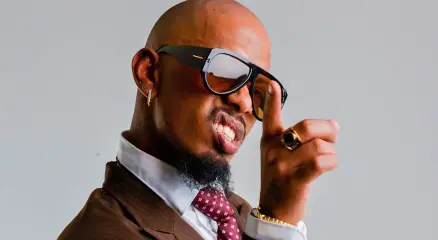
In the world of global music and dance, some names are familiar to millions, but just beneath-the-surface are artists whose work quietly fuels those global moments. One such figure is Lee‑ché Janecke — a South African choreographer whose career is moving from local stages in South Africa to a targeted international breakout. His recent journey with chart-topping star Tyla and his ambitions beyond are reshaping how African dance styles are exported, credited and monetised. Early career and rise Janecke began his creative journey in Cape Town and Johannesburg, co-founding the vogueing and dance crew V.I.N.T.A.G.E., an important step into the male-led voguing scene in South Africa. He transitioned from community theatre and street showcases into major music-video choreography, particularly in the amapiano and electronic-dance spheres. His collaboration with Tyla on the viral hit “Water” and subsequent global appearances (including festivals such as Coachella and MTV VMAs) elevated his profile beyond South Africa’s borders. The viral moment His choreography became widely recognised when the “Water” dance challenge swept across social-media platforms, fuelled by Tyla’s music. That moment was not just a single viral clip — it symbolised a cultural shift, where South African floor-moves, gqom/street vogue elements and performance aesthetics became internationally visible. Janecke sees that as the launchpad for a bigger ambition: > “My African dream got a dance done by the whole world,” he told interviewers. Current ambitions and global plans Now, Janecke’s sights are set even higher. He has expressed a desire to work with global icons such as Beyoncé and Dua Lipa, explore K-pop choreography markets, and expand into musical theatre and advertising. He also emphasises maintaining his South African identity while scaling internationally: “I remain South African to my core,” he says, “yet I’m building for the world.” Impacts-on-industry and cultural significance Janecke’s trajectory matters on several levels: It helps give African choreographers global visibility and pathways to major international credits, which historically have been dominated by Western names. It fosters a wave of dance export from South Africa, where genres like amapiano and local street-dance forms gain global traction, influencing music videos, fashion shows and brand campaigns. It shifts the narrative: African creatives are not just front-stage stars but behind-the-scene powerhouses whose labour and creativity shape global culture. Challenges and strategic moves Even as his ambition grows, Janecke faces obstacles: Global markets are competitive and credentials matter — transitioning from local success to high-budget global productions requires agency representation, networking, and landmark credits. South Africa’s infrastructure for large-scale performance productions still lags behind global hubs, meaning he may need to partner abroad or relocate portions of his practice. Maintaining creative authenticity while meeting international demands is a delicate balance — staying true to South African aesthetic roots yet meeting global commercial standards. What’s next In the next 12 months, Janecke plans to: Secure representation in the U.S. or Europe to access global choreographic markets. Lead a major dance workshop tour in South Africa that will train the next generation of choreographers and dancers. Announce a brand partnership or campaign that features his choreography prominently (rumours point to luxury fashion collaborations). Possibly appear (credited) on a major international artist video or tour — which would mark a breakthrough as a globally recognised African choreographer. Why-it-matters His story tells us something about how African creative labour is evolving: the focus extends beyond the performers to the creators behind them. In dance, film, music and fashion, African talent is stepping into global backstage roles. For audiences, this means deeper recognition of the full value-chain of culture.

At just 23 years old, South African singer-songwriter Tyla is emerging as one of the most talked-about musical voices from Africa. In a recent feature, she discussed her meteoric rise — from performing in local township venues to capturing global streaming records, major festival slots, and a forthcoming world tour. Early Life & Background Tyla grew up in South Africa within the “Coloured” community (a distinct cultural identity in South African context). She moved into music at a young age, drawing on local genres like amapiano and gqom, blending them with pop sensibilities. Her breakout single, “Water,” won a Grammy for Best African Music Performance. Breakthrough Moment Her EP titled We Wanna Party (WWP) — released in 2025 — topped UK Afrobeats charts and reached more than 100 million streams on Spotify. The lead single “Is It” achieved about 1.3 million streams in its first day. She also performed at major festivals like Coachella and London’s All Points East. Career Implications Tyla’s success marks a significant shift: African-born pop artists are no longer niche but mainstream global acts. For Nigerian, South African and wider African musicians, her model shows how to leverage domestic genres into global formats. For her personally, signing a world tour deal and global streaming breakthrough means higher earning potential, brand partnerships, fashion collaborations and a chance to shape the cultural narrative from Africa. Cultural Identity & Challenges In her interview she also opened up about identity: as a “Coloured” person in the South African context she faces cultural misunderstandings abroad, especially in the U.S., where that term has very different connotations. She blends her heritage with global fashion and music. What’s Next She is preparing her second studio album and a global tour that will include Asia among stop-overs. Collaborations with stars like Cardi B, Jill Scott, Damiano David and others were already teased. Why This Matters It signals that African pop stars can transcend regional fame and become genuinely global figures. It highlights how local genres (amapiano, gqom) are being exported and recontextualized for global audiences. For the African entertainment industry it provides a blueprint: local authenticity + global platform = major growth. Underlying issues such as cultural identity, representation and international dynamics are at play. Key Metrics & Milestones EP WWP hit 100 million (plus) streams on Spotify. Lead single “Is It” recorded ~1.3 million streams in day one. Grammy award (previous year) for “Water.” Global festival appearances, major label backing, world tour announced. Challenges Ahead Sustaining growth: breaking out is one thing, staying at the top is another. Managing global expectations while retaining local roots. Dealing with potential backlash or misinterpretation of identity abroad. Ensuring that the commercial success meshes with artistic growth, not just gimmicks. Summary Tyla’s journey reflects a turning point in African pop culture: from local acclaim to global dominance. With streaming records, a world tour, and major collaborations lined up, she is not only chasing stardom but shaping what African music looks like on the world stage. Her story is also resonant — a young, creative African woman navigating identity, fame and artistry across continents.

Nigerian striker Victor Osimhen lit up the Champions League with a landmark performance as his club secured a decisive victory. For fans of GistVibes, this moment adds another chapter to his growing legacy in European football. The Big Match Moment Playing away in a tough setting, Osimhen stepped up when it mattered most. His brace from the penalty spot, combined with a commanding header, helped his club dominate the match and send a strong message to Europe’s elite. His ability to calm nerves and deliver in high-pressure games stood out on show. Records Broken and Milestones Achieved With today’s showing, Osimhen climbed to the top of several record charts. He tied — and in some cases exceeded — previous Nigerian greats in European competitions. His consistency in scoring on the biggest stages shows a level of hunger and professionalism few reach. Impact Beyond One Game This isn’t just about one match. Osimhen’s form now speaks about a player who belongs at the very top. For his national team and for every young striker looking up to him, his achievements offer belief that true star talent can make a global impact. For GistVibes readers, it’s a reminder that excellence is built over time, game by game. Looking Ahead While tonight’s win is a milestone, the real test comes in staying consistent. As more high-stakes matches arrive, the focus will shift to how Osimhen and his club carry this momentum forward. His next steps will matter for his legacy — and for all those cheering him on from home. Conclusion Victor Osimhen’s historic night adds to his reputation, and for GistVibes readers, it’s a proud moment for Nigerian football. He demonstrated talent, character and timing — a combination that builds legends, not just players.
A Story of Humility, Strength, and Generational Impact: In the heart of Esanland, in a peaceful community called Ewossa, lived a man whose story continues to echo through generations — Michael Odigie. Born in 1952, Michael came into the humble yet dignified household of the Odigie family, known for their honesty, hard work, and respect within the Ewossa community. Michael was the first son, but not the eldest child. His parents were blessed with six children in total — four daughters and two sons. The last child of his mother was also a boy, making the two men the pillars of their mother’s lineage. Their beloved mother, fondly known as Nene, became a name of pride and affection, as even the grandchildren today are lovingly referred to as “Nene’s children.” Early Life and Upbringing: Life in Ewossa, like in most parts of Esanland during the 1940s and 1950s, was defined by strong family bonds and communal support. At a young age, Michael was given to a related family — the Aibegbe family — to be raised and nurtured. This was a common Esan tradition, where children were entrusted to close kin to strengthen family ties and help them learn responsibility. Michael grew up in the Aibegbe household, learning discipline, humility, and the value of hard work. He became a dependable young man who embraced every task with quiet determination. Under the guidance of his foster family, he learned the dignity of labour and the importance of service to others. Becoming a Man of the Land: Following the path of many Esan men of his generation, Michael became a farmer. He tilled the land, cultivated crops, and contributed to the food and livelihood of his people. But Michael’s story did not end in the farmlands — he was driven by curiosity and the desire to master new skills. He soon learned the Timberjack trade, becoming an expert in cutting and processing timber with the motor saw, a respected and demanding craft in Esanland at the time. Through this work, he travelled far and wide — across Ewohimi, Ekpon, Ebelle, Ewossa, Ugun, Amahor, Amahor Waterside, Ogwa, Ugbegun, Ujiogba, Ijieghudu, and even to parts of Benin such as Ehor and its surrounding areas. His reputation grew beyond Ewossa. People across Esanland knew Michael Odigie as a man of strength, humility, and unmatched work ethic. He was never one to boast, but everyone who met him respected his simplicity and generosity. Family Life and Marriage: As life blossomed, Michael found love. He married Mrs. Caro Odigie, his first wife and lifelong companion. Together, they were blessed with six wonderful children — Faith Odigie, Moses Odigie, Earnest Odigie, Otibhor Odigie, Patience Odigie, and Akhere Odigie. Caro was a strong and caring woman, remembered for her kindness and dedication to her family. Though she has since passed away, her legacy remains alive through the children she bore and the countless lives she touched. The Odigie family continues to honor her memory, saying “May her gentle soul rest in perfect peace.” Michael Also had another wife named Doris Odigie, which is his second wife, a woman from the Ehigiator family of Eguare, Ebelle, another noble Esan lineage. Their union was blessed with seven children — Obiyon Odigie, Imhona Odigie, Iyobor Odigie, Odion Odigie, Akhere Odigie, Ofona Odigie, and Osamudiamhen Odigie. Together, they built a loving home rooted in discipline, humility, and family unity. His children have since grown and are now scattered across various parts of Nigeria and beyond, carrying his name and values with pride. A Man of Strength and Humility: Those who knew Michael Odigie remember him as a man of timber and calibre — strong, humble, and deeply respected. He was simple in speech, gentle in heart, and firm in his principles. He believed in fairness, respect for elders, and service to the community. In Idumu-Ogo Quarter of Ewossa, he was widely regarded as one of the village’s most reliable and hardworking men. He helped not only his family, but also neighbours and friends, offering guidance and support whenever he could. Final Days and Everlasting Legacy: On October 6, 2010, Michael Odigie passed away, leaving behind a family deeply proud of his legacy. He was laid to rest on October 30, 2010, in his hometown of Ewossa, surrounded by his children, relatives, and well-wishers. The burial ceremony was not just a farewell — it was a celebration of a life well-lived, of a man who built his story from the soil of Esanland and left a name that time cannot erase. Today, many years after his passing, his children and grandchildren continue to honor him. His name still lives on through the generations — a reminder of love, unity, strength, and humility. Every child of the Odigie family proudly carries his name and tells his story to those who never met him — a story that began in Ewossa, and will live forever in the hearts of his people. ✍️ Written By: Imhona Michael Odigie An indigene of Ewossa, Idumu-Ogo Quarter, Esanland. Dedicated to the memory of Michael Odigie (1952–2010) — “The tree may fall, but its roots will forever hold the earth.”
INTRODUCTION Among the ancient tribes that shaped Nigeria’s cultural identity, few can rival the Esan people of Edo State — a community known for discipline, intellectualism, rich culture, and deep spiritual heritage. The Esan Tribe, sometimes mispronounced as Ishan by early Europeans, represents one of the strongest pillars of the old Edo civilization. From the sacred forests of Ewossa, Ekpon, Irrua, Ewohimi, Uromi, and Ekpoma to the bustling towns of Ubiaja, Igueben, and Oria, the Esan land (Esanland) tells a powerful story — of migration, freedom, resistance, and pride. But to truly understand Esan history, one must trace the roots back to the heart of the ancient Benin Empire, and how that empire’s internal conflicts gave birth to new independent Edo-speaking nations. 🏰 THE ORIGINS — ESCAPE FROM TYRANNY Historical accounts and oral traditions agree that the Esan people originated from migrant Edo (Benin) settlers who fled the old Benin Kingdom around the 15th century. During that time, some Obas (Benin kings) became increasingly authoritarian, imposing heavy labor, military conscription, and excessive tributes. The harsh conditions forced many families, warriors, hunters, and priests to flee eastward into the forests seeking peace and autonomy. These migrants established new communities in the highlands — the present-day Esanland. The word “Esan” itself evolved from the Benin term “E san fian”, meaning “They have fled.” But this was no act of cowardice — it was an act of defiance and courage, the birth of a free people determined to live by their own laws. ⚖️ THE STRUCTURE OF ESAN SOCIETY The Esan people built an organized and democratic system. Each settlement became a kingdom led by an Onojie (King), supported by councils of elders and chiefs. These Onojies were not absolute rulers like the Oba of Benin — they ruled through consensus, spiritual guidance, and moral authority. Each Esan kingdom — from Uromi to Ewohimi, Ekpoma, Ewossa, Ekpon, and Igueben — maintained internal independence, but they shared language, culture, and blood ties. This structure made Esanland one of the most stable pre-colonial societies in southern Nigeria. ⚔️ THE BENIN CONNECTION — BLOOD, WAR, AND ALLIANCE Despite their separation, Esan and Benin remained connected by blood and heritage. Many Esan Onojies were descendants of Benin princes, while others maintained friendly alliances through trade and marriage. During wars, Esan warriors often came to Benin’s aid — notably during conflicts against invaders from the north and neighboring Yoruba territories. However, this relationship was complex. Some Obas tried to reassert dominance over Esanland, leading to several wars. Yet the Esan always defended their autonomy fiercely, earning a reputation as fearless and loyal fighters. The Benin monarchy eventually respected Esan independence — understanding that Esanland’s loyalty came not from fear, but from kinship and honor. 🌾 LIFE AND CULTURE IN ESANLAND The Esan people are predominantly farmers, hunters, blacksmiths, and weavers. The fertile lands and rolling hills made agriculture the backbone of their economy. Crops like yam, cassava, cocoyam, maize, and palm produce sustained families and communities for centuries. Esan culture values hard work, integrity, and communal living. In every Esan town, from Idumuogo in Ewossa to Eguare in Ekpoma, neighbors treat one another as family. Respect for elders and ancestral heritage is deeply rooted in their worldview. 💫 SPIRITUAL LIFE AND RELIGIOUS BELIEFS Spirituality in Esanland is sacred, orderly, and symbolic. The supreme being, Osenobulua, is seen as the creator of all life — benevolent but just. Every Esan person is believed to have a guardian spirit called Ehi, which connects them to the ancestors and the divine. Families maintain shrines called Ukhure, where ancestral offerings and prayers are made. Traditional festivals like Ihuen, Ewere, and Iruen reflect gratitude, purification, and renewal. They include dancing, drumming, masquerades, and sacrifices that celebrate life and honor the spirits. 🏡 THE ROLE OF WOMEN IN ESAN SOCIETY Women play vital roles in Esan culture. They are not just homemakers but community builders, traders, and priestesses. In ancient Esanland, women organized market systems, led fertility rituals, and influenced political decisions. The Omu Esan (queen mother) held spiritual power and was regarded as the custodian of peace and prosperity. Even today, Esan women continue this legacy of strength — dominating education, healthcare, and politics within Edo State and beyond. 🎓 EDUCATION AND INTELLECTUALISM One of the most remarkable aspects of Esan identity is their love for education. From the early 20th century, Esanland produced some of Nigeria’s most accomplished scholars, teachers, and administrators. Names like Prof. Ambrose Alli, Chief Tony Anenih, Chief Tom Ikimi, and Dr. Christopher Okojie are remembered for their leadership and impact on Nigerian development. Education, for the Esan, is not just a pursuit of knowledge — it is a symbol of freedom and civilization. 🌐 LINKING ESAN WITH OTHER EDO-SPEAKING PEOPLES While Esan people developed their own unique identity, they are part of a greater Edo-speaking family — a linguistic and cultural network that includes Benin (Edo proper), Afemai (Etsako), Ora (Owan), and Akoko-Edo. Each group shares common Edoid language roots, belief systems, and historical ties to the ancient Benin civilization. However, Esan’s difference lies in their early independence and resistance, making them the only Edo-speaking group that built a confederation outside Benin’s direct control. Thus, the Esan story becomes a mirror — showing how freedom and unity can coexist with respect for tradition. 🕊️ COLONIALISM AND MODERNIZATION The coming of the British in the late 19th century changed everything. Colonial officers imposed taxes, Christianity, and foreign laws that weakened traditional institutions. Some Onojies resisted — notably in Uromi and Ewohimi, where battles were fought to defend Esan sovereignty. However, Esan resilience prevailed. The people embraced Western education while retaining their traditions — blending modern governance with ancient wisdom. This balance explains why Esanland remains one of the most peaceful, educated, and progressive regions in Nigeria today. 🔥 THE MODERN ESAN IDENTITY In today’s Nigeria, the Esan Tribe stands out for their unity, intellect, and leadership. They occupy key positions in politics, academia, and entertainment. Esan youths are reviving traditional music, attire, and proverbs — while promoting tourism through cultural festivals and social media movements like #ProudlyEsan. Towns like Ewossa, Igueben, Ekpon, Ewohimi and Other parts of Esan maintain their strong sense of brotherhood and pride, showing that the spirit of their ancestors still lives on. 🏘️ MAJOR COMMUNITIES AND KINGDOMS IN ESANLAND Esanland is divided into five major Local Government Areas (LGAs) — each made up of ancient kingdoms, towns, and villages with rich traditions and unique dialects. Despite modernization, these communities maintain their traditional rulership and cultural identity under their various Onojies (Kings). Below is a detailed list of the key Esan communities and towns: 1️⃣ Esan Central Local Government Area Headquarters: Irrua Prominent Onojie: His Royal Highness Alhaji William Momodu II (Ojirrua of Irrua) Major Communities and Towns: Irrua (Eguare Irrua) Ebelle Ewu Opoji Ugbegun Ugbegun-Eguare Igueben (partially connected) Ujemen Urohi Idumoza Eko Amahor Opoji-Eguare Afuda Cultural Note: Esan Central is known for its annual Irrua Eguare Festival and for producing some of Esanland’s most respected traditional rulers and scholars. 2️⃣ Esan North-East Local Government Area Headquarters: Uromi Prominent Onojie: HRH Anslem Aidenojie II (Ojuromi of Uromi) Major Communities and Towns: Uromi (Eguare Uromi) Uzea Uwalor Arue Amedokhian Eror Efandion Ugboha Uromi-Uzea Axis Amedeokhian Ebhoyi Ebhoiyi Cultural Note: Uromi remains one of the largest and most politically influential Esan kingdoms, known for courageous warriors, high literacy rate, and activism. 3️⃣ Esan South-East Local Government Area Headquarters: Ubiaja Prominent Onojie: HRH Zaiki Aidenojie (Onojie of Ubiaja) Major Communities and Towns: Ubiaja (Eguare Ubiaja) Ewohimi Ewatto Ohordua Emu Inyenlen Okhuessan Idumebo Igueben (border area) Udo Ugbegun axis Cultural Note: This region is rich in ancient shrines, blacksmithing, and herbal medicine traditions. Ewohimi and Ewatto are famous for spiritual fortitude and historic temples. 4️⃣ Esan West Local Government Area Headquarters: Ekpoma Prominent Onojie: HRH Anthony Abumere II (Onojie of Ekpoma) Major Communities and Towns: Ekpoma (Eguare Ekpoma) Iruekpen Ujoelen Ihumudumu Urohi Eguare Ujemen Irua-Ujemen Emuhi Ukhun Illeh Idoa Ugbegun-Ujiogba Cultural Note: Home to Ambrose Alli University (AAU), Ekpoma is the educational hub of Esanland and a melting pot of traditional and modern lifestyles. 5️⃣ Igueben Local Government Area Headquarters: Igueben Town Prominent Onojie: HRH Ehizogie Eluojerior I (Onojie of Igueben) Major Communities and Towns: Igueben (Eguare Igueben) Ewossa Ekpon Ugun Amahor Idumeka Egbiki Ebelle Afuda Ogwa Ujiogba Cultural Note: Igueben is regarded as the gateway to Esanland, sharing boundaries with Delta and Benin territories. Towns like Ewossa and Ekpon are known for their unity, deep ancestral spirituality, and long-standing independence from Benin rule. 🗺️ OTHER MINOR AND BORDER COMMUNITIES Beyond the five LGAs, Esan people can also be found in border towns such as: Igueben-Ugbegun Axis (Edo Central–South boundary) Ugbegun-Okhuesan Forest Belt Esan settlements in Edo North and Delta borders Some Esan families migrated to areas like Agbor, Idumuje, and Umunede (Delta State) — preserving their Esan surnames, language, and culture despite relocation. 📖 ABOUT THE WRITER This detailed historical record was written by IMHONA MICHAEL ODIGIE, an indigene of Ewossa (Idumuogo Quarter), Igueben Local Government, Edo State. He is dedicated to preserving the authentic oral and written heritage of the Esan people and promoting Edo unity through education, research, and storytelling. 📜 CONCLUSION The Esan story is more than history — it’s a legacy of freedom, knowledge, and pride. Born from migration and struggle, refined by wisdom, and strengthened by culture, the Esan people continue to inspire generations within and beyond Edo State. Their secret lies not in their past alone, but in their ability to honor their roots while embracing the future — standing tall as one of Africa’s most intelligent and peaceful tribes.
Deep in the central part of Edo State, within Igueben Local Government Area, lies a vibrant Esan community known as Ewossa — a town proud of its heritage, culture, and collective spirit. Ewossa represents one of the oldest and most united communities in Esanland, with a deep sense of identity that continues to thrive even in modern times. 📍 Location and Political Division Ewossa is officially recognized as Ward 9 under Igueben Local Government Area, Edo Central Senatorial District. It shares boundaries with Ekpon and other smaller surrounding villages within the Esan region. Despite common misconceptions, Ewossa is not historically connected to the Benin Kingdom, but rather forms part of the independent Esan tribe, which developed its own governance and traditions long before colonial contact. 🏘️ Quarters and Community Structure Ewossa is made up of different main quarters, each representing family lineages and traditional roots that define the town’s social structure: Idumu-Ogo Ikokogbe Eguare Ikekiala Idumu-Agbor Idumu-Egha Idumu-Obo Idumu-Oliha Ujielu Each quarter plays a role in community decision-making, festival organization, and youth development. Together, they form the core of Ewossa’s traditional administration. 👑 Traditional Leadership At the head of the community stands the Onogie of Ewossa, who serves as the custodian of the town’s customs, values, and traditional laws. The Onogie’s palace is located in Eguare, which is considered the royal heart of Ewossa. The Onogie is supported by a council of elders and titled chiefs who oversee peace, justice, and development at the local level. Community disputes, land issues, and cultural matters are resolved using traditional Esan systems of mediation that emphasize dialogue, respect, and fairness. 🪶 History and Heritage Ewossa’s history reflects the deep roots of the Esan ethnic nation — a people known for self-governance, communal strength, and respect for ancestral traditions. Unlike some Esan towns that trace origin stories to Benin migrations, Ewossa’s oral history speaks of an indigenous Esan lineage, with its own founding ancestors who established the settlement on fertile lands ideal for farming and living in harmony with nature. Over the centuries, Ewossa has maintained a reputation for hospitality, peaceful coexistence, and resilience in times of change. 🌾 Economy and Occupation Agriculture remains the mainstay of Ewossa’s local economy. The people are predominantly farmers, cultivating crops such as: Yam Cassava Maize Plantain Palm produce Vegetables and cocoyam Market days are lively, with traders from nearby communities coming to exchange goods, produce, and cultural stories. The youth also engage in craftwork, transportation, and small-scale business. 🏫 Education and Youth Development Ewossa values education highly. The community has several primary and secondary schools serving both local pupils and students from neighbouring areas. Over the years, educated sons and daughters of Ewossa — many now living in urban cities and abroad — have contributed to school renovations, scholarships, and youth empowerment programs. Recent initiatives by private individuals and NGOs continue to support education and healthcare access, showing that Ewossa’s progress is driven by its people. 🎭 Festivals and Cultural Identity Ewossa’s cultural life is rich and colorful, with traditional ceremonies marking various stages of life and community events. Among the most important are: Igue Festival – Celebrated annually to mark the end of the year and purification of the land. New Yam Festival – A harvest celebration showing gratitude to the gods for bountiful produce. Age-grade ceremonies – Recognizing transitions from youth to adulthood and community service. Traditional dances, songs, and masquerades add rhythm and colour to Ewossa’s festivals, attracting indigenes from across Nigeria and the diaspora. 💫 Religion and Beliefs While Christianity has become dominant, traditional beliefs still hold symbolic importance. Ancestral worship, moral codes, and respect for elders remain vital in maintaining social harmony. Many families blend traditional rites with modern faith practices. 🌍 Modern Development and Diaspora Involvement Today, Ewossa continues to grow with improved road access, better schools, and new social projects supported by indigenes both at home and abroad. The Ewossa Development Association (EDA), along with local youth and women’s groups, plays a key role in uniting the community and promoting grassroots progress. Ewossa sons and daughters in the diaspora often return during festive periods, bringing not only gifts but also knowledge, resources, and investments aimed at uplifting the town’s living standards. 💬 Ewossa’s Place in Esanland As part of the broader Esan cultural family, Ewossa shares language, traditional values, and ancestral pride with other Esan towns such as Ekpon, Igueben, and Uromi. However, Ewossa maintains its distinct identity, proud dialect, and historical independence — qualities that make it one of the most respected towns in Esanland. ✍️ About the Writer This detailed historical and cultural account of Ewossa was written by Imhona Michael Odigie, an indigene of Ewossa community, proudly from Idumu-Ogo Quarter. Imhona Michael Odigie is deeply passionate about preserving Esan history, promoting community awareness, and documenting cultural heritage for future generations. His writings focus on storytelling that connects the roots of Esan identity with modern development in Edo State and across Nigeria. Through research, personal experience, and firsthand knowledge, he continues to shed light on the traditions, values, and progress of the Ewossa people — ensuring that the rich history of Ward 9, Igueben LGA, remains alive for indigenes at home and abroad.
In a dramatic turn of events at the Federal High Court, Abuja, the leader of the Indigenous People of Biafra (IPOB), Nnamdi Kanu, has disengaged his entire defence legal team and opted to handle his case personally. The decision came during Thursday’s court session, shortly before the continuation of his terrorism-related trial. His former lead counsel, Kanu Agabi (SAN), informed the court that his client had chosen to represent himself. “A number of voices have been defending Nnamdi, and he has decided to conduct his defence by himself,” Agabi stated. “We respect his decision and wish him well.” Following this announcement, the legal representatives formally withdrew from the case and left the courtroom. Ongoing Trial and Medical Evaluation Kanu has been standing trial since 2015 on multiple charges bordering on terrorism and calls for the secession of Nigeria’s South-East region. His ongoing detention and trial have sparked wide national and international attention. The court was set to hear the opening of the defence proceedings when the sudden disengagement occurred. Reports suggest that the move might cause delays as Kanu decides whether to continue representing himself or appoint a new legal team later. Prior to this development, Kanu’s lawyers had applied for his transfer to the National Hospital Abuja, citing medical reasons. However, a panel set up by the Nigerian Medical Association (NMA) later certified him fit for trial after an independent medical examination. Possible Change in Legal Strategy Kanu had also filed a motion naming several government and security officials as potential witnesses in his defence, indicating that he intends to take an active role in his case. This latest move has raised fresh speculation about internal disagreements and possible changes in legal strategy. As of press time, no official statement has been released by the IPOB leader or his representatives explaining the reason behind the decision.