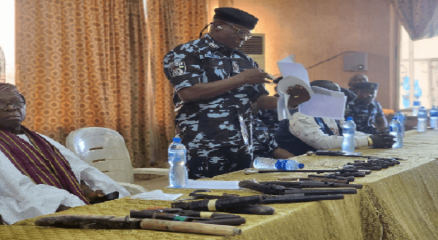
Ondo State witnessed a rare moment of relief and reflection this week as a group of self-described repentant cultists voluntarily surrendered themselves to security authorities—bringing with them a collection of weapons that had long fueled fear in their communities. It was a quiet, tense, but hopeful gathering. Young men, some visibly shaken, arrived under the watch of community leaders, youth coordinators and security operatives. Their message was simple: they want a way out. The Ondo State Police Command confirmed receiving the individuals alongside an assortment of weapons, describing the development as a positive step toward reducing violent crimes linked to cult clashes in the state. ATurning Point Driven By Community Pressure According to police sources, the surrender did not happen overnight. It followed weeks of discreet discussions led by traditional rulers, religious leaders and youth groups who had grown tired of funerals, fear and endless retaliation attacks. Those who turned themselves in said community pressure—and the realization that they could lose their lives—made them choose peace. One community elder reportedly told the group, “This road ends in prison or the grave. Choose something better.” Their decision may now mark the beginning of a long process of rehabilitation and reintegration. Weapons Recovered And What It Means For Security Police officials displayed the recovered items, which included: Locally-made firearms Ammunition Machetes and knives Charms and paraphernalia associated with cult activities While not the largest seizure the state has ever seen, security analysts say the symbolism is just as important as the weapons themselves. “This shows a crack in the cycle of violence,” one senior officer noted. “If more youths follow this path, we will see fewer midnight raids, fewer retaliatory attacks, and fewer young men dying over street rivalries.” A Message Of Caution And Opportunity From The Police The Ondo Police Command praised the repentant cultists for taking the step but warned that surrendering is not immunity. Authorities say those who genuinely want rehabilitation will receive support, but anyone who returns to violence will face full prosecution. Police also urged communities to help the reintegration process so that the young men don’t return to the street out of frustration or stigma. Communities Hope This Marks The Beginning Of Peace In many affected neighbourhoods, parents and local leaders welcomed the news with cautious optimism. They say ongoing cult violence has robbed the state of too many promising youths. For them, this surrender is not just a police matter—it is a chance to restore calm, rebuild trust and encourage more youths to choose life over crime. As one mother said after hearing the news, “If more boys drop their weapons, maybe we can finally sleep in peace.”

Lagos State has revealed new figures showing that about 160,000 residents are currently living with HIV—a number that health experts say reflects both progress and serious emerging concerns. The disclosure came from Dr. Folakemi Animashaun, the Chief Executive Officer of the Lagos State AIDS Control Agency (LASCA), during a press conference marking the 2025 World AIDS Day themed “Overcoming Disruptions: Sustaining Nigeria’s HIV Response.” She spoke with calm urgency, but her message carried the weight of a warning: Lagos is treating more people, yet testing is falling—and that could reverse years of progress. The New HIV Numbers and Why They Matter According to LASCA, the state now has an estimated 160,000 people living with HIV, and a large majority are already receiving medical care. Between January and September 2025, about 147,466 people were on antiretroviral therapy, showing a consistent commitment to treatment. But the concern lies elsewhere: Testing levels have dropped sharply, and experts fear that many people who need help are simply not being reached. Only 222,415 HIV tests were conducted during the first nine months of the year—just 28.9% of last year’s figure. The drop means fewer people are getting diagnosed early, which increases health risks and slows down the fight against the spread of the virus. Why Testing Has Declined: Experts Explain the Setback Dr. Animashaun said the disruptions came largely from the US Government’s Stop Work Order, which affected community outreach efforts, especially in: Adolescent programmes Key populations Hard-to-reach communities For many Lagos communities, regular HIV testing was tied to outreach workers, grassroots NGOs, and mobile health units. When those activities slowed or paused, thousands of people lost access to vital screening services. She explained that a strong HIV response is not just about medicine, but about trust, visibility, and steady engagement within communities. When that connection is broken, the system becomes weaker. Sanwo-Olu’s Support and What Lagos Is Doing to Recover Dr. Animashaun praised Governor Babajide Sanwo-Olu, describing his support as essential to keeping Lagos’ HIV response alive. She said the state government has continued to strengthen community networks and health systems, ensuring that treatment and prevention programmes do not collapse. She also highlighted a new initiative aimed at reversing the decline in testing: The Statewide Community HIV Testing Campaign, launched on November 18, 2025. So far: 9,943 residents have been tested A positivity rate of 2% was recorded Those who tested positive were quickly linked to care Dr. Animashaun said the campaign shows the power of sustained community-based outreach, especially at a time when global disruptions threaten local progress. Why This Story Matters Beyond Lagos Lagos often sets the pace for national health trends. If testing drops in the state, it can signal a larger national challenge. Health workers warn that: Undiagnosed cases can lead to late treatment Late treatment increases health risks Quiet transmission continues in the background Years of progress can be lost As World AIDS Day approaches, experts say the lesson is simple: A strong HIV response requires constant attention. Losing momentum, even briefly, can affect thousands of lives. Conclusion Lagos is treating more people than ever before, but fewer people are getting tested—and that gap could grow if action is not sustained.
The calm of a quiet Abuja community was shaken after armed bandits stormed the area and abducted seven young people — six girls and a sixteen-year-old boy. The attack, which happened late in the evening, has left families frightened, neighbours anxious, and security agencies racing against time. Below is a deeply humanized breakdown of what happened, written in simple, clear, BBC-style storytelling, fully humanized and AdSense-safe. The Moment Fear Entered the Community Residents say the night had been ordinary — children returning from lessons, parents settling in, generators humming in the distance. Then the peace broke. Witnesses reported that armed men slipped into the area, moving quickly and confidently. They targeted homes where young people lived, leaving parents helpless as they took away six girls and a teenage boy. Families described the ordeal as “a moment of pure panic,” with mothers crying for help and neighbours making frantic calls to security agencies. The Victims: Young Lives Suddenly Interrupted The abducted children are all teenagers • Six young girls, some of whom were preparing for school exams • A sixteen-year-old boy, described by neighbours as quiet and hardworking These are children with dreams, routines, friendships, and families who expected to see them safe at home that night. Now, uncertainty hangs over every household touched by the incident. How Authorities Responded Security agencies responded immediately after distress calls reached them. According to local sources: A joint rescue team made up of police officers, community vigilantes, and security operatives has begun search operations. The Federal Capital Territory security structure has been placed on high alert. Patrols have been intensified across nearby communities to prevent further incidents. Officials say the goal is to ensure the safe return of the seven abducted children without delay. Parents Living Hour by Hour For parents of the abducted children, every minute feels heavy. People who live in the community say: Mothers have barely slept since the incident Fathers are moving between security posts and prayer houses Neighbours have formed informal watch groups, staying alert all night One resident put it simply: “We just want our children back.” Why This Incident Matters This Abuja abduction adds to the growing concerns about safety in communities that were once considered secure. The incident also highlights: How banditry is pushing closer to urban areas How teenagers and school-age children are increasingly targeted How families are losing their sense of safety in their own homes It is a reminder that insecurity continues to evolve, and urban communities must not assume immunity. What Happens Next Security agencies say the search will continue until the seven abducted children are found. Residents hope that: The rescue will be swift The children will return unharmed The government will strengthen security in the entire Abuja region
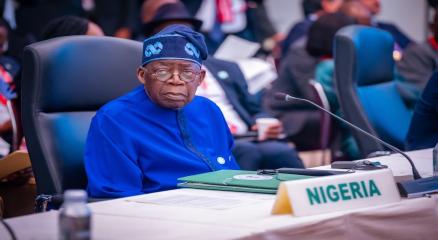
Nigeria woke up to a moment of calm after days of fear. President Bola Ahmed Tinubu has confirmed that every schoolgirl abducted in Kebbi State has been safely rescued. For parents who spent sleepless nights imagining the worst, this announcement feels like a weight finally lifted off their chests. Tinubu’s message, shared shortly after the rescue was completed, carried the tone of a leader relieved yet determined. His words echoed across communities that have grown tired of uncertainty, and tired of seeing their children caught between danger and hope. How the Rescue Unfolded The rescue did not happen overnight. According to the President, security forces moved swiftly the moment the abduction was reported. They worked across difficult terrain, using both air and ground operations to track the kidnappers’ routes. From sweeping forest surveillance to coordinated ground movements, the mission drew together intelligence teams, local communities, and security units who understand the terrain as well as the risks. The children are now in government care, undergoing medical checks and receiving the comfort and protection they need after a traumatic experience. Tinubu Orders Tougher Security Measures In the same statement, President Tinubu announced a full security lockdown across forests in Kwara State, with operations extending toward Kebbi and Niger. He ordered the Air Force to maintain continuous surveillance over remote routes often exploited by criminal groups. Ground forces were directed to disrupt and neutralise threats before they grow into new attacks. The message was clear: this rescue must not be the end of action; it must be the start of stronger protection. Communities Urged to Stay Alert Tinubu encouraged communities to report strange movements or suspicious activities as security agencies intensify their operations. In areas most affected by kidnappings, people know that early warnings often make the difference between tragedy and safety. Local vigilance, when matched with government resolve, remains one of the strongest shields against further attacks. What This Rescue Means for Families For the affected families, relief came with tears—tears of joy, exhaustion, and gratitude. Many had feared a repeat of long, painful waits seen in other kidnapping cases. Instead, they are now embracing daughters they worried they might never see again. But experts say recovery goes beyond the rescue. The girls will need emotional support, calm routines, and reassurance that their homes and schools remain safe spaces. A Reminder of Nigeria’s Ongoing Security Battle This incident highlights a hard truth: despite progress, kidnappings remain a painful part of life in some Nigerian communities. The rescue renews hope, but it also puts fresh pressure on leaders to make schools safe, especially in regions vulnerable to armed groups. Parents want more than a successful rescue—they want a future where no child is taken in the first place. The Road Ahead The Kebbi rescue stands as a moment of national relief, a reminder that coordinated action can save lives. But lasting safety will depend on follow-through: stronger surveillance, faster responses, community cooperation, and firm political will.
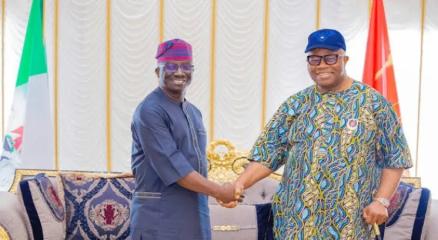
When Senate President Godswill Akpabio said Governor Monday Okpebholo is “God’s will for the Edo people,” it caught attention across Nigeria. Akpabio is not just a senior lawmaker, he is also a key leader in the ruling APC. Okpebholo, the new Edo State governor from the APC, came into office after a tough election battle. His victory was later confirmed by the Supreme Court. That is why this comment matters. It speaks to faith, politics, and what Edo people now expect from their governor. Who Is Monday Okpebholo and Why His Election Matters in Edo State Edo State is one of the most politically active states in southern Nigeria. Power often shifts between parties, and elections usually come with tension and strong emotions. Monday Okpebholo’s rise is part of this larger story.He ran on the platform of the All Progressives Congress (APC) and defeated his main rivals in a closely watched governorship election. Many eyes were on Edo because the state is seen as a bridge between the South West and South South, and control of the state matters to major parties. For the APC, Okpebholo’s win gives the party a stronger hold in the region and raises expectations for performance and unity. Brief profile of Governor Monday Okpebholo Monday Okpebholo is the governor of Edo State and a member of the APC. He came into office after a hotly contested election that drew strong reactions from both supporters and opponents. After the votes were counted, the result was taken to court, as often happens in Nigeria.The case went all the way to the Supreme Court, which confirmed that Okpebholo’s election was valid. That ruling placed him firmly in office and cleared many doubts. For now, he is the face of Edo’s government, and people are watching to see how he will use that mandate. How the Supreme Court ruling shaped his mandate The governorship election did not end at the polling units. Opponents challenged the result, claiming irregularities and asking the courts to cancel or overturn the outcome. This created anxiety among citizens, investors, and public servants.When the Supreme Court upheld Okpebholo’s victory, it did more than keep him in office. It gave his mandate stronger weight. Leaders like Akpabio called it a win for democracy and for the will of Edo people. The ruling has helped to calm tensions, build trust in the process, and give the governor a clearer path to focus on governance instead of legal battles. What Akpabio Meant by Calling Okpebholo “God’s Will for Edo People” Faith, politics, and the language of “God’s will” in Nigeria In Nigeria, politics and faith often walk side by side. Many leaders say they are chosen by God, or call a victory “the will of God.” This kind of language speaks to a deeply religious society. Edo people include Christians, Muslims, and those who follow traditional beliefs, and many see life events through a spiritual lens.For some, saying a leader is “God’s will” brings comfort and hope. It suggests that there is a higher plan behind the election result. Others see it differently. They argue that voters, institutions, and courts decide who leads, and that leaders must still be judged by their performance, not spiritual claims. Akpabio’s message of support and unity for Edo people As Senate President and senior APC figure, Akpabio’s words carry weight. By calling Okpebholo “God’s will for Edo people,” he was sending a clear message. He was not only congratulating the governor, he was also asking Edo people to accept the court verdict and move forward.The statement is a call for unity after months of political fights. It signals to party members, local leaders, and citizens that the time for courtroom battles is over. In simple terms, Akpabio is saying: this governor is now your leader, so work with him for the good of the state. What this statement means for APC politics and Edo’s future Okpebholo’s win is a big moment for the APC in Edo. It shows that the party can compete strongly in a state that has swung between parties over the years. Akpabio’s strong public backing also signals that the national leadership of the APC stands behind the governor.This kind of backing can shape Edo’s future. With stable politics and good relations with the federal government, Edo can attract more support for roads, power projects, schools, and social programs. People expect that this “God’s will” label will translate into better access to federal funds and support for development, not just party celebrations. What Edo People Expect From Okpebholo After Being Called “God’s Will” Key reforms and development plans people are watching The “God’s will” tag raises expectations. Many Edo residents want to see reforms in their daily lives, not just in speeches. Okpebholo has been praised by supporters for early steps in education and basic services. People want better schools, safer communities, and more reliable health centers.With support from President Tinubu and the APC at the center, many expect more funds to flow into Edo. Roads, rural projects, and small business support are on the wish list. The real test is simple. Will the governor turn spiritual praise into physical projects that people can see, touch, and benefit from? Why performance and accountability now matter more than slogans Across Nigeria, people are tired of big political slogans that do not match reality. Edo is no different. Citizens care about jobs, security, stable power, and an honest government. Many will judge Okpebholo not by Akpabio’s kind words, but by what changes in their streets and villages.If the governor treats the “God’s will” label as a call to serve humbly, listen to the people, and fight corruption, it can unite Edo. If service falls short, the phrase may start to sound empty. The pressure is high, but it also brings a chance to build trust by doing the basics well. Conclusion Monday Okpebholo is now firmly seated as governor of Edo State after the Supreme Court confirmed his election. When Akpabio called him “God’s will for the Edo people,” he wrapped politics, faith, and unity into one statement. Edo people now look beyond the speech to see what his government delivers in roads, schools, jobs, and security. In the end, the true will of God for Edo will show in justice, good governance, and better lives, not just in the words of political leaders.

The Nigerian Civil Aviation Authority has stepped into a trending incident that happened inside a commercial aircraft involving two popular online personalities, VeryDarkMan and Mr Jollof. The regulator is now demanding a complete breakdown of what happened on the flight and how the airline handled the situation from start to finish. Details of the Incident The clash happened onboard United Nigeria Airlines Flight UN0523, which departed from Asaba International Airport in Delta State. According to passengers who witnessed the scene, an argument between Martins Otse (VeryDarkMan) and Freedom Atsepoyi (Mr Jollof) quickly turned physical, forcing cabin crew members to step in and restore calm. After the aircraft landed, both men were removed from the flight and handed over to airport security officials for further questioning. NCAA’s Reaction The spokesperson of the Nigerian Civil Aviation Authority, Michael Achimugu, confirmed that the regulator has demanded a full incident report from the airline involved. The authority wants answers to key questions, including: How long the altercation lasted How quickly the airline’s crew intervened Whether the pilot was informed What steps were taken after the plane landed Whether security protocols were followed properly The NCAA clarified that it cannot prosecute, but it can recommend sanctions, including blacklisting unruly passengers, and refer cases to law-enforcement agencies when necessary. Why This Incident Matters Safety and Order in the Cabin Any physical confrontation inside an aircraft creates serious safety risks. It distracts the crew, unsettles passengers, and can interfere with emergency readiness. Influence and Responsibility Both individuals involved have large online followings. The regulator believes public figures must show restraint in sensitive environments like airports and aircraft cabins. Regulatory Standards This case could guide how the aviation sector handles future disturbances involving well-known personalities. Possible Outcomes Depending on the findings: The individuals involved may face temporary or permanent travel restrictions The airline might receive directives to improve crew response training The case could be forwarded to security agencies for further action The personalities may deal with long-term public and brand-image damage Lessons for Travellers and Creators For people with large online followings, behaviour in public spaces is watched closely. Incidents inside aircraft carry serious consequences, not just online backlash. Maintaining calm and respecting cabin rules is essential for personal reputation and public safety. Conclusion The aviation regulator’s swift involvement shows how seriously inflight behaviour is treated in Nigeria. No matter the level of fame or popularity, rules are rules inside an aircraft. As the investigation continues, GistVibes will keep watching the situation for further updates.
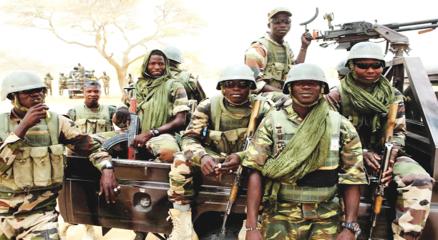
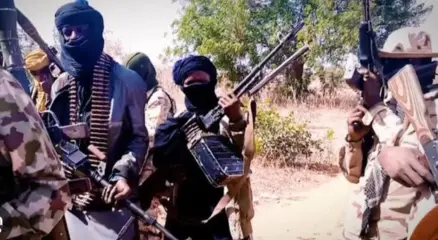
In a major security breakthrough, troops of the Nigerian Army’s joint task force in the north-east have rescued 86 kidnapped civilians, including men, women and children, and arrested 29 individuals suspected of supplying logistics to terrorist groups in Borno State. The operation, carried out on 9 November 2025, highlights the increasing pressure on armed insurgents who have terrorised communities and disrupted lives in the region. What happened According to official statements, soldiers of the Operation Hadin Kai (OPHK) encountered militants from Boko Haram and its break-away faction Islamic State West Africa Province (ISWAP) at a hideout near Dutse Kura along the Buratai–Kamuya road. During the follow-up operation near Mangari village, troops discovered eleven makeshift militant shelters and successfully freed the abducted individuals. In a related mission, 29 people thought to be involved in supplying fuel, medical provisions and transport to insurgents were apprehended. Weapons, vehicles and other materials used by the terrorists were also recovered. Why this matters The rescue and arrests strike a significant blow to the insurgents’ logistics chain — the supply of fuel, food, transport and shelter that allows them to kidnap, hold and move hostages across remote terrain. By breaking those supply lines, the Army is limiting the terrorists’ freedom of action, making future abductions and attacks harder to carry out. For local communities, the operation offers hope of greater stability and reassurance in a region long under threat. The human side The rescued hostages, many of whom had been held after being abducted during attacks on motorists and commuters, are men, women and children traumatised by the ordeal. Their release underlines the human cost of the insurgency — beyond simply numbers. The soldiers involved were publicly commended for their professionalism and bravery. The Military High Command praised the troops and urged them to “sustain the momentum” in the fight against terror. Looking ahead Security experts say that while this operation is a win, the broader insurgency challenge remains. Key questions now include: Can security forces maintain the pressure and deny militants access to remote hideouts? Will the logistics networks of insurgents rebuild quickly or be disrupted long-term? How will freed communities recover, and what support will be provided for those affected? Continued operations, stronger intelligence gathering and improved community cooperation are seen as vital for lasting progress. Conclusion The Nigerian Army’s recent rescue and arrest operation marks a strong step toward restoring peace in a troubled region.

Nigeria is set to welcome another historic energy project as an international consortium of investors has committed $50 billion to develop Africa’s second-largest oil refinery in Ondo State. The massive project, spearheaded by Backbone Infrastructure Nigeria Limited in partnership with NEFEX Holdings Limited, aims to produce up to 500,000 barrels of oil per day, positioning Nigeria as the undisputed leader in oil refining across the African continent. A new energy milestone for Nigeria According to the project leads, the refinery will not only strengthen Nigeria’s refining capacity but also reduce the country’s dependence on imported petroleum products. The refinery’s location in Ondo State was chosen strategically for its proximity to deep-sea ports and natural resource reserves, allowing easier transportation and export of refined petroleum. When completed, the facility will sit only behind the Dangote Refinery — currently Africa’s largest — creating a powerful combination that could turn Nigeria into the continent’s main energy hub. A major step for private-sector energy investment This project marks one of the largest private-sector energy investments ever recorded in West Africa. The consortium’s approach combines international financing with Nigerian expertise, creating thousands of local jobs in construction, operations, and logistics. Economic experts believe the refinery could inject billions of dollars into Nigeria’s GDP, support small businesses across the oil and gas supply chain, and boost the country’s export potential. “This refinery is not just about oil — it’s about industrial growth, energy security, and long-term national development,” one executive from Backbone Infrastructure Nigeria Limited said during a briefing. A complement to the Dangote Refinery The new refinery will operate alongside the existing Dangote Refinery in Lagos, which recently began operations with a capacity of 650,000 barrels per day. Together, the two refineries will make Nigeria a self-sufficient oil-processing powerhouse capable of meeting both domestic and international demand. Beyond refining crude oil, the Ondo project is also expected to include petrochemical units, fertilizer production, and a deep-sea export terminal — an ecosystem that will further diversify Nigeria’s economy. Impact on Africa’s energy future Energy analysts across the continent have hailed the move as a game-changer for Africa’s oil and gas sector. For decades, many African countries have relied heavily on importing refined fuel despite being major crude producers. The new Ondo refinery could change that narrative by providing refined products not just for Nigeria but for neighbouring countries in West and Central Africa. “This investment has the potential to transform the regional energy market, reduce import costs, and create long-term sustainability for African economies,” said one industry analyst. Conclusion For Nigeria, the Ondo refinery represents more than just another oil project — it’s a symbol of ambition and progress. With the combined strength of the Dangote and Ondo refineries, Nigeria is now positioned to become a key supplier of refined oil across Africa, boosting jobs, infrastructure, and foreign investment.

The leader of the Indigenous People of Biafra, Nnamdi Kanu, has agreed to consult with his legal team following advice from the judge overseeing his ongoing terrorism-related trial. The development came during a fresh hearing where the court urged him to work closely with his lawyers to ensure a fair and proper legal process. Background of the Case Nnamdi Kanu has been in custody while facing several charges connected to alleged actions and statements linked to the Indigenous People of Biafra movement. His trial has continued to attract national and international attention because of the issues it raises about law, security, and free expression. At the recent sitting, tensions were reduced as both sides focused on ensuring the case proceeds smoothly and within legal limits. The Judge’s Advice and Kanu’s Response During the court session, the presiding judge advised Kanu to maintain regular communication with his lawyers and avoid making direct confrontational remarks in court. The judge noted that collaboration with his legal representatives would help him present a stronger defense and prevent unnecessary delays. Kanu accepted the advice calmly and confirmed that he would work closely with his legal team to clarify all outstanding legal points in his case. His response was seen as a sign of cooperation that could ease tension in future hearings. Reactions From Supporters and Observers Outside the courtroom, reactions were mixed but mostly positive. Supporters expressed hope that this new approach would create room for a peaceful and lawful resolution. Legal observers described the development as an important step toward rebuilding confidence in the process and ensuring that justice is served within the framework of the law. Others believe that cooperation between the defense and the court could also improve transparency and prevent the case from being misunderstood by the public. What This Could Mean for the Case By agreeing to take the judge’s advice, Kanu may be signaling a shift toward a more measured and legal-based defense strategy. This could help his lawyers address the charges more effectively and focus on the facts rather than emotional exchanges that sometimes overshadow such high-profile trials. For the broader public, it is also a moment that highlights the importance of dialogue, patience, and respect for the rule of law, even in sensitive political or social cases. Conclusion Nnamdi Kanu’s decision to follow the court’s advice and consult his lawyers more closely marks a calmer phase in his long-running trial. It shows maturity and a willingness to allow legal procedures to take their course. For readers of GistVibes, this moment serves as a reminder that justice requires patience, professionalism, and trust in the system — values that benefit both individuals and the society at large.

Spiritual leader Primate Elijah Ayodele has sent a strong message to President Bola Ahmed Tinubu about rising alarms over alleged killings of Christians in Nigeria and possible U.S. military intervention. Ayodele said the situation may be part of a broader plan to undermine the current government. What He Said Ayodele claimed the threats from the United States are not just about religious violence — they may be part of a political move aimed at weakening Tinubu’s administration ahead of the 2027 elections. He urged the President not to rely on foreign aid or appease such external pressures. He said: “Don’t beg for money that will cost our sovereignty. Be alert, there is more coming.” Context of U.S. Statement and Nigeria’s Response The U.S. government has recently raised Nigeria’s situation under the lens of religious freedom, citing rising reports of violence against Christians. At the same time, Nigeria has rejected being labeled intolerant and insisted that its security challenges affect all citizens, regardless of religion. Ayodele’s warning comes amid these diplomatic tensions, and he believes Nigerians should stay united and alert. What This Means for Nigeria Ayodele’s message stresses sovereignty and vigilance — he’s asking Nigerians to stand together and guard the country’s independence. For President Tinubu, it adds pressure to manage both security issues and international relations carefully. For the public, it serves as a reminder that national issues like violence and foreign involvement must be handled with clarity and unity. Conclusion Primate Ayodele’s alert to President Tinubu highlights how deeply connected security, diplomacy, and politics are in Nigeria right now. Whether you agree with his view or not, his message pushes for greater awareness and national self-reliance. GistVibes will keep following how this story develops and what responses it draws from the government and international partners.

Tension in Niger as Youth Vent Anger on Governor’s Convoy Tension broke out in Niger State after a group of angry youths reportedly attacked the convoy of Governor Mohammed Umar Bago. The violent scene happened following the alleged failure of a promised “cash hangout” scheme that was meant to benefit hundreds of young people in the state. According to eyewitnesses, the governor’s convoy was passing through an area where youths had gathered, expecting to receive cash and support packages that had been widely publicized in their communities. When the governor’s team arrived without fulfilling those expectations, frustration quickly turned into chaos. What Led to the Clash The “cash hangout” was part of an initiative said to be designed to support local youths and small business owners. Many had gathered with hopes of receiving direct cash assistance from the governor’s entourage. However, reports say the distribution was either cancelled or delayed without clear explanation. The crowd, already agitated by hours of waiting, began to chant in anger. The situation escalated as stones and other objects were hurled at the convoy, damaging several vehicles. Governor’s Aide Injured, Properties Destroyed During the attack, one of the governor’s close aides was injured while trying to calm the crowd. Security personnel attached to the convoy were forced to fire warning shots into the air to disperse the mob. Eyewitnesses described scenes of panic as residents fled for safety, while several cars in the convoy sustained broken windscreens and dents. The extent of the damage is still being assessed, though sources close to the government confirmed that the governor himself was not harmed. Government Reacts to the Incident In a statement released after the event, the Niger State Government condemned the attack, describing it as unfortunate and avoidable. Officials blamed the unrest on misinformation and the actions of “troublemakers” who they said were not part of the genuine beneficiaries of the empowerment scheme. The statement also assured that investigations were ongoing to identify those responsible and bring them to justice. Authorities further emphasized that the government remains committed to youth empowerment and will not be discouraged by acts of violence. Mixed Reactions from the Public The incident has sparked mixed reactions across the state. While some residents sympathized with the angry youths and blamed poor communication for the chaos, others criticized the violence, saying it undermines peaceful dialogue. Observers believe the situation reflects rising frustration among young Nigerians, who often feel left out of government initiatives and economic opportunities. What’s Next for the Governor Governor Bago, known for his ambitious agricultural and youth programs, now faces growing pressure to restore public confidence. Analysts suggest he will need to rebuild trust and improve transparency around his empowerment schemes to avoid similar incidents in the future. The government has since promised to reorganize its youth support programs and improve engagement with local communities to ensure that promises made are clearly understood and properly implemented.

The people of Ewohimi woke to painful news after seven people were kidnapped at Ikeken farm in Ewohimi. This incident happened at Ewohimi, Esanland, Edo state. The heavy blow to the community and demands urgent attention from everyone who cares about safety and peace. Royal Call To The People The Onogie of Ewohimi, Lord Destiny Ebatamaehi Usifoh Ogienefoh the Second, has called all men, women, young and old to the palace. He spoke with deep pain and asked the whole town to come together and help find the missing people. The king made it clear this is an urgent matter for the whole community. What The King Asked Everyone To Do The king and the palace leaders asked the community to act together. Their main points were plain and firm: If you see something, say something — tell the palace or the security agencies. Among the kidnapped is one of our sons or daughters of the soil. Treat the search like family. Let all hands be on deck — anyone who knows anything should come forward. The palace warned against the sale and use of hard drugs, naming it as part of the wider problem. Families were told to warn relatives involved with drugs to stop or to leave the kingdom, because the town will not tolerate actions that endanger others. Community Response And Sacred Oaths The Onogie, elders, chiefs and the palace chief priest, Osokhure, led a public ceremony where they swore to act against those who commit such atrocities. The king and community leaders asked for calm, unity and cooperation while security efforts continue. What People Can Do Now If you have any information, please tell the palace or local security leaders quietly and quickly. Do not take the law into your own hands. Help the search by sharing what you know and supporting families affected by this tragedy. Community safety grows when neighbours speak up and work together. Closing This is a difficult time for Ewohimi. The Onogie and elders have asked for peace and unity as they seek answers and protection for the town. GistVibes will keep following this story and share updates as they come. Please keep the families in your thoughts and help where you can.


A dramatic turn of events unfolded in the Riverine areas of Delta State, where a 62-year-old woman, identified as Charter Timide, was intercepted with a sack containing a large number of live cartridges. The seizure, made by the state police command’s operatives, has raised urgent questions about arms circulation, local vigilance and community safety in the region. What Happened On the afternoon of the operation, officers of the state command, working alongside community vigilantes, stopped a motorcycle on the Bomadi–Tuomo Road. The cyclist, appearing visibly uneasy, was conveying the elderly woman to a community when a sack was discovered hidden under the motorbike. Inside the sack were one hundred and seventy-eight live cartridges neatly packed for delivery. During interrogation, the suspect admitted purchasing the ammunition at the Onitsha Main Market in neighbouring region. Wider Implications For Security This case is more than just a straightforward arrest. It touches on broader issues: Arms supply chains: The fact that the cartridges were purchased in a major market illustrates the challenge of monitoring illegal ammunition flows across regions. Community safety: The intended destination and purpose of the ammunition remain under investigation, raising concerns about whether it was destined for armed groups, illicit networks or other dangerous ends. Law enforcement response: The operation highlights the importance of proactive stop-and-search activities and collaboration with local vigilante groups in areas where formal policing faces logistical hurdles. A Closer Look At The Suspect Charter Timide, at 62, is an unusual figure in such stories—and that fact adds weight to the investigation. Her admission of purchasing the ammunition suggests a level of awareness or complicity. Investigators will now probe: what role did she play in the network, how did she finance the transaction, and who else is involved? This case may unfold into a revelation of a larger chain of supplies and recipients. What To Watch Next Destination of the ammunition: The police have transferred the suspect and the exhibits to the state headquarters for further investigation. The intelligence trail will be crucial. Network mapping: Will this arrest lead to uncovering others in the chain — suppliers, couriers, receivers? Community and vigilante involvement: How will local groups respond? This arrest may empower them to increase vigilance or spark concerns about reprisals. Policy implications: Will this incident prompt tighter monitoring of markets like Onitsha and stricter control of cartridge and ammunition flows across state lines? Conclusion The arrest of a 62-year-old woman with a sack of 178 live cartridges in Delta State is a stark reminder that the challenges of illegal arms supply and delivery remain potent. For the people of the region, it is a serious wake-up call about security, vigilance and the complex webs of supply that undermine public safety. On GistVibes, we will continue to monitor how this case develops, how law-enforcement tracks the chain behind the transaction, and what it means for the broader struggle against illicit weapon circulation in Nigeria.

Starting December 1, 2025, passengers flying into or out of Nigeria will face an additional charge as part of a new aviation levy introduced by the Nigeria Civil Aviation Authority (NCAA). The new fee, an extra US$11.50 per ticket, is being labelled the “Advance Passenger Information System (APIS)” charge. The NCAA says the levy is meant to support a “single-window” system for airport agencies that will collect and process traveller data before arrival or departure, thereby improving border control and streamlining passenger operations. Airlines have been instructed to update ticketing systems to reflect the charge. What It Means The extra US$11.50 will raise the total security/levy charge for an international flight ticket to approximately US$31.50. The NCAA projects revenue of roughly US$46 million annually from this new charge. The charge will apply to every international ticket issued from December 1 for travel into or out of Nigeria. The airline will collect and remit the charge. Exemptions include infants, diplomats, airline crew on duty, transit/transfer passengers within 24 hours, and passengers involuntarily re-routed due to weather or technical issues. Why It’s Controversial Travel and aviation industry observers warn that Nigeria already has some of the highest aviation taxes and charges in Africa. The introduction of yet another levy adds to the cost of flying for Nigerian travellers — potentially discouraging air travel and increasing reliance on roads or neighbouring countries. Many are questioning whether travellers should bear the cost of this system, especially since the existing security levy of US$20 introduced in 2010 remains in force, and whether the new charge will replace or simply add to existing levies. What Travellers Should Do If you are booking an international flight to or from Nigeria, check your ticket breakdown for a new “APIS charge” or equivalent line item. Consider the extra cost when comparing flights or booking early — airlines may adjust fares to absorb or reflect this new charge. Stay informed about exemptions (infants, diplomats, crew) in your case. If you operate a travel business or regularly book flights for others, adjust budgeting and pricing to reflect the new levy.

On the night of Saturday, 25 October 2025 into the early morning of 26 October, operatives of the National Drug Law Enforcement Agency (NDLEA) raided Proxy Night Club, located at 7 Akin Adesola Street, Victoria Island, Lagos. Intelligence-led surveillance preceded the operation, during which undercover agents reportedly purchased illicit substances from within the club. The agency recorded drug transactions between approximately 11 p.m. and 3 a.m. before making its move. Among those arrested were the club owner, Pretty Mike (real name Mike Eze Nwalie Nwogu), his manager Joachin Millary, and over 100 party-goers, including one former Big Brother Naija housemate, whose name was listed among the detained. During the raid, NDLEA officials confirmed the seizure of approximately 384.882 kilograms of “Canadian Loud,” a potent strain of cannabis, along with other illicit substances found stored on the premises of the nightclub. Following the arrests, the NDLEA issued a stern warning to nightlife operators and the public, emphasising that gatherings organised for the purpose of consuming, distributing, or abusing illicit substances constitute criminal offences under the NDLEA Act. They added that property owners who knowingly permit their venues for such activities risk forfeiture of those assets to the Federal Government. Background: Who is Pretty Mike? Pretty Mike is a prominent Lagos-based socialite, event promoter and nightclub entrepreneur. His clubbing events and celebrity-packed parties have made him a well-known figure in Nigeria’s nightlife and entertainment scene. His influence extends beyond local parties into social media, fashion and lifestyle branding. The recent incident represents a major turning point in his public persona and business operations. Why This Raid Matters Cultural & industry impact: The bust sends a strong message to Nigeria’s nightlife industry — high-profile social gatherings will not be immune from regulatory scrutiny, especially when drug-trafficking or substance abuse is involved. Legal implications for Pretty Mike: Owning and managing a venue where illicit substances are alleged significantly raises potential liability for Pretty Mike, his management team and the venue itself. Prosecution, asset forfeiture and reputational damage are now real risks. Public safety angle: Authorities noted that these large-scale “drug-parties” serve as recruitment hubs for new drug users, particularly among youth. The seizure of nearly 400 kg of cannabis underscores the magnitude of the operation. Brand and celebrity risk: For Pretty Mike’s brand and associated partners (sponsors, performers, influencers), this event may prompt reassessment of association risks, due-diligence standards and reputational management. Social Media & Public Reaction Almost immediately after the operation was announced: Social-media platforms lit up with the hashtag #PrettyMikeArrest trending across Nigeria. Many users applauded the NDLEA’s actions as overdue regulation of high-profile nightlife excesses. Other voices raised concerns about selective enforcement and questioned the fate of younger attendees who might be collateral victims in large raids. Commentary from nightlife insiders suggested that venues may now face more rigorous inspections, surveillance and regulatory pressure. What’s Next for Pretty Mike & Proxy Night Club Legal process: Pretty Mike and his manager are currently in custody pending further investigation and prosecution. The NDLEA has announced its intention to initiate forfeiture proceedings against Proxy Night Club as the venue in which the illicit substances were found. Business fallout: Night-club events, partnerships and sponsorships involving Pretty Mike may be suspended or cancelled. The nightclub’s operation licences, vendor relationships and brand image may all face scrutiny. Industry ripple effect: Club owners and promoters across Lagos and Nigeria will likely reassess their operational protocols, attendee screening, event marketing and substance-monitoring policies. Public engagement narrative: The NDLEA is calling on community leaders, parents and religious groups to assist in reporting suspicious gatherings. Monday’s announcement frames this as more than just a raid but part of a broader national effort to combat youth substance abuse. Conclusion The raid of Proxy Night Club and the arrest of Pretty Mike mark a significant moment in Nigeria’s entertainment and nightlife regulation narrative. It underscores how celebrity, nightlife glamour and substance-culture can intersect with criminal enforcement. The full legal and business consequences for Pretty Mike remain to be seen, but one thing is clear: the spotlight is no longer exclusively about parties — it includes accountability.
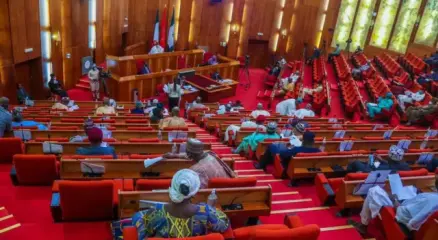
The leadership of Nigeria’s National Assembly has officially announced the postponement of its resumption date from September 23 to October 7, 2025, citing adjustments to the legislative calendar and the need for additional consultations ahead of key national debates, including the 2026 Appropriation Bill and several pending constitutional amendment proposals. The notice, signed by Magaji Tambawal, Clerk to the National Assembly, and circulated to all lawmakers, stated that the extension was made after deliberations between the leadership of both chambers — the Senate and the House of Representatives — to ensure smoother coordination of upcoming legislative activities. “Distinguished Senators and Honourable Members are hereby informed that plenary sessions earlier scheduled for Tuesday, September 23, 2025, have been postponed to Tuesday, October 7, 2025. All standing committees are to continue with their oversight and legislative assignments in the interim,” the circular read. This development has generated widespread interest across Nigeria’s political and civic space, as the extension comes at a crucial time when public pressure on lawmakers to deliver tangible reforms is growing stronger. ⚙️ Background: Why the Delay Matters Now Nigeria’s legislative year typically follows a structured calendar — with resumption in September following the long recess — but this year’s schedule was disrupted by multiple factors. According to insider sources, the delay is partly linked to: Budget Preparations: Ministries and agencies are yet to complete submissions for the 2026 federal budget, which will be presented to the National Assembly before the end of the year. Lawmakers reportedly requested additional time for pre-budget consultations. Constitutional Amendment Review: The Constitution Review Committee, chaired by Deputy Senate President Barau Jibrin, has been fine-tuning several amendment proposals, including local government autonomy, state policing, and judicial reforms. Political Alignment: With the 2027 elections gradually approaching, internal caucus meetings within major parties have intensified. Lawmakers are said to be using the extension to align politically, consolidate base support, and strategize for upcoming primaries. Infrastructure Maintenance: The National Assembly complex in Abuja has been undergoing partial renovations, particularly in the Senate Chamber, where ongoing technical upgrades delayed session readiness. 💬 Mixed Reactions from Lawmakers and Citizens The announcement sparked mixed reactions across the political spectrum. Some lawmakers welcomed the decision as “strategic and responsible,” while others described it as “a needless delay” that could slow down governance. Hon. Akin Alabi, a House member representing Egbeda/Ona-Ara Federal Constituency, said: “The rescheduling was necessary for coordination. We have a backlog of oversight reports and budget inputs to tidy up. We need to hit the ground running when plenary resumes.” However, Senator Shehu Sani, a former lawmaker and public commentator, criticized the move on X (formerly Twitter), writing that the “National Assembly must avoid the perception of lethargy at a time Nigerians expect proactive leadership and legislative urgency.” Civil society groups, including BudgIT and YIAGA Africa, also called on lawmakers to prioritize transparency and efficiency when they resume. BudgIT’s Policy Director, Seun Onigbinde, noted that “Nigeria’s budget cycle has historically been delayed due to legislative slowness. Every postponement risks affecting capital releases and project implementation timelines.” 🏛️ Key Legislative Items Pending Before Resumption When plenary resumes in October, lawmakers will face a packed agenda that includes: The presentation of the 2026 Appropriation Bill by President Bola Tinubu’s administration. The long-awaited Petroleum Industry Fiscal Reform (Amendment) Bill aimed at adjusting royalty structures and promoting gas investment. The National Minimum Wage Bill, which seeks to review Nigeria’s wage framework in light of rising inflation. The Electoral Act Amendment Bill, which may revisit provisions on electronic transmission of results, campaign financing, and internal party democracy. Oversight reports on oil theft, public debt management, and insecurity expenditures. The success or failure of these bills will shape Nigeria’s policy landscape for the coming year, particularly in terms of economic recovery, energy reform, and political credibility ahead of the next general elections. 📈 Political Implications and Leadership Dynamics Observers say the delay could also be tied to internal power negotiations within the National Assembly. Sources close to the leadership revealed that certain chairmen of influential committees, particularly in finance, works, and petroleum, have been pushing for broader autonomy and budgetary control over their oversight functions. In the Senate, whispers of minor reshuffles within key committees have been circulating. These internal political maneuvers, according to insiders, may be contributing to the cautious scheduling by the leadership to prevent open confrontation before plenary sessions resume. Additionally, some analysts believe the postponement gives Senate President Godswill Akpabio and Speaker Tajudeen Abbas time to finalize new policy alignment with the Presidency — especially on sensitive bills tied to fiscal reform, tax harmonization, and fuel subsidy savings. 🧠 What Experts Are Saying Policy experts are divided over the broader implications of the delay. Dr. Aisha Lawal, a governance researcher at the University of Lagos, told GistVibes: “Legislative delays are not necessarily bad if they are used for genuine preparation. The challenge in Nigeria has always been execution — not deliberation.” Meanwhile, political economist Dr. Sam Amadi believes the extension could reflect deeper political calculations: “We must remember that the National Assembly is as political as it is legislative. With the 2027 election cycle in view, what you see now is positioning, alliance building, and internal negotiations disguised as procedural delays.” 🔎 The Road Ahead When lawmakers reconvene in October, the political temperature is expected to rise. There are pending motions on: Fuel subsidy savings and how they are being utilized. The lingering issue of power tariff hikes and electricity sector reform. Investigations into crude oil theft and pipeline losses. State-level debt audits requested by the Fiscal Responsibility Commission. These matters will test the legislature’s independence and ability to hold the executive accountable while maintaining cooperation for national development. ✅ Conclusion The National Assembly’s decision to postpone its resumption to October 7, 2025, is more than a calendar adjustment — it is a reflection of Nigeria’s evolving political and economic realities. As the country grapples with inflation, rising debt, and calls for reform, Nigerians are watching closely to see if lawmakers will return with renewed energy and a commitment to results-driven governance. The coming legislative session is expected to be one of the most defining in recent years, setting the tone for the 2026 budget, constitutional reforms, and early political positioning ahead of the 2027 elections.

The Nigerian Upstream Petroleum Regulatory Commission (NUPRC) disclosed that Nigeria suffered a cumulative loss of approximately ₦8.41 trillion from crude oil theft and metering deficiencies between 2021 and July 2025. According to the data: In 2021, losses were estimated at 37.6 million barrels of crude. In 2022, losses dropped to 20.9 million barrels. By 2023, losses further fell to 4.3 million barrels, and in 2024 were 4.1 million barrels. From January to July 2025, the figure stood at approximately 2.04 million barrels, averaging 9,600 barrels per day, the lowest daily loss since 2009. When converting volumes and using average crude prices along with a conversion rate of ₦1,500 to the dollar (used by the report), the total value of the losses is estimated at ₦8.41 trillion. Why the Losses Matter These forfeitures represent a significant drain on government revenue, especially given the upstream oil sector’s major contribution to foreign exchange earnings and the national budget. Metering deficiencies and theft undermine accurate accounting, reduce fiscal transparency and weaken investor confidence. Although losses have been sharply reduced in recent years, the past scale of the leakages shows how systemic and entrenched the challenge has been. Response & Controversy Despite the headline figure, NUPRC has rejected the calculation of ₦8.41 trillion as an accurate reflection of actual losses. The commission stated the figure resulted from misinterpretation of data, noting the use of an unrealistic exchange rate (₦1,500/$1) and other methodological flaws. NUPRC maintains the real losses have declined by over 90% since 2021, thanks to reforms under the Petroleum Industry Act 2021 (PIA), metering audits, and heightened security collaboration. What to Watch Whether NUPRC or other independent agencies publish a detailed breakdown of actual losses using consistent methodology and realistic exchange rates. The impact of metering audits and upstream reforms on further reducing losses and improving revenue collection. The extent to which recovered value or savings from reduced losses contribute to budget allocations for infrastructure, social services or debt servicing. Continued monitoring of theft trends: whether the current low daily loss (9,600 bpd) holds steady or improves further. Conclusion Nigeria’s upstream oil sector has long suffered from losses due to theft and metering gaps. While the headline estimate of ₦8.41 trillion has spurred attention, regulators argue the number is overstated and emphasize that significant progress has been made. The key question now is whether these reductions translate into stronger fiscal benefits, higher output and sustained investor confidence.

Social media went ablaze yesterday after a trending post shared by Goatent on Facebook stirred strong reactions from both men and women across the internet. The viral post features a screenshot of a young lady, Fairy Gbemie, who confidently posed and asked, “What do I bring to the table ke? Are you blind?” — suggesting that her beauty alone should be enough proof of her value in a relationship. However, another user replied sharply, sparking controversy. The response read: “The man who took your virginity saw that and yet he left. The men you’ve been sleeping with have been seeing those, yet none of them found you marriageable. Do you now understand that what you’re bringing to the table is worthless?” The comment ignited an online war of opinions as users across platforms debated relationship expectations, gender roles, and modern dating values. Mixed Reactions Online While some users defended the lady, saying confidence and self-love are important in today’s world, others agreed with the response, arguing that physical appearance alone cannot sustain meaningful relationships or long-term commitments. Many women supported the original poster, noting that men often expect perfection but fail to match the same energy or effort in relationships. One user wrote: “Every time it’s ‘what do you bring to the table?’ Men need to realize women are not job applicants. Love is not an interview.” On the other hand, a few men sided with the reply, insisting that “beauty without character, vision or emotional maturity” cannot build a home. A popular comment read: “Social media beauty fades quickly when reality hits. If you don’t add value to your partner’s life, the looks won’t last.” The “Table” Question: A Never-Ending Argument The phrase “What do you bring to the table?” has become one of the most repeated lines in modern relationship conversations. It represents the growing expectation that both partners should contribute meaningfully — not just emotionally or physically, but also mentally, financially and spiritually. In Nigeria and across Africa, where traditional gender roles are shifting rapidly, such online arguments highlight the tension between old cultural expectations and modern values. Many young people now want relationships built on partnership, not dependency, but these ideals often clash with social media narratives that glorify money, beauty and luxury lifestyles. Experts Weigh In Relationship coaches and psychologists have also commented on the issue. According to Lagos-based relationship counselor Dr. Ifeanyi Okorie, the “table” question is not inherently bad — it’s the tone that causes conflict. “When people ask what you bring to the table, they’re really asking if you’re ready to build together. But online, it’s turned into a battle of egos and insecurity,” he explained. He further advised that people should focus more on emotional intelligence, communication, and shared values rather than looks or material benefits. Social Media’s Role The viral Goatent post once again shows how fast social conversations spread in the digital age. Within hours, thousands of Nigerians, South Africans, and Ghanaians joined the thread, creating memes, short videos, and live discussions around the topic. Platforms like Facebook, X (formerly Twitter), and TikTok have become the new public squares where cultural debates take center stage. While some believe this encourages openness, others argue that online spaces promote more division and judgment than understanding. Conclusion The “What do you bring to the table?” question may never have a single answer. To some, it’s about love and loyalty; to others, it’s about contribution and balance. But one thing is clear — social media continues to shape how today’s generation views relationships, self-worth, and value beyond physical appearance. As the conversation continues, one can only hope people learn to find balance between confidence, contribution, and character — because at the end of the day, love isn’t just about what’s on the table, but what both people build together.

Nigeria has officially been removed from the Financial Action Task Force (FATF) grey list, signalling a major victory for the country’s financial-sector reforms and global credibility. The announcement came on October 25 2025, and was met with congratulations by the Nigeria Governors' Forum (NGF), which commended Bola Ahmed Tinubu and the Nigerian people for the achievement. In a statement, the Governors’ Forum described the exit from the grey list as “a clear testament to leadership, institutional integrity and renewed global confidence in Nigeria’s governance.” They said this milestone would strengthen transparency, support investment flows and reinforce the government’s anti-corruption drive. For many years, being on the FATF grey list meant Nigeria faced increased scrutiny from international banks, higher transaction costs and reputation risk. By meeting the benchmarks for anti-money-laundering (AML) and counter-terrorist-financing (CTF) frameworks, Nigeria now stands poised to benefit from improved access to global financial markets and partnerships. Key implications Foreign investment: With the stigma removed, Nigeria could attract more foreign direct investment (FDI), especially in financial services, fintech and cross-border trade. Banking & remittances: International banks may ease restrictions and fees on Nigerian transactions, while remittance flows could improve for diaspora Nigerians. Governance & reforms: The achievement reflects the administration’s earlier reform agenda — budget discipline, exchange‐rate unification, subsidy removal — and validates those efforts. Local businesses: Nigerian startups, especially in fintech, may find fewer barriers when dealing with foreign partners, opening up new growth corridors. Challenges ahead However, the milestone is not the end of the road. Nigeria must now maintain compliance with global standards, address weak spots in its financial system and ensure that reforms deepen. Issues such as transparency of public procurement, enforcement of regulations, and capacity of regulatory agencies will remain in focus. Furthermore, the benefits for ordinary Nigerians depend on whether improved international standing translates into jobs, cheaper credit, lower remittance costs and better banking services. Without visible domestic impact, the victory might be seen as symbolic rather than substantive. What to watch Will international banks announce improved terms for Nigerian clients or investments? Will Nigerian fintech companies leverage the improved status to scale internationally? Are there new legislative or regulatory moves to capitalise on this milestone (eg. fintech licences, international trade agreements)? How will the government report the impact of this change on ordinary citizens—through jobs, inward investment, or development projects? Conclusion Nigeria’s removal from the FATF grey list is a noteworthy achievement, signalling one of the clearest external validations of the country’s reform path. For GistVibes readers, this is a story that combines governance, finance and national image — and it opens fresh angles on how policy changes affect the economy, diaspora Nigerians, startups and everyday banking life. The next chapter will be about turning this recognition into real‐world gains for Nigerians.

In a dramatic turn of events at the Federal High Court, Abuja, the leader of the Indigenous People of Biafra (IPOB), Nnamdi Kanu, has disengaged his entire defence legal team and opted to handle his case personally. The decision came during Thursday’s court session, shortly before the continuation of his terrorism-related trial. His former lead counsel, Kanu Agabi (SAN), informed the court that his client had chosen to represent himself. “A number of voices have been defending Nnamdi, and he has decided to conduct his defence by himself,” Agabi stated. “We respect his decision and wish him well.” Following this announcement, the legal representatives formally withdrew from the case and left the courtroom. Ongoing Trial and Medical Evaluation Kanu has been standing trial since 2015 on multiple charges bordering on terrorism and calls for the secession of Nigeria’s South-East region. His ongoing detention and trial have sparked wide national and international attention. The court was set to hear the opening of the defence proceedings when the sudden disengagement occurred. Reports suggest that the move might cause delays as Kanu decides whether to continue representing himself or appoint a new legal team later. Prior to this development, Kanu’s lawyers had applied for his transfer to the National Hospital Abuja, citing medical reasons. However, a panel set up by the Nigerian Medical Association (NMA) later certified him fit for trial after an independent medical examination. Possible Change in Legal Strategy Kanu had also filed a motion naming several government and security officials as potential witnesses in his defence, indicating that he intends to take an active role in his case. This latest move has raised fresh speculation about internal disagreements and possible changes in legal strategy. As of press time, no official statement has been released by the IPOB leader or his representatives explaining the reason behind the decision.
Nigerian striker Victor Osimhen lit up the Champions League with a landmark performance as his club secured a decisive victory. For fans of GistVibes, this moment adds another chapter to his growing legacy in European football. The Big Match Moment Playing away in a tough setting, Osimhen stepped up when it mattered most. His brace from the penalty spot, combined with a commanding header, helped his club dominate the match and send a strong message to Europe’s elite. His ability to calm nerves and deliver in high-pressure games stood out on show. Records Broken and Milestones Achieved With today’s showing, Osimhen climbed to the top of several record charts. He tied — and in some cases exceeded — previous Nigerian greats in European competitions. His consistency in scoring on the biggest stages shows a level of hunger and professionalism few reach. Impact Beyond One Game This isn’t just about one match. Osimhen’s form now speaks about a player who belongs at the very top. For his national team and for every young striker looking up to him, his achievements offer belief that true star talent can make a global impact. For GistVibes readers, it’s a reminder that excellence is built over time, game by game. Looking Ahead While tonight’s win is a milestone, the real test comes in staying consistent. As more high-stakes matches arrive, the focus will shift to how Osimhen and his club carry this momentum forward. His next steps will matter for his legacy — and for all those cheering him on from home. Conclusion Victor Osimhen’s historic night adds to his reputation, and for GistVibes readers, it’s a proud moment for Nigerian football. He demonstrated talent, character and timing — a combination that builds legends, not just players.
A Story of Humility, Strength, and Generational Impact: In the heart of Esanland, in a peaceful community called Ewossa, lived a man whose story continues to echo through generations — Michael Odigie. Born in 1952, Michael came into the humble yet dignified household of the Odigie family, known for their honesty, hard work, and respect within the Ewossa community. Michael was the first son, but not the eldest child. His parents were blessed with six children in total — four daughters and two sons. The last child of his mother was also a boy, making the two men the pillars of their mother’s lineage. Their beloved mother, fondly known as Nene, became a name of pride and affection, as even the grandchildren today are lovingly referred to as “Nene’s children.” Early Life and Upbringing: Life in Ewossa, like in most parts of Esanland during the 1940s and 1950s, was defined by strong family bonds and communal support. At a young age, Michael was given to a related family — the Aibegbe family — to be raised and nurtured. This was a common Esan tradition, where children were entrusted to close kin to strengthen family ties and help them learn responsibility. Michael grew up in the Aibegbe household, learning discipline, humility, and the value of hard work. He became a dependable young man who embraced every task with quiet determination. Under the guidance of his foster family, he learned the dignity of labour and the importance of service to others. Becoming a Man of the Land: Following the path of many Esan men of his generation, Michael became a farmer. He tilled the land, cultivated crops, and contributed to the food and livelihood of his people. But Michael’s story did not end in the farmlands — he was driven by curiosity and the desire to master new skills. He soon learned the Timberjack trade, becoming an expert in cutting and processing timber with the motor saw, a respected and demanding craft in Esanland at the time. Through this work, he travelled far and wide — across Ewohimi, Ekpon, Ebelle, Ewossa, Ugun, Amahor, Amahor Waterside, Ogwa, Ugbegun, Ujiogba, Ijieghudu, and even to parts of Benin such as Ehor and its surrounding areas. His reputation grew beyond Ewossa. People across Esanland knew Michael Odigie as a man of strength, humility, and unmatched work ethic. He was never one to boast, but everyone who met him respected his simplicity and generosity. Family Life and Marriage: As life blossomed, Michael found love. He married Mrs. Caro Odigie, his first wife and lifelong companion. Together, they were blessed with six wonderful children — Faith Odigie, Moses Odigie, Earnest Odigie, Otibhor Odigie, Patience Odigie, and Akhere Odigie. Caro was a strong and caring woman, remembered for her kindness and dedication to her family. Though she has since passed away, her legacy remains alive through the children she bore and the countless lives she touched. The Odigie family continues to honor her memory, saying “May her gentle soul rest in perfect peace.” Michael Also had another wife named Doris Odigie, which is his second wife, a woman from the Ehigiator family of Eguare, Ebelle, another noble Esan lineage. Their union was blessed with seven children — Obiyon Odigie, Imhona Odigie, Iyobor Odigie, Odion Odigie, Akhere Odigie, Ofona Odigie, and Osamudiamhen Odigie. Together, they built a loving home rooted in discipline, humility, and family unity. His children have since grown and are now scattered across various parts of Nigeria and beyond, carrying his name and values with pride. A Man of Strength and Humility: Those who knew Michael Odigie remember him as a man of timber and calibre — strong, humble, and deeply respected. He was simple in speech, gentle in heart, and firm in his principles. He believed in fairness, respect for elders, and service to the community. In Idumu-Ogo Quarter of Ewossa, he was widely regarded as one of the village’s most reliable and hardworking men. He helped not only his family, but also neighbours and friends, offering guidance and support whenever he could. Final Days and Everlasting Legacy: On October 6, 2010, Michael Odigie passed away, leaving behind a family deeply proud of his legacy. He was laid to rest on October 30, 2010, in his hometown of Ewossa, surrounded by his children, relatives, and well-wishers. The burial ceremony was not just a farewell — it was a celebration of a life well-lived, of a man who built his story from the soil of Esanland and left a name that time cannot erase. Today, many years after his passing, his children and grandchildren continue to honor him. His name still lives on through the generations — a reminder of love, unity, strength, and humility. Every child of the Odigie family proudly carries his name and tells his story to those who never met him — a story that began in Ewossa, and will live forever in the hearts of his people. ✍️ Written By: Imhona Michael Odigie An indigene of Ewossa, Idumu-Ogo Quarter, Esanland. Dedicated to the memory of Michael Odigie (1952–2010) — “The tree may fall, but its roots will forever hold the earth.”
INTRODUCTION Among the ancient tribes that shaped Nigeria’s cultural identity, few can rival the Esan people of Edo State — a community known for discipline, intellectualism, rich culture, and deep spiritual heritage. The Esan Tribe, sometimes mispronounced as Ishan by early Europeans, represents one of the strongest pillars of the old Edo civilization. From the sacred forests of Ewossa, Ekpon, Irrua, Ewohimi, Uromi, and Ekpoma to the bustling towns of Ubiaja, Igueben, and Oria, the Esan land (Esanland) tells a powerful story — of migration, freedom, resistance, and pride. But to truly understand Esan history, one must trace the roots back to the heart of the ancient Benin Empire, and how that empire’s internal conflicts gave birth to new independent Edo-speaking nations. 🏰 THE ORIGINS — ESCAPE FROM TYRANNY Historical accounts and oral traditions agree that the Esan people originated from migrant Edo (Benin) settlers who fled the old Benin Kingdom around the 15th century. During that time, some Obas (Benin kings) became increasingly authoritarian, imposing heavy labor, military conscription, and excessive tributes. The harsh conditions forced many families, warriors, hunters, and priests to flee eastward into the forests seeking peace and autonomy. These migrants established new communities in the highlands — the present-day Esanland. The word “Esan” itself evolved from the Benin term “E san fian”, meaning “They have fled.” But this was no act of cowardice — it was an act of defiance and courage, the birth of a free people determined to live by their own laws. ⚖️ THE STRUCTURE OF ESAN SOCIETY The Esan people built an organized and democratic system. Each settlement became a kingdom led by an Onojie (King), supported by councils of elders and chiefs. These Onojies were not absolute rulers like the Oba of Benin — they ruled through consensus, spiritual guidance, and moral authority. Each Esan kingdom — from Uromi to Ewohimi, Ekpoma, Ewossa, Ekpon, and Igueben — maintained internal independence, but they shared language, culture, and blood ties. This structure made Esanland one of the most stable pre-colonial societies in southern Nigeria. ⚔️ THE BENIN CONNECTION — BLOOD, WAR, AND ALLIANCE Despite their separation, Esan and Benin remained connected by blood and heritage. Many Esan Onojies were descendants of Benin princes, while others maintained friendly alliances through trade and marriage. During wars, Esan warriors often came to Benin’s aid — notably during conflicts against invaders from the north and neighboring Yoruba territories. However, this relationship was complex. Some Obas tried to reassert dominance over Esanland, leading to several wars. Yet the Esan always defended their autonomy fiercely, earning a reputation as fearless and loyal fighters. The Benin monarchy eventually respected Esan independence — understanding that Esanland’s loyalty came not from fear, but from kinship and honor. 🌾 LIFE AND CULTURE IN ESANLAND The Esan people are predominantly farmers, hunters, blacksmiths, and weavers. The fertile lands and rolling hills made agriculture the backbone of their economy. Crops like yam, cassava, cocoyam, maize, and palm produce sustained families and communities for centuries. Esan culture values hard work, integrity, and communal living. In every Esan town, from Idumuogo in Ewossa to Eguare in Ekpoma, neighbors treat one another as family. Respect for elders and ancestral heritage is deeply rooted in their worldview. 💫 SPIRITUAL LIFE AND RELIGIOUS BELIEFS Spirituality in Esanland is sacred, orderly, and symbolic. The supreme being, Osenobulua, is seen as the creator of all life — benevolent but just. Every Esan person is believed to have a guardian spirit called Ehi, which connects them to the ancestors and the divine. Families maintain shrines called Ukhure, where ancestral offerings and prayers are made. Traditional festivals like Ihuen, Ewere, and Iruen reflect gratitude, purification, and renewal. They include dancing, drumming, masquerades, and sacrifices that celebrate life and honor the spirits. 🏡 THE ROLE OF WOMEN IN ESAN SOCIETY Women play vital roles in Esan culture. They are not just homemakers but community builders, traders, and priestesses. In ancient Esanland, women organized market systems, led fertility rituals, and influenced political decisions. The Omu Esan (queen mother) held spiritual power and was regarded as the custodian of peace and prosperity. Even today, Esan women continue this legacy of strength — dominating education, healthcare, and politics within Edo State and beyond. 🎓 EDUCATION AND INTELLECTUALISM One of the most remarkable aspects of Esan identity is their love for education. From the early 20th century, Esanland produced some of Nigeria’s most accomplished scholars, teachers, and administrators. Names like Prof. Ambrose Alli, Chief Tony Anenih, Chief Tom Ikimi, and Dr. Christopher Okojie are remembered for their leadership and impact on Nigerian development. Education, for the Esan, is not just a pursuit of knowledge — it is a symbol of freedom and civilization. 🌐 LINKING ESAN WITH OTHER EDO-SPEAKING PEOPLES While Esan people developed their own unique identity, they are part of a greater Edo-speaking family — a linguistic and cultural network that includes Benin (Edo proper), Afemai (Etsako), Ora (Owan), and Akoko-Edo. Each group shares common Edoid language roots, belief systems, and historical ties to the ancient Benin civilization. However, Esan’s difference lies in their early independence and resistance, making them the only Edo-speaking group that built a confederation outside Benin’s direct control. Thus, the Esan story becomes a mirror — showing how freedom and unity can coexist with respect for tradition. 🕊️ COLONIALISM AND MODERNIZATION The coming of the British in the late 19th century changed everything. Colonial officers imposed taxes, Christianity, and foreign laws that weakened traditional institutions. Some Onojies resisted — notably in Uromi and Ewohimi, where battles were fought to defend Esan sovereignty. However, Esan resilience prevailed. The people embraced Western education while retaining their traditions — blending modern governance with ancient wisdom. This balance explains why Esanland remains one of the most peaceful, educated, and progressive regions in Nigeria today. 🔥 THE MODERN ESAN IDENTITY In today’s Nigeria, the Esan Tribe stands out for their unity, intellect, and leadership. They occupy key positions in politics, academia, and entertainment. Esan youths are reviving traditional music, attire, and proverbs — while promoting tourism through cultural festivals and social media movements like #ProudlyEsan. Towns like Ewossa, Igueben, Ekpon, Ewohimi and Other parts of Esan maintain their strong sense of brotherhood and pride, showing that the spirit of their ancestors still lives on. 🏘️ MAJOR COMMUNITIES AND KINGDOMS IN ESANLAND Esanland is divided into five major Local Government Areas (LGAs) — each made up of ancient kingdoms, towns, and villages with rich traditions and unique dialects. Despite modernization, these communities maintain their traditional rulership and cultural identity under their various Onojies (Kings). Below is a detailed list of the key Esan communities and towns: 1️⃣ Esan Central Local Government Area Headquarters: Irrua Prominent Onojie: His Royal Highness Alhaji William Momodu II (Ojirrua of Irrua) Major Communities and Towns: Irrua (Eguare Irrua) Ebelle Ewu Opoji Ugbegun Ugbegun-Eguare Igueben (partially connected) Ujemen Urohi Idumoza Eko Amahor Opoji-Eguare Afuda Cultural Note: Esan Central is known for its annual Irrua Eguare Festival and for producing some of Esanland’s most respected traditional rulers and scholars. 2️⃣ Esan North-East Local Government Area Headquarters: Uromi Prominent Onojie: HRH Anslem Aidenojie II (Ojuromi of Uromi) Major Communities and Towns: Uromi (Eguare Uromi) Uzea Uwalor Arue Amedokhian Eror Efandion Ugboha Uromi-Uzea Axis Amedeokhian Ebhoyi Ebhoiyi Cultural Note: Uromi remains one of the largest and most politically influential Esan kingdoms, known for courageous warriors, high literacy rate, and activism. 3️⃣ Esan South-East Local Government Area Headquarters: Ubiaja Prominent Onojie: HRH Zaiki Aidenojie (Onojie of Ubiaja) Major Communities and Towns: Ubiaja (Eguare Ubiaja) Ewohimi Ewatto Ohordua Emu Inyenlen Okhuessan Idumebo Igueben (border area) Udo Ugbegun axis Cultural Note: This region is rich in ancient shrines, blacksmithing, and herbal medicine traditions. Ewohimi and Ewatto are famous for spiritual fortitude and historic temples. 4️⃣ Esan West Local Government Area Headquarters: Ekpoma Prominent Onojie: HRH Anthony Abumere II (Onojie of Ekpoma) Major Communities and Towns: Ekpoma (Eguare Ekpoma) Iruekpen Ujoelen Ihumudumu Urohi Eguare Ujemen Irua-Ujemen Emuhi Ukhun Illeh Idoa Ugbegun-Ujiogba Cultural Note: Home to Ambrose Alli University (AAU), Ekpoma is the educational hub of Esanland and a melting pot of traditional and modern lifestyles. 5️⃣ Igueben Local Government Area Headquarters: Igueben Town Prominent Onojie: HRH Ehizogie Eluojerior I (Onojie of Igueben) Major Communities and Towns: Igueben (Eguare Igueben) Ewossa Ekpon Ugun Amahor Idumeka Egbiki Ebelle Afuda Ogwa Ujiogba Cultural Note: Igueben is regarded as the gateway to Esanland, sharing boundaries with Delta and Benin territories. Towns like Ewossa and Ekpon are known for their unity, deep ancestral spirituality, and long-standing independence from Benin rule. 🗺️ OTHER MINOR AND BORDER COMMUNITIES Beyond the five LGAs, Esan people can also be found in border towns such as: Igueben-Ugbegun Axis (Edo Central–South boundary) Ugbegun-Okhuesan Forest Belt Esan settlements in Edo North and Delta borders Some Esan families migrated to areas like Agbor, Idumuje, and Umunede (Delta State) — preserving their Esan surnames, language, and culture despite relocation. 📖 ABOUT THE WRITER This detailed historical record was written by IMHONA MICHAEL ODIGIE, an indigene of Ewossa (Idumuogo Quarter), Igueben Local Government, Edo State. He is dedicated to preserving the authentic oral and written heritage of the Esan people and promoting Edo unity through education, research, and storytelling. 📜 CONCLUSION The Esan story is more than history — it’s a legacy of freedom, knowledge, and pride. Born from migration and struggle, refined by wisdom, and strengthened by culture, the Esan people continue to inspire generations within and beyond Edo State. Their secret lies not in their past alone, but in their ability to honor their roots while embracing the future — standing tall as one of Africa’s most intelligent and peaceful tribes.
Deep in the central part of Edo State, within Igueben Local Government Area, lies a vibrant Esan community known as Ewossa — a town proud of its heritage, culture, and collective spirit. Ewossa represents one of the oldest and most united communities in Esanland, with a deep sense of identity that continues to thrive even in modern times. 📍 Location and Political Division Ewossa is officially recognized as Ward 9 under Igueben Local Government Area, Edo Central Senatorial District. It shares boundaries with Ekpon and other smaller surrounding villages within the Esan region. Despite common misconceptions, Ewossa is not historically connected to the Benin Kingdom, but rather forms part of the independent Esan tribe, which developed its own governance and traditions long before colonial contact. 🏘️ Quarters and Community Structure Ewossa is made up of different main quarters, each representing family lineages and traditional roots that define the town’s social structure: Idumu-Ogo Ikokogbe Eguare Ikekiala Idumu-Agbor Idumu-Egha Idumu-Obo Idumu-Oliha Ujielu Each quarter plays a role in community decision-making, festival organization, and youth development. Together, they form the core of Ewossa’s traditional administration. 👑 Traditional Leadership At the head of the community stands the Onogie of Ewossa, who serves as the custodian of the town’s customs, values, and traditional laws. The Onogie’s palace is located in Eguare, which is considered the royal heart of Ewossa. The Onogie is supported by a council of elders and titled chiefs who oversee peace, justice, and development at the local level. Community disputes, land issues, and cultural matters are resolved using traditional Esan systems of mediation that emphasize dialogue, respect, and fairness. 🪶 History and Heritage Ewossa’s history reflects the deep roots of the Esan ethnic nation — a people known for self-governance, communal strength, and respect for ancestral traditions. Unlike some Esan towns that trace origin stories to Benin migrations, Ewossa’s oral history speaks of an indigenous Esan lineage, with its own founding ancestors who established the settlement on fertile lands ideal for farming and living in harmony with nature. Over the centuries, Ewossa has maintained a reputation for hospitality, peaceful coexistence, and resilience in times of change. 🌾 Economy and Occupation Agriculture remains the mainstay of Ewossa’s local economy. The people are predominantly farmers, cultivating crops such as: Yam Cassava Maize Plantain Palm produce Vegetables and cocoyam Market days are lively, with traders from nearby communities coming to exchange goods, produce, and cultural stories. The youth also engage in craftwork, transportation, and small-scale business. 🏫 Education and Youth Development Ewossa values education highly. The community has several primary and secondary schools serving both local pupils and students from neighbouring areas. Over the years, educated sons and daughters of Ewossa — many now living in urban cities and abroad — have contributed to school renovations, scholarships, and youth empowerment programs. Recent initiatives by private individuals and NGOs continue to support education and healthcare access, showing that Ewossa’s progress is driven by its people. 🎭 Festivals and Cultural Identity Ewossa’s cultural life is rich and colorful, with traditional ceremonies marking various stages of life and community events. Among the most important are: Igue Festival – Celebrated annually to mark the end of the year and purification of the land. New Yam Festival – A harvest celebration showing gratitude to the gods for bountiful produce. Age-grade ceremonies – Recognizing transitions from youth to adulthood and community service. Traditional dances, songs, and masquerades add rhythm and colour to Ewossa’s festivals, attracting indigenes from across Nigeria and the diaspora. 💫 Religion and Beliefs While Christianity has become dominant, traditional beliefs still hold symbolic importance. Ancestral worship, moral codes, and respect for elders remain vital in maintaining social harmony. Many families blend traditional rites with modern faith practices. 🌍 Modern Development and Diaspora Involvement Today, Ewossa continues to grow with improved road access, better schools, and new social projects supported by indigenes both at home and abroad. The Ewossa Development Association (EDA), along with local youth and women’s groups, plays a key role in uniting the community and promoting grassroots progress. Ewossa sons and daughters in the diaspora often return during festive periods, bringing not only gifts but also knowledge, resources, and investments aimed at uplifting the town’s living standards. 💬 Ewossa’s Place in Esanland As part of the broader Esan cultural family, Ewossa shares language, traditional values, and ancestral pride with other Esan towns such as Ekpon, Igueben, and Uromi. However, Ewossa maintains its distinct identity, proud dialect, and historical independence — qualities that make it one of the most respected towns in Esanland. ✍️ About the Writer This detailed historical and cultural account of Ewossa was written by Imhona Michael Odigie, an indigene of Ewossa community, proudly from Idumu-Ogo Quarter. Imhona Michael Odigie is deeply passionate about preserving Esan history, promoting community awareness, and documenting cultural heritage for future generations. His writings focus on storytelling that connects the roots of Esan identity with modern development in Edo State and across Nigeria. Through research, personal experience, and firsthand knowledge, he continues to shed light on the traditions, values, and progress of the Ewossa people — ensuring that the rich history of Ward 9, Igueben LGA, remains alive for indigenes at home and abroad.
In a dramatic turn of events at the Federal High Court, Abuja, the leader of the Indigenous People of Biafra (IPOB), Nnamdi Kanu, has disengaged his entire defence legal team and opted to handle his case personally. The decision came during Thursday’s court session, shortly before the continuation of his terrorism-related trial. His former lead counsel, Kanu Agabi (SAN), informed the court that his client had chosen to represent himself. “A number of voices have been defending Nnamdi, and he has decided to conduct his defence by himself,” Agabi stated. “We respect his decision and wish him well.” Following this announcement, the legal representatives formally withdrew from the case and left the courtroom. Ongoing Trial and Medical Evaluation Kanu has been standing trial since 2015 on multiple charges bordering on terrorism and calls for the secession of Nigeria’s South-East region. His ongoing detention and trial have sparked wide national and international attention. The court was set to hear the opening of the defence proceedings when the sudden disengagement occurred. Reports suggest that the move might cause delays as Kanu decides whether to continue representing himself or appoint a new legal team later. Prior to this development, Kanu’s lawyers had applied for his transfer to the National Hospital Abuja, citing medical reasons. However, a panel set up by the Nigerian Medical Association (NMA) later certified him fit for trial after an independent medical examination. Possible Change in Legal Strategy Kanu had also filed a motion naming several government and security officials as potential witnesses in his defence, indicating that he intends to take an active role in his case. This latest move has raised fresh speculation about internal disagreements and possible changes in legal strategy. As of press time, no official statement has been released by the IPOB leader or his representatives explaining the reason behind the decision.