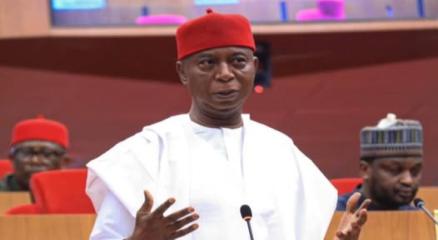
Senator Ned Nwoko, politician, businessman and husband to Nollywood actress Regina Daniels, ignited conversation across Nigeria after publicly stating that he “feels sorry for men with one wife” and implying that multiple-wife households may offer better dynamics for some men. The comment, made in a recent interview, quickly spread online and led to heated debates on culture, marriage and gender roles. In his remarks, Nwoko explained that his personal choices and cultural background inform his view. He said that while monogamy works for many, it may not suit every man — and suggested that different men require different structures depending on their goals, family size and ambitions. Background: Who is Ned Nwoko? Ned Nwoko is a high-profile figure in Nigeria: a former member of the House of Representatives, a billionaire businessman, and now a Senator representing Delta North. Known for his philanthropic work, his marriage to Regina Daniels (dramatically younger actress) and his investments in real estate and infrastructure, he’s often at the intersection of politics, entertainment and public scrutiny. His personal life is frequently in the media — and his new comment adds another layer to that visibility. Why His Comment Matters This statement resonates because it challenges deeply entrenched social and cultural norms in Nigeria. While polygamy is legal and culturally accepted in many communities, Nigeria’s modern middle and urban classes have largely adopted monogamy as the standard. A high-profile man publicly reaffirming polygamous structures provokes many implicit questions: What does it say about changing gender expectations among wealthy Nigerians? Does the message align with young Nigerians’ views on love, commitment and family? How do religious, ethical and legal frameworks engage with such commentary in an era of shifting social norms? Social Media & Public Reaction The reactions were immediate: Several fans and commentators supported his candid stance, offering views like: “If a man’s household works for him and everyone is content, who are we to judge?” Others were highly critical: “This kind of statement undermines modern marriage stability and misleads younger men who struggle with one-wife expectations.” Relationship counsellors and sociologists weighed in, noting that while plural marriages may function in certain cultural contexts, they require strong communication, fairness and clarity to avoid dysfunction. The hashtag #OneWifeOrMore trended briefly, with users from different Nigerian states discussing what marriage should look like in 2025. Implications for Nwoko & the Industry For Senator Nwoko personally, the comment may bolster his brand among certain constituencies (traditionalists, supporters of polygamous models) but may also alienate more progressive urban audiences. In the entertainment-politics crossover space, he remains a polarising figure. The statement could influence how marriage values are portrayed in Nollywood, by prompting more storylines around non-traditional family structures or prompting caution among brands when choosing brand ambassadors associated with marital controversies. What to Watch Whether Regina Daniels or other members of his household respond or comment further, which may add personal dimension to the story. Whether Nollywood productions reference or reflect this discourse in upcoming movies, especially those tackling marriage, gender roles and modern families. Brand partnerships: Will companies working with Nwoko or Daniels take any stance or shift strategy based on the mixed reactions? Public policy or religious commentary: Will any lawmakers, church bodies or community leaders publicly challenge or endorse his view — potentially driving broader debate? Conclusion Senator Ned Nwoko’s assertion that he “feels sorry for men with one wife” has stirred Nigeria’s entertainment and social media circles — not just because of the remark itself, but because of what it signals. In a society where marriage, culture and identity are under transformation, his comment forces reflection. Is monogamy still the default? Are alternative family structures gaining new legitimacy? And what does this mean for a country balancing tradition, modernity and global exposure?

Nollywood superstar Omoni Oboli has once again demonstrated her box-office power and digital appeal with the release of her latest production, Love in Every Word: The Wedding. Within just a few hours of its premiere online, the sequel surged past 1 million views, commanding attention across Nigeria and among the diaspora. The quick milestone underscores not only Oboli’s enduring star appeal but also the growing importance of digital premieres and streaming metrics in Nollywood’s evolution. Background: Omoni Oboli’s Career and Production Journey Omoni Oboli is a veteran actress, writer, producer and film entrepreneur whose career spans decades. Known for her versatile roles on screen and her strong production credentials behind the camera, she has created a brand that merges entertainment with social commentary. With companies and partnerships behind her, Oboli has steadily moved from starring in films to producing major titles — positioning herself as one of Nollywood’s influential women. Her choice to lead the sequel Love in Every Word: The Wedding reflects confidence in her creative leadership and her understanding of the digital-audience shift. The Sequel Release and Its Digital Success The sequel builds on the narrative of the original film, bringing together romance, comedy and drama in a story that resonates with Nigerian audiences and diaspora viewers alike. The marketing campaign emphasised premium visuals, star-studded cast and a digital-first release strategy. On launch day: The film crossed 1 million views within a matter of hours, signalling strong demand and share-ability. Social-media buzz peaked: hashtags related to the film trended on X and Instagram within the first 12 hours. Comments and reactions pointed to both excitement (“We’ve been waiting!”) and curiosity (“Is it better than the first?”), generating word-of-mouth momentum. The success of the digital release highlights the importance of online platforms for Nollywood — streaming, pay-per-view and digital premieres are now viable alternatives to cinema-only releases. Why This Moment Matters This news is important for several reasons: Digital transition: The rapid view count shows how Nigerian audiences are embracing digital-first releases, giving producers flexibility and wider reach beyond conventional theatres. Female production leadership: Omoni’s role as producer and lead actress puts a spotlight on women in Nollywood taking control of storytelling, business strategy and brand building. Diaspora engagement: With global distribution, Nigerian entertainers can now directly reach audiences abroad — diaspora viewers contribute to early success metrics and signal international potential. Metrics value shift: View counts, social shares and streaming-data are becoming as important as box-office figures. Success is now measured in clicks, uploads and retention, not just theatre seats. Social Media & Industry Reaction Fans celebrated the milestone, posting screenshots, hashtags and celebratory messages: “Oboli did that!” “Digital premiere of the year!” Critics weighed in: many praised the production value, cast and pacing, though some pointed out that sequels often struggle to match original impact — the view count suggests this one is off to a strong start. Industry sources say this success may encourage other Nollywood producers to pivot towards digital premieres, adopt shorter release windows and build stronger online marketing funnels. Why Omoni’s Brand Gets a Boost For Omoni Oboli: The success reinforces her credibility as a dual-talented actress-producer, not just a star on screen but a business strategist behind the camera. Brand partnerships — fashion, beauty, streaming platforms — may see increased value in aligning with her, given her ability to drive digital engagement. She captures a wider audience: younger viewers who prefer streaming, older viewers comfortable with traditional film releases, and diaspora viewers hungry for Nigerian stories. What to Watch Next Sustained performance: Will the film maintain momentum beyond its initial surge? Watch for view counts at 24-hour, 72-hour, and first-week intervals. Monetisation strategy: How this view success translates into revenue for producers, talent and platforms will be key — streaming deals, ad-revenue shares or pay-per-view models. Future projects: This success could lead Omoni’s production house to announce additional sequels, spin-offs or digital-series formats leveraging her distribution model. Industry ripple: Other Nollywood talent may adopt similar strategies — digital-first releases, bold marketing campaigns, and global audience targeting. Conclusion Omoni Oboli’s Love in Every Word: The Wedding sequel hitting over one million views in hours is a strong indication that Nollywood is undergoing a transformation. She is not simply playing a role in the film — she is leading one in the industry. For Nigerian entertainment, the changing metrics of success, the rise of female production leadership, and the global audience reach are all unfolding now. This moment is more than a milestone — it is a marker of Nollywood’s next chapter.
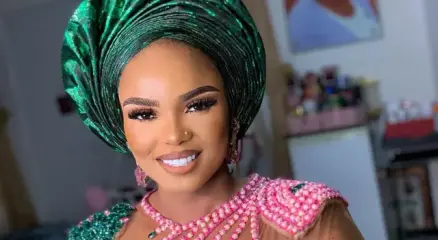
Nollywood actress Iyabo Ojo has publicly issued a stern warning to an individual impersonating her online, calling out a fake Facebook account that has allegedly been defrauding unsuspecting fans. The actress, known for her outspoken nature and heavy social media presence, revealed in a video posted recently that several followers have reported being contacted by someone pretending to be her — offering bogus acting roles, brand endorsements and “investment opportunities” under her name. In the video, Iyabo states: “This is the last warning. If I catch you using my name, you will see me come for you legally. Don’t play with people’s dreams.” She explained that the impersonator has been using her profile photo, claiming they represent her talent-management firm, and asking young actors to pay for casting submissions that never materialize. Iyabo apologized to any of her fans who have been misled and reassured them that any legitimate announcement from her will always come through her verified pages and official team. Background: Who Is Iyabo Ojo? Iyabo Ojo is a prominent Nollywood actress, producer and philanthropist whose career spans over 20 years. She has starred in dozens of films, launched a production company, and is active in charity work particularly around children’s welfare and single-parent programs. On social media, she is widely followed for her candid posts about motherhood, celebrity life, and advocacy for social issues. Her brand reputation is built on honesty, engagement with fans, and empowering younger talents. What Led to the Warning and Why It’s Significant The impersonation issue reportedly came to light after a series of young, hopeful actors reached out to Iyabo’s team complaining that they had paid significant fees — ranging from tens to hundreds of thousands of naira — for alleged auditions, training programmes and endorsements that never happened. In one case described by the actress, a fan paid ₦150,000 believing the impersonator’s claims of securing a lead role in an upcoming movie produced by Iyabo’s company. This matter is significant for several reasons: Trust and brand integrity: Celebrity impersonators erode trust between fans and stars, especially when bogus schemes exploit vulnerable young people chasing dreams. Legal ramifications: While impersonation is a known issue in Nigerian social-media spaces, high-profile warnings like this can push for better policies, digital-platform accountability and legal action. Fan protection: When a popular figure like Iyabo speaks out, it raises awareness among fans about scams, prompting greater caution and demand for transparency. Industry signal: The entertainment industry in Nigeria is increasingly aware of the need to formalise talent-acquisition processes, reduce exploitative practices, and protect novices from fraud. Social Media & Public Reaction Since the video warning dropped: Fans and followers expressed support: many praising Iyabo’s bold stance and vowing to report the impersonator. Comments ranged from “Thank you for looking out for us” to “Please help expose these scammers more.” Others shared personal experiences of being contacted similarly, showing that the problem is widespread and not limited to Nollywood big names. Some critics pointed out that celebrity impersonation is only part of a larger ecosystem of online fraud and micro-scams in Nigeria — advocating for structural solutions beyond individual calls-out. Several entertainment news forums and podcasts picked up the story, discussing “how to spot celebrity impersonator scams” and “what budding actors should know before paying for auditions.” Implications for Iyabo Ojo & Her Brand For Iyabo, this incident impacts her brand and career in important ways: Credibility boost: By proactively addressing the issue, she strengthens her reputation as an authentic, protective figure for her fans and the industry. Risk-management: The address signals that she is aware of digital-risks and willing to take steps publicly — which may make her more attractive to brands seeking secure partnerships. Opportunity for advocacy: This opens a potential new role for her: as a spokesperson for safe talent practices, digital-fraud awareness and young-actors’ rights. Business pivot: She may consider launching formal talent-platforms or verified audition sites under her brand to fill the gap that scammers exploited — turning the crisis into a business opportunity. What to Watch Whether Iyabo Ojo’s team will take legal action against the impersonator (e.g., filing a court case, police report, or working with cyber-security firms). Whether she launches a verified talent-portal or app, announcing secure methods for talent submission to avoid scam-risk. Response from fans: if awareness increases, do fewer young actors fall victim to fake offers? Wider industry response: Will other Nollywood stars issue similar warnings or collaborate on a digital-fraud awareness campaign for creatives and fans? Conclusion Iyabo Ojo’s public warning to the impersonator using her name might seem like a small story in the grand scheme of Nigerian entertainment, but it reflects a bigger shift — the reality that fame comes with digital vulnerabilities, and stars can no longer stay silent when their brand is misused. For young actors, fans and the industry at large, this moment is a reminder: dream-chasing needs caution, celebrity branding needs protection, and the online space needs smarter regulation. In a country where the entertainment industry thrives on hope, talent and ambition, protecting that hope is as important as showcasing the talent itself.

Nigerian rapper Blaqbonez has once again set social media on fire after boldly declaring that monogamy isn’t for everyone. The outspoken rapper shared his views in a recent interview, saying that his personal experiences and what he’s seen in modern relationships have convinced him that one-partner lifestyles may not fit everyone. His remarks have triggered a storm of reactions from fans, critics, and relationship experts across Nigeria and beyond — reigniting the conversation about modern love, morality, and cultural expectations in a fast-changing generation. Background: Who Is Blaqbonez? Emeka Akumefule, popularly known as Blaqbonez, has built his brand as one of Nigeria’s most outspoken and unconventional rappers. Known for his creativity, wit, and confidence, Blaqbonez first rose to prominence with viral tracks like “Haba” and “BBC (Remix)”, showcasing his ability to merge humor with serious social commentary. Over time, he has become known for breaking norms — whether it’s his fashion, lyrics, or lifestyle opinions. Blaqbonez’s personality thrives on bold statements that challenge societal expectations, and this new comment about relationships is yet another example. What He Said and Why It’s Causing Debate During the chat, Blaqbonez said that many people are forcing themselves into monogamy just to appear morally upright, even when it doesn’t align with their natural desires. According to him: “I’ve seen too many people suffer because they think monogamy is the only way. Life is short. If you can have multiple caring relationships and you’re honest about it, why force what doesn’t fit you?” This statement immediately went viral — partly because it touches on deeply rooted cultural values in Nigeria, where marriage and loyalty are seen as moral pillars. Why It Matters This isn’t just another celebrity soundbite — it reflects a wider social shift among Nigerian youth. In a country where religion and tradition still hold strong influence, younger generations are beginning to redefine what love, commitment, and partnership mean. Social media has exposed Nigerians to global conversations about polyamory, open relationships, and emotional freedom, topics that were once taboo. By speaking out, Blaqbonez has forced both fans and critics to confront their own beliefs — creating a conversation that blends culture, morality, and modern lifestyle choices. Social Media Reactions Supporters praised Blaqbonez for being honest and realistic about modern relationships. Many young Nigerians said they appreciated his openness, calling him “fearless” and “authentic.” Critics, on the other hand, accused him of promoting immorality and weakening family values. Some traditional voices argued that his message could mislead young fans. Relationship experts joined the conversation, saying that while monogamy works for many, others may genuinely prefer more flexible relationship structures — provided there’s transparency and mutual respect. The debate has since spread across X (Twitter), Instagram, TikTok, and YouTube podcasts, where influencers are now discussing whether monogamy still fits in a digital age filled with constant social connection and temptation. Impact on His Career For Blaqbonez, this isn’t just controversy — it’s brand reinforcement. His identity as a fearless, self-aware artist thrives on challenging societal norms. His boldness keeps him relevant in the entertainment scene, ensuring constant media attention and viral conversations. Some conservative fans and potential brand partners might distance themselves, but that’s often the price of staying authentic. For his audience, especially younger Nigerians, his words resonate with the idea of freedom, individuality, and non-conformity — core themes of his music and persona. In essence, this controversy could make him even more influential among Gen Z and Millennial fans. What This Means for the Nigerian Entertainment Scene This incident shows how celebrity influence extends beyond music and film — into shaping opinions, social behavior, and culture. More Nigerian artists are now openly discussing relationships, gender roles, and social issues, which were once avoided in mainstream media. From Burna Boy’s Afro-conscious lyrics to Tiwa Savage’s fearless takes on love and independence, the entertainment industry is gradually becoming a platform for social reflection. As for Blaqbonez, his statement may inspire other stars to be more transparent about their personal beliefs, further blurring the line between private life and public debate. Conclusion Whether you agree with Blaqbonez or not, his statement about monogamy has sparked one of the most thought-provoking conversations in Nigeria’s entertainment scene this month. He has reminded the public that relationships are personal, and that people should be honest with themselves rather than conforming to expectations that don’t align with who they are. Love, in Blaqbonez’s view, should be about freedom and honesty — not fear or social pressure. And while that message may be controversial, it has undeniably cemented his place as one of Nigeria’s most fearless voices in both music and culture.
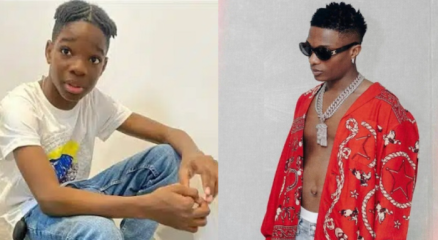
In a surprise moment that lit up social-media and the Nigerian entertainment world, 14-year-old Boluwatife Balogun — son of Afrobeats superstar Wizkid (Ayodeji Balogun) — dropped a short rap teaser that has gone massively viral. The clip, released on October 27, 2025, shows Boluwatife rhythmically delivering clever bars over a minimalist beat while intercut with studio footage, his father nodding in approval in the background. The post quickly accumulated millions of plays, thousands of reposts, and a flood of comments debating legacy, talent, and privilege. Background: Boluwatife’s Profile Boluwatife Balogun, often referred to simply as “Tife,” is the eldest son of Wizkid. Born and raised in Lagos, he has grown up in the spotlight but has largely remained out of the media glare — until now. While many children of top artists stay behind the scenes, Tife has reportedly been spending time in music-studios, learning production, songwriting and vocal performance under his father’s tutelage and with access to the musician’s international network. Industry insiders say this teaser is the first public sign of his musical ambition. The Teaser and Its Reception The video clip was posted on Boluwatife’s social-media handle and simultaneously shared by Wizkid’s official page with the caption: “Legacy in progress.” Within 24 hours: The teaser used a hashtag #TifeOnTrack and trended on X in Nigeria for several hours. Commenters praised his flow, confident delivery, and mature lyricism for his age; some compared his cadence to early tracks by Wizkid. Critics and skeptics noted the advantage he has — home-studio access, major music network, and a global platform — raising questions about fairness in the talent-ecosystem. Music-industry observers expressed cautious optimism: they pointed out the importance of artistic identity for Tife, rather than riding solely on paternal name-recognition. Why This Moment Matters Talent Pipeline Awareness The entertainment world often focuses on frontline superstars — but this moment shifts attention to the next generation. Boluwatife’s teaser suggests a growing trend: children of major artists stepping forward, potentially launching new waves of music shaped by legacy but eager to carve their own identity. Branding & Legacy Strategy For Wizkid, this move appears strategic: not only as a father proud of his son, but as a brand-owner nurturing the next chapter of his creative empire. This teaser functions as a soft launch — testing public appetite before an official debut, label deal or EP drop. Youth Music Culture in Nigeria At 14, Tife is part of Gen Z, a generation that consumes and creates music differently — with TikTok, Instagram Reels, and digital streaming being central. His emergence highlights how music talent development is shifting: younger, digitally native, and global from the start. Conversations on Privilege & Opportunity While many celebrated this moment, voices in the industry asked: “How many talented kids in underserved areas get the same chance?” The discussion is broader than one teen rapper — it touches on access, platforms and equitable opportunity in Nigeria’s creative industry. Potential Challenges & Next Steps Finding an authentic voice: Tife will need to establish his own style and not simply be “Wizkid Jr.” The danger of being overshadowed by his father is real. Expectations & pressure: With millions watching, a debut will bring expectation — lyrical depth, performance maturity, and commercial success. For a thirteen-year-old, that’s heavy. Industry reception: Record labels and promoters will watch: is this a novelty or sustained artistic journey? Support systems, management, and consistent output will matter. Balancing education, growth & publicity: At 14, academic and personal development remain key. How he balances public persona with personal growth will shape his long-term career. What to Watch Whether Boluwatife drops a full single or EP within the next 6–12 months — announcements or release dates will signal seriousness. His first live performance: Will he appear on stage with Wizkid? At a festival? That could be a major launch moment. Signing or partnership news: Will he join his father’s label imprint, or sign with a major label? Social-media strategy: How his brand will form around him — will he focus on rap, Afro-pop, sound-tech, or multi-genre? Conversations & commentary: How other industry figures — producers, writers, promoters — respond. Will they support? Critique? Collaborate? Conclusion The viral rap teaser from Boluwatife Balogun is far more than a teenage moment — it’s a signal of shifting dynamics in Nigerian music, legacy building, generational change and digital-native creativity. For the industry, it raises questions about opportunity, voice and sustainability. For fans, it invites excitement — a new talent with a major name behind him stepping onto the stage. How he moves from teaser to full artist will define his story — and perhaps, the next wave of Afrobeats evolution.
Nigerian striker Victor Osimhen lit up the Champions League with a landmark performance as his club secured a decisive victory. For fans of GistVibes, this moment adds another chapter to his growing legacy in European football. The Big Match Moment Playing away in a tough setting, Osimhen stepped up when it mattered most. His brace from the penalty spot, combined with a commanding header, helped his club dominate the match and send a strong message to Europe’s elite. His ability to calm nerves and deliver in high-pressure games stood out on show. Records Broken and Milestones Achieved With today’s showing, Osimhen climbed to the top of several record charts. He tied — and in some cases exceeded — previous Nigerian greats in European competitions. His consistency in scoring on the biggest stages shows a level of hunger and professionalism few reach. Impact Beyond One Game This isn’t just about one match. Osimhen’s form now speaks about a player who belongs at the very top. For his national team and for every young striker looking up to him, his achievements offer belief that true star talent can make a global impact. For GistVibes readers, it’s a reminder that excellence is built over time, game by game. Looking Ahead While tonight’s win is a milestone, the real test comes in staying consistent. As more high-stakes matches arrive, the focus will shift to how Osimhen and his club carry this momentum forward. His next steps will matter for his legacy — and for all those cheering him on from home. Conclusion Victor Osimhen’s historic night adds to his reputation, and for GistVibes readers, it’s a proud moment for Nigerian football. He demonstrated talent, character and timing — a combination that builds legends, not just players.
A Story of Humility, Strength, and Generational Impact: In the heart of Esanland, in a peaceful community called Ewossa, lived a man whose story continues to echo through generations — Michael Odigie. Born in 1952, Michael came into the humble yet dignified household of the Odigie family, known for their honesty, hard work, and respect within the Ewossa community. Michael was the first son, but not the eldest child. His parents were blessed with six children in total — four daughters and two sons. The last child of his mother was also a boy, making the two men the pillars of their mother’s lineage. Their beloved mother, fondly known as Nene, became a name of pride and affection, as even the grandchildren today are lovingly referred to as “Nene’s children.” Early Life and Upbringing: Life in Ewossa, like in most parts of Esanland during the 1940s and 1950s, was defined by strong family bonds and communal support. At a young age, Michael was given to a related family — the Aibegbe family — to be raised and nurtured. This was a common Esan tradition, where children were entrusted to close kin to strengthen family ties and help them learn responsibility. Michael grew up in the Aibegbe household, learning discipline, humility, and the value of hard work. He became a dependable young man who embraced every task with quiet determination. Under the guidance of his foster family, he learned the dignity of labour and the importance of service to others. Becoming a Man of the Land: Following the path of many Esan men of his generation, Michael became a farmer. He tilled the land, cultivated crops, and contributed to the food and livelihood of his people. But Michael’s story did not end in the farmlands — he was driven by curiosity and the desire to master new skills. He soon learned the Timberjack trade, becoming an expert in cutting and processing timber with the motor saw, a respected and demanding craft in Esanland at the time. Through this work, he travelled far and wide — across Ewohimi, Ekpon, Ebelle, Ewossa, Ugun, Amahor, Amahor Waterside, Ogwa, Ugbegun, Ujiogba, Ijieghudu, and even to parts of Benin such as Ehor and its surrounding areas. His reputation grew beyond Ewossa. People across Esanland knew Michael Odigie as a man of strength, humility, and unmatched work ethic. He was never one to boast, but everyone who met him respected his simplicity and generosity. Family Life and Marriage: As life blossomed, Michael found love. He married Mrs. Caro Odigie, his first wife and lifelong companion. Together, they were blessed with six wonderful children — Faith Odigie, Moses Odigie, Earnest Odigie, Otibhor Odigie, Patience Odigie, and Akhere Odigie. Caro was a strong and caring woman, remembered for her kindness and dedication to her family. Though she has since passed away, her legacy remains alive through the children she bore and the countless lives she touched. The Odigie family continues to honor her memory, saying “May her gentle soul rest in perfect peace.” Michael Also had another wife named Doris Odigie, which is his second wife, a woman from the Ehigiator family of Eguare, Ebelle, another noble Esan lineage. Their union was blessed with seven children — Obiyon Odigie, Imhona Odigie, Iyobor Odigie, Odion Odigie, Akhere Odigie, Ofona Odigie, and Osamudiamhen Odigie. Together, they built a loving home rooted in discipline, humility, and family unity. His children have since grown and are now scattered across various parts of Nigeria and beyond, carrying his name and values with pride. A Man of Strength and Humility: Those who knew Michael Odigie remember him as a man of timber and calibre — strong, humble, and deeply respected. He was simple in speech, gentle in heart, and firm in his principles. He believed in fairness, respect for elders, and service to the community. In Idumu-Ogo Quarter of Ewossa, he was widely regarded as one of the village’s most reliable and hardworking men. He helped not only his family, but also neighbours and friends, offering guidance and support whenever he could. Final Days and Everlasting Legacy: On October 6, 2010, Michael Odigie passed away, leaving behind a family deeply proud of his legacy. He was laid to rest on October 30, 2010, in his hometown of Ewossa, surrounded by his children, relatives, and well-wishers. The burial ceremony was not just a farewell — it was a celebration of a life well-lived, of a man who built his story from the soil of Esanland and left a name that time cannot erase. Today, many years after his passing, his children and grandchildren continue to honor him. His name still lives on through the generations — a reminder of love, unity, strength, and humility. Every child of the Odigie family proudly carries his name and tells his story to those who never met him — a story that began in Ewossa, and will live forever in the hearts of his people. ✍️ Written By: Imhona Michael Odigie An indigene of Ewossa, Idumu-Ogo Quarter, Esanland. Dedicated to the memory of Michael Odigie (1952–2010) — “The tree may fall, but its roots will forever hold the earth.”
INTRODUCTION Among the ancient tribes that shaped Nigeria’s cultural identity, few can rival the Esan people of Edo State — a community known for discipline, intellectualism, rich culture, and deep spiritual heritage. The Esan Tribe, sometimes mispronounced as Ishan by early Europeans, represents one of the strongest pillars of the old Edo civilization. From the sacred forests of Ewossa, Ekpon, Irrua, Ewohimi, Uromi, and Ekpoma to the bustling towns of Ubiaja, Igueben, and Oria, the Esan land (Esanland) tells a powerful story — of migration, freedom, resistance, and pride. But to truly understand Esan history, one must trace the roots back to the heart of the ancient Benin Empire, and how that empire’s internal conflicts gave birth to new independent Edo-speaking nations. 🏰 THE ORIGINS — ESCAPE FROM TYRANNY Historical accounts and oral traditions agree that the Esan people originated from migrant Edo (Benin) settlers who fled the old Benin Kingdom around the 15th century. During that time, some Obas (Benin kings) became increasingly authoritarian, imposing heavy labor, military conscription, and excessive tributes. The harsh conditions forced many families, warriors, hunters, and priests to flee eastward into the forests seeking peace and autonomy. These migrants established new communities in the highlands — the present-day Esanland. The word “Esan” itself evolved from the Benin term “E san fian”, meaning “They have fled.” But this was no act of cowardice — it was an act of defiance and courage, the birth of a free people determined to live by their own laws. ⚖️ THE STRUCTURE OF ESAN SOCIETY The Esan people built an organized and democratic system. Each settlement became a kingdom led by an Onojie (King), supported by councils of elders and chiefs. These Onojies were not absolute rulers like the Oba of Benin — they ruled through consensus, spiritual guidance, and moral authority. Each Esan kingdom — from Uromi to Ewohimi, Ekpoma, Ewossa, Ekpon, and Igueben — maintained internal independence, but they shared language, culture, and blood ties. This structure made Esanland one of the most stable pre-colonial societies in southern Nigeria. ⚔️ THE BENIN CONNECTION — BLOOD, WAR, AND ALLIANCE Despite their separation, Esan and Benin remained connected by blood and heritage. Many Esan Onojies were descendants of Benin princes, while others maintained friendly alliances through trade and marriage. During wars, Esan warriors often came to Benin’s aid — notably during conflicts against invaders from the north and neighboring Yoruba territories. However, this relationship was complex. Some Obas tried to reassert dominance over Esanland, leading to several wars. Yet the Esan always defended their autonomy fiercely, earning a reputation as fearless and loyal fighters. The Benin monarchy eventually respected Esan independence — understanding that Esanland’s loyalty came not from fear, but from kinship and honor. 🌾 LIFE AND CULTURE IN ESANLAND The Esan people are predominantly farmers, hunters, blacksmiths, and weavers. The fertile lands and rolling hills made agriculture the backbone of their economy. Crops like yam, cassava, cocoyam, maize, and palm produce sustained families and communities for centuries. Esan culture values hard work, integrity, and communal living. In every Esan town, from Idumuogo in Ewossa to Eguare in Ekpoma, neighbors treat one another as family. Respect for elders and ancestral heritage is deeply rooted in their worldview. 💫 SPIRITUAL LIFE AND RELIGIOUS BELIEFS Spirituality in Esanland is sacred, orderly, and symbolic. The supreme being, Osenobulua, is seen as the creator of all life — benevolent but just. Every Esan person is believed to have a guardian spirit called Ehi, which connects them to the ancestors and the divine. Families maintain shrines called Ukhure, where ancestral offerings and prayers are made. Traditional festivals like Ihuen, Ewere, and Iruen reflect gratitude, purification, and renewal. They include dancing, drumming, masquerades, and sacrifices that celebrate life and honor the spirits. 🏡 THE ROLE OF WOMEN IN ESAN SOCIETY Women play vital roles in Esan culture. They are not just homemakers but community builders, traders, and priestesses. In ancient Esanland, women organized market systems, led fertility rituals, and influenced political decisions. The Omu Esan (queen mother) held spiritual power and was regarded as the custodian of peace and prosperity. Even today, Esan women continue this legacy of strength — dominating education, healthcare, and politics within Edo State and beyond. 🎓 EDUCATION AND INTELLECTUALISM One of the most remarkable aspects of Esan identity is their love for education. From the early 20th century, Esanland produced some of Nigeria’s most accomplished scholars, teachers, and administrators. Names like Prof. Ambrose Alli, Chief Tony Anenih, Chief Tom Ikimi, and Dr. Christopher Okojie are remembered for their leadership and impact on Nigerian development. Education, for the Esan, is not just a pursuit of knowledge — it is a symbol of freedom and civilization. 🌐 LINKING ESAN WITH OTHER EDO-SPEAKING PEOPLES While Esan people developed their own unique identity, they are part of a greater Edo-speaking family — a linguistic and cultural network that includes Benin (Edo proper), Afemai (Etsako), Ora (Owan), and Akoko-Edo. Each group shares common Edoid language roots, belief systems, and historical ties to the ancient Benin civilization. However, Esan’s difference lies in their early independence and resistance, making them the only Edo-speaking group that built a confederation outside Benin’s direct control. Thus, the Esan story becomes a mirror — showing how freedom and unity can coexist with respect for tradition. 🕊️ COLONIALISM AND MODERNIZATION The coming of the British in the late 19th century changed everything. Colonial officers imposed taxes, Christianity, and foreign laws that weakened traditional institutions. Some Onojies resisted — notably in Uromi and Ewohimi, where battles were fought to defend Esan sovereignty. However, Esan resilience prevailed. The people embraced Western education while retaining their traditions — blending modern governance with ancient wisdom. This balance explains why Esanland remains one of the most peaceful, educated, and progressive regions in Nigeria today. 🔥 THE MODERN ESAN IDENTITY In today’s Nigeria, the Esan Tribe stands out for their unity, intellect, and leadership. They occupy key positions in politics, academia, and entertainment. Esan youths are reviving traditional music, attire, and proverbs — while promoting tourism through cultural festivals and social media movements like #ProudlyEsan. Towns like Ewossa, Igueben, Ekpon, Ewohimi and Other parts of Esan maintain their strong sense of brotherhood and pride, showing that the spirit of their ancestors still lives on. 🏘️ MAJOR COMMUNITIES AND KINGDOMS IN ESANLAND Esanland is divided into five major Local Government Areas (LGAs) — each made up of ancient kingdoms, towns, and villages with rich traditions and unique dialects. Despite modernization, these communities maintain their traditional rulership and cultural identity under their various Onojies (Kings). Below is a detailed list of the key Esan communities and towns: 1️⃣ Esan Central Local Government Area Headquarters: Irrua Prominent Onojie: His Royal Highness Alhaji William Momodu II (Ojirrua of Irrua) Major Communities and Towns: Irrua (Eguare Irrua) Ebelle Ewu Opoji Ugbegun Ugbegun-Eguare Igueben (partially connected) Ujemen Urohi Idumoza Eko Amahor Opoji-Eguare Afuda Cultural Note: Esan Central is known for its annual Irrua Eguare Festival and for producing some of Esanland’s most respected traditional rulers and scholars. 2️⃣ Esan North-East Local Government Area Headquarters: Uromi Prominent Onojie: HRH Anslem Aidenojie II (Ojuromi of Uromi) Major Communities and Towns: Uromi (Eguare Uromi) Uzea Uwalor Arue Amedokhian Eror Efandion Ugboha Uromi-Uzea Axis Amedeokhian Ebhoyi Ebhoiyi Cultural Note: Uromi remains one of the largest and most politically influential Esan kingdoms, known for courageous warriors, high literacy rate, and activism. 3️⃣ Esan South-East Local Government Area Headquarters: Ubiaja Prominent Onojie: HRH Zaiki Aidenojie (Onojie of Ubiaja) Major Communities and Towns: Ubiaja (Eguare Ubiaja) Ewohimi Ewatto Ohordua Emu Inyenlen Okhuessan Idumebo Igueben (border area) Udo Ugbegun axis Cultural Note: This region is rich in ancient shrines, blacksmithing, and herbal medicine traditions. Ewohimi and Ewatto are famous for spiritual fortitude and historic temples. 4️⃣ Esan West Local Government Area Headquarters: Ekpoma Prominent Onojie: HRH Anthony Abumere II (Onojie of Ekpoma) Major Communities and Towns: Ekpoma (Eguare Ekpoma) Iruekpen Ujoelen Ihumudumu Urohi Eguare Ujemen Irua-Ujemen Emuhi Ukhun Illeh Idoa Ugbegun-Ujiogba Cultural Note: Home to Ambrose Alli University (AAU), Ekpoma is the educational hub of Esanland and a melting pot of traditional and modern lifestyles. 5️⃣ Igueben Local Government Area Headquarters: Igueben Town Prominent Onojie: HRH Ehizogie Eluojerior I (Onojie of Igueben) Major Communities and Towns: Igueben (Eguare Igueben) Ewossa Ekpon Ugun Amahor Idumeka Egbiki Ebelle Afuda Ogwa Ujiogba Cultural Note: Igueben is regarded as the gateway to Esanland, sharing boundaries with Delta and Benin territories. Towns like Ewossa and Ekpon are known for their unity, deep ancestral spirituality, and long-standing independence from Benin rule. 🗺️ OTHER MINOR AND BORDER COMMUNITIES Beyond the five LGAs, Esan people can also be found in border towns such as: Igueben-Ugbegun Axis (Edo Central–South boundary) Ugbegun-Okhuesan Forest Belt Esan settlements in Edo North and Delta borders Some Esan families migrated to areas like Agbor, Idumuje, and Umunede (Delta State) — preserving their Esan surnames, language, and culture despite relocation. 📖 ABOUT THE WRITER This detailed historical record was written by IMHONA MICHAEL ODIGIE, an indigene of Ewossa (Idumuogo Quarter), Igueben Local Government, Edo State. He is dedicated to preserving the authentic oral and written heritage of the Esan people and promoting Edo unity through education, research, and storytelling. 📜 CONCLUSION The Esan story is more than history — it’s a legacy of freedom, knowledge, and pride. Born from migration and struggle, refined by wisdom, and strengthened by culture, the Esan people continue to inspire generations within and beyond Edo State. Their secret lies not in their past alone, but in their ability to honor their roots while embracing the future — standing tall as one of Africa’s most intelligent and peaceful tribes.
Deep in the central part of Edo State, within Igueben Local Government Area, lies a vibrant Esan community known as Ewossa — a town proud of its heritage, culture, and collective spirit. Ewossa represents one of the oldest and most united communities in Esanland, with a deep sense of identity that continues to thrive even in modern times. 📍 Location and Political Division Ewossa is officially recognized as Ward 9 under Igueben Local Government Area, Edo Central Senatorial District. It shares boundaries with Ekpon and other smaller surrounding villages within the Esan region. Despite common misconceptions, Ewossa is not historically connected to the Benin Kingdom, but rather forms part of the independent Esan tribe, which developed its own governance and traditions long before colonial contact. 🏘️ Quarters and Community Structure Ewossa is made up of different main quarters, each representing family lineages and traditional roots that define the town’s social structure: Idumu-Ogo Ikokogbe Eguare Ikekiala Idumu-Agbor Idumu-Egha Idumu-Obo Idumu-Oliha Ujielu Each quarter plays a role in community decision-making, festival organization, and youth development. Together, they form the core of Ewossa’s traditional administration. 👑 Traditional Leadership At the head of the community stands the Onogie of Ewossa, who serves as the custodian of the town’s customs, values, and traditional laws. The Onogie’s palace is located in Eguare, which is considered the royal heart of Ewossa. The Onogie is supported by a council of elders and titled chiefs who oversee peace, justice, and development at the local level. Community disputes, land issues, and cultural matters are resolved using traditional Esan systems of mediation that emphasize dialogue, respect, and fairness. 🪶 History and Heritage Ewossa’s history reflects the deep roots of the Esan ethnic nation — a people known for self-governance, communal strength, and respect for ancestral traditions. Unlike some Esan towns that trace origin stories to Benin migrations, Ewossa’s oral history speaks of an indigenous Esan lineage, with its own founding ancestors who established the settlement on fertile lands ideal for farming and living in harmony with nature. Over the centuries, Ewossa has maintained a reputation for hospitality, peaceful coexistence, and resilience in times of change. 🌾 Economy and Occupation Agriculture remains the mainstay of Ewossa’s local economy. The people are predominantly farmers, cultivating crops such as: Yam Cassava Maize Plantain Palm produce Vegetables and cocoyam Market days are lively, with traders from nearby communities coming to exchange goods, produce, and cultural stories. The youth also engage in craftwork, transportation, and small-scale business. 🏫 Education and Youth Development Ewossa values education highly. The community has several primary and secondary schools serving both local pupils and students from neighbouring areas. Over the years, educated sons and daughters of Ewossa — many now living in urban cities and abroad — have contributed to school renovations, scholarships, and youth empowerment programs. Recent initiatives by private individuals and NGOs continue to support education and healthcare access, showing that Ewossa’s progress is driven by its people. 🎭 Festivals and Cultural Identity Ewossa’s cultural life is rich and colorful, with traditional ceremonies marking various stages of life and community events. Among the most important are: Igue Festival – Celebrated annually to mark the end of the year and purification of the land. New Yam Festival – A harvest celebration showing gratitude to the gods for bountiful produce. Age-grade ceremonies – Recognizing transitions from youth to adulthood and community service. Traditional dances, songs, and masquerades add rhythm and colour to Ewossa’s festivals, attracting indigenes from across Nigeria and the diaspora. 💫 Religion and Beliefs While Christianity has become dominant, traditional beliefs still hold symbolic importance. Ancestral worship, moral codes, and respect for elders remain vital in maintaining social harmony. Many families blend traditional rites with modern faith practices. 🌍 Modern Development and Diaspora Involvement Today, Ewossa continues to grow with improved road access, better schools, and new social projects supported by indigenes both at home and abroad. The Ewossa Development Association (EDA), along with local youth and women’s groups, plays a key role in uniting the community and promoting grassroots progress. Ewossa sons and daughters in the diaspora often return during festive periods, bringing not only gifts but also knowledge, resources, and investments aimed at uplifting the town’s living standards. 💬 Ewossa’s Place in Esanland As part of the broader Esan cultural family, Ewossa shares language, traditional values, and ancestral pride with other Esan towns such as Ekpon, Igueben, and Uromi. However, Ewossa maintains its distinct identity, proud dialect, and historical independence — qualities that make it one of the most respected towns in Esanland. ✍️ About the Writer This detailed historical and cultural account of Ewossa was written by Imhona Michael Odigie, an indigene of Ewossa community, proudly from Idumu-Ogo Quarter. Imhona Michael Odigie is deeply passionate about preserving Esan history, promoting community awareness, and documenting cultural heritage for future generations. His writings focus on storytelling that connects the roots of Esan identity with modern development in Edo State and across Nigeria. Through research, personal experience, and firsthand knowledge, he continues to shed light on the traditions, values, and progress of the Ewossa people — ensuring that the rich history of Ward 9, Igueben LGA, remains alive for indigenes at home and abroad.
In a dramatic turn of events at the Federal High Court, Abuja, the leader of the Indigenous People of Biafra (IPOB), Nnamdi Kanu, has disengaged his entire defence legal team and opted to handle his case personally. The decision came during Thursday’s court session, shortly before the continuation of his terrorism-related trial. His former lead counsel, Kanu Agabi (SAN), informed the court that his client had chosen to represent himself. “A number of voices have been defending Nnamdi, and he has decided to conduct his defence by himself,” Agabi stated. “We respect his decision and wish him well.” Following this announcement, the legal representatives formally withdrew from the case and left the courtroom. Ongoing Trial and Medical Evaluation Kanu has been standing trial since 2015 on multiple charges bordering on terrorism and calls for the secession of Nigeria’s South-East region. His ongoing detention and trial have sparked wide national and international attention. The court was set to hear the opening of the defence proceedings when the sudden disengagement occurred. Reports suggest that the move might cause delays as Kanu decides whether to continue representing himself or appoint a new legal team later. Prior to this development, Kanu’s lawyers had applied for his transfer to the National Hospital Abuja, citing medical reasons. However, a panel set up by the Nigerian Medical Association (NMA) later certified him fit for trial after an independent medical examination. Possible Change in Legal Strategy Kanu had also filed a motion naming several government and security officials as potential witnesses in his defence, indicating that he intends to take an active role in his case. This latest move has raised fresh speculation about internal disagreements and possible changes in legal strategy. As of press time, no official statement has been released by the IPOB leader or his representatives explaining the reason behind the decision.