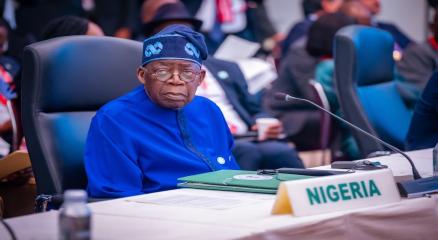
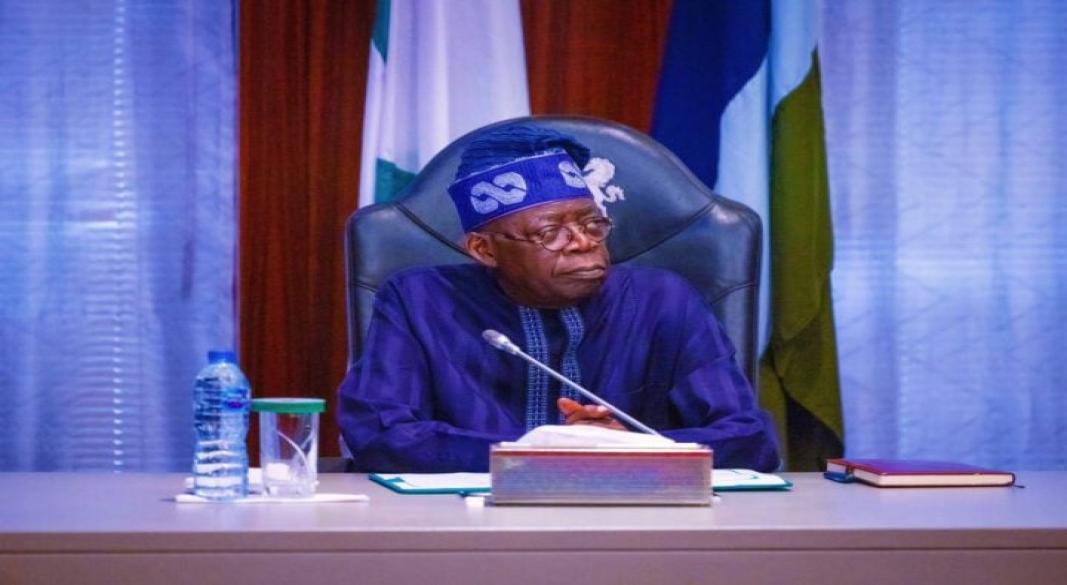
President Bola Tinubu on Monday held an emergency meeting with Nigeria’s top energy regulators and service chiefs at the Presidential Villa, Abuja, after a nationwide power grid collapse plunged multiple states into blackout overnight. The meeting, which started around 11:30 a.m. inside the Council Chamber, was attended by the Minister of Power, Chief Adebayo Adelabu; the Group Managing Director of the Transmission Company; senior engineers from the National Control Centre; and security officials from the Office of the National Security Adviser.
Also present were the Chief of Defence Staff, General Christopher Musa; the Inspector-General of Police, Kayode Egbetokun; and senior officers responsible for protecting critical national infrastructure. The Secretary to the Government of the Federation, Senator George Akume, and the President’s Chief of Staff, Femi Gbajabiamila, joined the session as the technical reports were presented.
During the briefing, the Minister of Power explained that the grid collapsed at about 2:19 a.m. following what he described as “a sudden frequency imbalance” in the system. He outlined the states affected, listed ongoing repair efforts and identified substations under pressure. The President listened as transmission experts used digital screens to illustrate the fault sequence. A senior engineer from the Transmission Company told Attendees that the incident was “one of the most disruptive drops in recent months.”
The President, speaking firmly, ordered a full investigation to uncover the cause of the repeated collapses, directing the Ministry of Power to submit a written report within 72 hours. He also instructed the Inspector-General of Police and the Chief of Defence Staff to increase surveillance on power installations, warning that sabotage could not be ruled out until intelligence assessments were completed. “National infrastructure must not continue to fail without accountability,” he told those in the room.
After the meeting, the Minister of Power addressed journalists stationed at the Villa’s press corridor. He assured Nigerians that partial supply had already been restored in several states and promised that engineers were working round the clock to stabilize the grid. The National Security Adviser’s representative also spoke briefly, saying security agencies had widened monitoring of transmission lines, substations, and load centres across the country.
Reaction across the country has been swift. Industry experts, labour groups and citizens online expressed frustration that grid collapses remain frequent despite previous interventions. Some energy analysts said the involvement of service chiefs signalled a shift in government attitude, treating the grid failure not only as a technical issue but as a potential national security risk.
As work continues to stabilize the system, Nigerians wait to see whether the new directives will produce lasting results or simply blend into the long list of previous Promises . GistVibes will track every update on the investigation, recovery efforts and public reaction as this situation unfolds.
Nigerian striker Victor Osimhen lit up the Champions League with a landmark performance as his club secured a decisive victory. For fans of GistVibes, this moment adds another chapter to his growing legacy in European football. The Big Match Moment Playing away in a tough setting, Osimhen stepped up when it mattered most. His brace from the penalty spot, combined with a commanding header, helped his club dominate the match and send a strong message to Europe’s elite. His ability to calm nerves and deliver in high-pressure games stood out on show. Records Broken and Milestones Achieved With today’s showing, Osimhen climbed to the top of several record charts. He tied — and in some cases exceeded — previous Nigerian greats in European competitions. His consistency in scoring on the biggest stages shows a level of hunger and professionalism few reach. Impact Beyond One Game This isn’t just about one match. Osimhen’s form now speaks about a player who belongs at the very top. For his national team and for every young striker looking up to him, his achievements offer belief that true star talent can make a global impact. For GistVibes readers, it’s a reminder that excellence is built over time, game by game. Looking Ahead While tonight’s win is a milestone, the real test comes in staying consistent. As more high-stakes matches arrive, the focus will shift to how Osimhen and his club carry this momentum forward. His next steps will matter for his legacy — and for all those cheering him on from home. Conclusion Victor Osimhen’s historic night adds to his reputation, and for GistVibes readers, it’s a proud moment for Nigerian football. He demonstrated talent, character and timing — a combination that builds legends, not just players.
A Story of Humility, Strength, and Generational Impact: In the heart of Esanland, in a peaceful community called Ewossa, lived a man whose story continues to echo through generations — Michael Odigie. Born in 1952, Michael came into the humble yet dignified household of the Odigie family, known for their honesty, hard work, and respect within the Ewossa community. Michael was the first son, but not the eldest child. His parents were blessed with six children in total — four daughters and two sons. The last child of his mother was also a boy, making the two men the pillars of their mother’s lineage. Their beloved mother, fondly known as Nene, became a name of pride and affection, as even the grandchildren today are lovingly referred to as “Nene’s children.” Early Life and Upbringing: Life in Ewossa, like in most parts of Esanland during the 1940s and 1950s, was defined by strong family bonds and communal support. At a young age, Michael was given to a related family — the Aibegbe family — to be raised and nurtured. This was a common Esan tradition, where children were entrusted to close kin to strengthen family ties and help them learn responsibility. Michael grew up in the Aibegbe household, learning discipline, humility, and the value of hard work. He became a dependable young man who embraced every task with quiet determination. Under the guidance of his foster family, he learned the dignity of labour and the importance of service to others. Becoming a Man of the Land: Following the path of many Esan men of his generation, Michael became a farmer. He tilled the land, cultivated crops, and contributed to the food and livelihood of his people. But Michael’s story did not end in the farmlands — he was driven by curiosity and the desire to master new skills. He soon learned the Timberjack trade, becoming an expert in cutting and processing timber with the motor saw, a respected and demanding craft in Esanland at the time. Through this work, he travelled far and wide — across Ewohimi, Ekpon, Ebelle, Ewossa, Ugun, Amahor, Amahor Waterside, Ogwa, Ugbegun, Ujiogba, Ijieghudu, and even to parts of Benin such as Ehor and its surrounding areas. His reputation grew beyond Ewossa. People across Esanland knew Michael Odigie as a man of strength, humility, and unmatched work ethic. He was never one to boast, but everyone who met him respected his simplicity and generosity. Family Life and Marriage: As life blossomed, Michael found love. He married Mrs. Caro Odigie, his first wife and lifelong companion. Together, they were blessed with six wonderful children — Faith Odigie, Moses Odigie, Earnest Odigie, Otibhor Odigie, Patience Odigie, and Akhere Odigie. Caro was a strong and caring woman, remembered for her kindness and dedication to her family. Though she has since passed away, her legacy remains alive through the children she bore and the countless lives she touched. The Odigie family continues to honor her memory, saying “May her gentle soul rest in perfect peace.” Michael Also had another wife named Doris Odigie, which is his second wife, a woman from the Ehigiator family of Eguare, Ebelle, another noble Esan lineage. Their union was blessed with seven children — Obiyon Odigie, Imhona Odigie, Iyobor Odigie, Odion Odigie, Akhere Odigie, Ofona Odigie, and Osamudiamhen Odigie. Together, they built a loving home rooted in discipline, humility, and family unity. His children have since grown and are now scattered across various parts of Nigeria and beyond, carrying his name and values with pride. A Man of Strength and Humility: Those who knew Michael Odigie remember him as a man of timber and calibre — strong, humble, and deeply respected. He was simple in speech, gentle in heart, and firm in his principles. He believed in fairness, respect for elders, and service to the community. In Idumu-Ogo Quarter of Ewossa, he was widely regarded as one of the village’s most reliable and hardworking men. He helped not only his family, but also neighbours and friends, offering guidance and support whenever he could. Final Days and Everlasting Legacy: On October 6, 2010, Michael Odigie passed away, leaving behind a family deeply proud of his legacy. He was laid to rest on October 30, 2010, in his hometown of Ewossa, surrounded by his children, relatives, and well-wishers. The burial ceremony was not just a farewell — it was a celebration of a life well-lived, of a man who built his story from the soil of Esanland and left a name that time cannot erase. Today, many years after his passing, his children and grandchildren continue to honor him. His name still lives on through the generations — a reminder of love, unity, strength, and humility. Every child of the Odigie family proudly carries his name and tells his story to those who never met him — a story that began in Ewossa, and will live forever in the hearts of his people. ✍️ Written By: Imhona Michael Odigie An indigene of Ewossa, Idumu-Ogo Quarter, Esanland. Dedicated to the memory of Michael Odigie (1952–2010) — “The tree may fall, but its roots will forever hold the earth.”
INTRODUCTION Among the ancient tribes that shaped Nigeria’s cultural identity, few can rival the Esan people of Edo State — a community known for discipline, intellectualism, rich culture, and deep spiritual heritage. The Esan Tribe, sometimes mispronounced as Ishan by early Europeans, represents one of the strongest pillars of the old Edo civilization. From the sacred forests of Ewossa, Ekpon, Irrua, Ewohimi, Uromi, and Ekpoma to the bustling towns of Ubiaja, Igueben, and Oria, the Esan land (Esanland) tells a powerful story — of migration, freedom, resistance, and pride. But to truly understand Esan history, one must trace the roots back to the heart of the ancient Benin Empire, and how that empire’s internal conflicts gave birth to new independent Edo-speaking nations. 🏰 THE ORIGINS — ESCAPE FROM TYRANNY Historical accounts and oral traditions agree that the Esan people originated from migrant Edo (Benin) settlers who fled the old Benin Kingdom around the 15th century. During that time, some Obas (Benin kings) became increasingly authoritarian, imposing heavy labor, military conscription, and excessive tributes. The harsh conditions forced many families, warriors, hunters, and priests to flee eastward into the forests seeking peace and autonomy. These migrants established new communities in the highlands — the present-day Esanland. The word “Esan” itself evolved from the Benin term “E san fian”, meaning “They have fled.” But this was no act of cowardice — it was an act of defiance and courage, the birth of a free people determined to live by their own laws. ⚖️ THE STRUCTURE OF ESAN SOCIETY The Esan people built an organized and democratic system. Each settlement became a kingdom led by an Onojie (King), supported by councils of elders and chiefs. These Onojies were not absolute rulers like the Oba of Benin — they ruled through consensus, spiritual guidance, and moral authority. Each Esan kingdom — from Uromi to Ewohimi, Ekpoma, Ewossa, Ekpon, and Igueben — maintained internal independence, but they shared language, culture, and blood ties. This structure made Esanland one of the most stable pre-colonial societies in southern Nigeria. ⚔️ THE BENIN CONNECTION — BLOOD, WAR, AND ALLIANCE Despite their separation, Esan and Benin remained connected by blood and heritage. Many Esan Onojies were descendants of Benin princes, while others maintained friendly alliances through trade and marriage. During wars, Esan warriors often came to Benin’s aid — notably during conflicts against invaders from the north and neighboring Yoruba territories. However, this relationship was complex. Some Obas tried to reassert dominance over Esanland, leading to several wars. Yet the Esan always defended their autonomy fiercely, earning a reputation as fearless and loyal fighters. The Benin monarchy eventually respected Esan independence — understanding that Esanland’s loyalty came not from fear, but from kinship and honor. 🌾 LIFE AND CULTURE IN ESANLAND The Esan people are predominantly farmers, hunters, blacksmiths, and weavers. The fertile lands and rolling hills made agriculture the backbone of their economy. Crops like yam, cassava, cocoyam, maize, and palm produce sustained families and communities for centuries. Esan culture values hard work, integrity, and communal living. In every Esan town, from Idumuogo in Ewossa to Eguare in Ekpoma, neighbors treat one another as family. Respect for elders and ancestral heritage is deeply rooted in their worldview. 💫 SPIRITUAL LIFE AND RELIGIOUS BELIEFS Spirituality in Esanland is sacred, orderly, and symbolic. The supreme being, Osenobulua, is seen as the creator of all life — benevolent but just. Every Esan person is believed to have a guardian spirit called Ehi, which connects them to the ancestors and the divine. Families maintain shrines called Ukhure, where ancestral offerings and prayers are made. Traditional festivals like Ihuen, Ewere, and Iruen reflect gratitude, purification, and renewal. They include dancing, drumming, masquerades, and sacrifices that celebrate life and honor the spirits. 🏡 THE ROLE OF WOMEN IN ESAN SOCIETY Women play vital roles in Esan culture. They are not just homemakers but community builders, traders, and priestesses. In ancient Esanland, women organized market systems, led fertility rituals, and influenced political decisions. The Omu Esan (queen mother) held spiritual power and was regarded as the custodian of peace and prosperity. Even today, Esan women continue this legacy of strength — dominating education, healthcare, and politics within Edo State and beyond. 🎓 EDUCATION AND INTELLECTUALISM One of the most remarkable aspects of Esan identity is their love for education. From the early 20th century, Esanland produced some of Nigeria’s most accomplished scholars, teachers, and administrators. Names like Prof. Ambrose Alli, Chief Tony Anenih, Chief Tom Ikimi, and Dr. Christopher Okojie are remembered for their leadership and impact on Nigerian development. Education, for the Esan, is not just a pursuit of knowledge — it is a symbol of freedom and civilization. 🌐 LINKING ESAN WITH OTHER EDO-SPEAKING PEOPLES While Esan people developed their own unique identity, they are part of a greater Edo-speaking family — a linguistic and cultural network that includes Benin (Edo proper), Afemai (Etsako), Ora (Owan), and Akoko-Edo. Each group shares common Edoid language roots, belief systems, and historical ties to the ancient Benin civilization. However, Esan’s difference lies in their early independence and resistance, making them the only Edo-speaking group that built a confederation outside Benin’s direct control. Thus, the Esan story becomes a mirror — showing how freedom and unity can coexist with respect for tradition. 🕊️ COLONIALISM AND MODERNIZATION The coming of the British in the late 19th century changed everything. Colonial officers imposed taxes, Christianity, and foreign laws that weakened traditional institutions. Some Onojies resisted — notably in Uromi and Ewohimi, where battles were fought to defend Esan sovereignty. However, Esan resilience prevailed. The people embraced Western education while retaining their traditions — blending modern governance with ancient wisdom. This balance explains why Esanland remains one of the most peaceful, educated, and progressive regions in Nigeria today. 🔥 THE MODERN ESAN IDENTITY In today’s Nigeria, the Esan Tribe stands out for their unity, intellect, and leadership. They occupy key positions in politics, academia, and entertainment. Esan youths are reviving traditional music, attire, and proverbs — while promoting tourism through cultural festivals and social media movements like #ProudlyEsan. Towns like Ewossa, Igueben, Ekpon, Ewohimi and Other parts of Esan maintain their strong sense of brotherhood and pride, showing that the spirit of their ancestors still lives on. 🏘️ MAJOR COMMUNITIES AND KINGDOMS IN ESANLAND Esanland is divided into five major Local Government Areas (LGAs) — each made up of ancient kingdoms, towns, and villages with rich traditions and unique dialects. Despite modernization, these communities maintain their traditional rulership and cultural identity under their various Onojies (Kings). Below is a detailed list of the key Esan communities and towns: 1️⃣ Esan Central Local Government Area Headquarters: Irrua Prominent Onojie: His Royal Highness Alhaji William Momodu II (Ojirrua of Irrua) Major Communities and Towns: Irrua (Eguare Irrua) Ebelle Ewu Opoji Ugbegun Ugbegun-Eguare Igueben (partially connected) Ujemen Urohi Idumoza Eko Amahor Opoji-Eguare Afuda Cultural Note: Esan Central is known for its annual Irrua Eguare Festival and for producing some of Esanland’s most respected traditional rulers and scholars. 2️⃣ Esan North-East Local Government Area Headquarters: Uromi Prominent Onojie: HRH Anslem Aidenojie II (Ojuromi of Uromi) Major Communities and Towns: Uromi (Eguare Uromi) Uzea Uwalor Arue Amedokhian Eror Efandion Ugboha Uromi-Uzea Axis Amedeokhian Ebhoyi Ebhoiyi Cultural Note: Uromi remains one of the largest and most politically influential Esan kingdoms, known for courageous warriors, high literacy rate, and activism. 3️⃣ Esan South-East Local Government Area Headquarters: Ubiaja Prominent Onojie: HRH Zaiki Aidenojie (Onojie of Ubiaja) Major Communities and Towns: Ubiaja (Eguare Ubiaja) Ewohimi Ewatto Ohordua Emu Inyenlen Okhuessan Idumebo Igueben (border area) Udo Ugbegun axis Cultural Note: This region is rich in ancient shrines, blacksmithing, and herbal medicine traditions. Ewohimi and Ewatto are famous for spiritual fortitude and historic temples. 4️⃣ Esan West Local Government Area Headquarters: Ekpoma Prominent Onojie: HRH Anthony Abumere II (Onojie of Ekpoma) Major Communities and Towns: Ekpoma (Eguare Ekpoma) Iruekpen Ujoelen Ihumudumu Urohi Eguare Ujemen Irua-Ujemen Emuhi Ukhun Illeh Idoa Ugbegun-Ujiogba Cultural Note: Home to Ambrose Alli University (AAU), Ekpoma is the educational hub of Esanland and a melting pot of traditional and modern lifestyles. 5️⃣ Igueben Local Government Area Headquarters: Igueben Town Prominent Onojie: HRH Ehizogie Eluojerior I (Onojie of Igueben) Major Communities and Towns: Igueben (Eguare Igueben) Ewossa Ekpon Ugun Amahor Idumeka Egbiki Ebelle Afuda Ogwa Ujiogba Cultural Note: Igueben is regarded as the gateway to Esanland, sharing boundaries with Delta and Benin territories. Towns like Ewossa and Ekpon are known for their unity, deep ancestral spirituality, and long-standing independence from Benin rule. 🗺️ OTHER MINOR AND BORDER COMMUNITIES Beyond the five LGAs, Esan people can also be found in border towns such as: Igueben-Ugbegun Axis (Edo Central–South boundary) Ugbegun-Okhuesan Forest Belt Esan settlements in Edo North and Delta borders Some Esan families migrated to areas like Agbor, Idumuje, and Umunede (Delta State) — preserving their Esan surnames, language, and culture despite relocation. 📖 ABOUT THE WRITER This detailed historical record was written by IMHONA MICHAEL ODIGIE, an indigene of Ewossa (Idumuogo Quarter), Igueben Local Government, Edo State. He is dedicated to preserving the authentic oral and written heritage of the Esan people and promoting Edo unity through education, research, and storytelling. 📜 CONCLUSION The Esan story is more than history — it’s a legacy of freedom, knowledge, and pride. Born from migration and struggle, refined by wisdom, and strengthened by culture, the Esan people continue to inspire generations within and beyond Edo State. Their secret lies not in their past alone, but in their ability to honor their roots while embracing the future — standing tall as one of Africa’s most intelligent and peaceful tribes.
Deep in the central part of Edo State, within Igueben Local Government Area, lies a vibrant Esan community known as Ewossa — a town proud of its heritage, culture, and collective spirit. Ewossa represents one of the oldest and most united communities in Esanland, with a deep sense of identity that continues to thrive even in modern times. 📍 Location and Political Division Ewossa is officially recognized as Ward 9 under Igueben Local Government Area, Edo Central Senatorial District. It shares boundaries with Ekpon and other smaller surrounding villages within the Esan region. Despite common misconceptions, Ewossa is not historically connected to the Benin Kingdom, but rather forms part of the independent Esan tribe, which developed its own governance and traditions long before colonial contact. 🏘️ Quarters and Community Structure Ewossa is made up of different main quarters, each representing family lineages and traditional roots that define the town’s social structure: Idumu-Ogo Ikokogbe Eguare Ikekiala Idumu-Agbor Idumu-Egha Idumu-Obo Idumu-Oliha Ujielu Each quarter plays a role in community decision-making, festival organization, and youth development. Together, they form the core of Ewossa’s traditional administration. 👑 Traditional Leadership At the head of the community stands the Onogie of Ewossa, who serves as the custodian of the town’s customs, values, and traditional laws. The Onogie’s palace is located in Eguare, which is considered the royal heart of Ewossa. The Onogie is supported by a council of elders and titled chiefs who oversee peace, justice, and development at the local level. Community disputes, land issues, and cultural matters are resolved using traditional Esan systems of mediation that emphasize dialogue, respect, and fairness. 🪶 History and Heritage Ewossa’s history reflects the deep roots of the Esan ethnic nation — a people known for self-governance, communal strength, and respect for ancestral traditions. Unlike some Esan towns that trace origin stories to Benin migrations, Ewossa’s oral history speaks of an indigenous Esan lineage, with its own founding ancestors who established the settlement on fertile lands ideal for farming and living in harmony with nature. Over the centuries, Ewossa has maintained a reputation for hospitality, peaceful coexistence, and resilience in times of change. 🌾 Economy and Occupation Agriculture remains the mainstay of Ewossa’s local economy. The people are predominantly farmers, cultivating crops such as: Yam Cassava Maize Plantain Palm produce Vegetables and cocoyam Market days are lively, with traders from nearby communities coming to exchange goods, produce, and cultural stories. The youth also engage in craftwork, transportation, and small-scale business. 🏫 Education and Youth Development Ewossa values education highly. The community has several primary and secondary schools serving both local pupils and students from neighbouring areas. Over the years, educated sons and daughters of Ewossa — many now living in urban cities and abroad — have contributed to school renovations, scholarships, and youth empowerment programs. Recent initiatives by private individuals and NGOs continue to support education and healthcare access, showing that Ewossa’s progress is driven by its people. 🎭 Festivals and Cultural Identity Ewossa’s cultural life is rich and colorful, with traditional ceremonies marking various stages of life and community events. Among the most important are: Igue Festival – Celebrated annually to mark the end of the year and purification of the land. New Yam Festival – A harvest celebration showing gratitude to the gods for bountiful produce. Age-grade ceremonies – Recognizing transitions from youth to adulthood and community service. Traditional dances, songs, and masquerades add rhythm and colour to Ewossa’s festivals, attracting indigenes from across Nigeria and the diaspora. 💫 Religion and Beliefs While Christianity has become dominant, traditional beliefs still hold symbolic importance. Ancestral worship, moral codes, and respect for elders remain vital in maintaining social harmony. Many families blend traditional rites with modern faith practices. 🌍 Modern Development and Diaspora Involvement Today, Ewossa continues to grow with improved road access, better schools, and new social projects supported by indigenes both at home and abroad. The Ewossa Development Association (EDA), along with local youth and women’s groups, plays a key role in uniting the community and promoting grassroots progress. Ewossa sons and daughters in the diaspora often return during festive periods, bringing not only gifts but also knowledge, resources, and investments aimed at uplifting the town’s living standards. 💬 Ewossa’s Place in Esanland As part of the broader Esan cultural family, Ewossa shares language, traditional values, and ancestral pride with other Esan towns such as Ekpon, Igueben, and Uromi. However, Ewossa maintains its distinct identity, proud dialect, and historical independence — qualities that make it one of the most respected towns in Esanland. ✍️ About the Writer This detailed historical and cultural account of Ewossa was written by Imhona Michael Odigie, an indigene of Ewossa community, proudly from Idumu-Ogo Quarter. Imhona Michael Odigie is deeply passionate about preserving Esan history, promoting community awareness, and documenting cultural heritage for future generations. His writings focus on storytelling that connects the roots of Esan identity with modern development in Edo State and across Nigeria. Through research, personal experience, and firsthand knowledge, he continues to shed light on the traditions, values, and progress of the Ewossa people — ensuring that the rich history of Ward 9, Igueben LGA, remains alive for indigenes at home and abroad.
In a dramatic turn of events at the Federal High Court, Abuja, the leader of the Indigenous People of Biafra (IPOB), Nnamdi Kanu, has disengaged his entire defence legal team and opted to handle his case personally. The decision came during Thursday’s court session, shortly before the continuation of his terrorism-related trial. His former lead counsel, Kanu Agabi (SAN), informed the court that his client had chosen to represent himself. “A number of voices have been defending Nnamdi, and he has decided to conduct his defence by himself,” Agabi stated. “We respect his decision and wish him well.” Following this announcement, the legal representatives formally withdrew from the case and left the courtroom. Ongoing Trial and Medical Evaluation Kanu has been standing trial since 2015 on multiple charges bordering on terrorism and calls for the secession of Nigeria’s South-East region. His ongoing detention and trial have sparked wide national and international attention. The court was set to hear the opening of the defence proceedings when the sudden disengagement occurred. Reports suggest that the move might cause delays as Kanu decides whether to continue representing himself or appoint a new legal team later. Prior to this development, Kanu’s lawyers had applied for his transfer to the National Hospital Abuja, citing medical reasons. However, a panel set up by the Nigerian Medical Association (NMA) later certified him fit for trial after an independent medical examination. Possible Change in Legal Strategy Kanu had also filed a motion naming several government and security officials as potential witnesses in his defence, indicating that he intends to take an active role in his case. This latest move has raised fresh speculation about internal disagreements and possible changes in legal strategy. As of press time, no official statement has been released by the IPOB leader or his representatives explaining the reason behind the decision.
President Bola Tinubu on Monday held an emergency meeting with Nigeria’s top energy regulators and service chiefs at the Presidential Villa, Abuja, after a nationwide power grid collapse plunged multiple states into blackout overnight. The meeting, which started around 11:30 a.m. inside the Council Chamber, was attended by the Minister of Power, Chief Adebayo Adelabu; the Group Managing Director of the Transmission Company; senior engineers from the National Control Centre; and security officials from the Office of the National Security Adviser. Also present were the Chief of Defence Staff, General Christopher Musa; the Inspector-General of Police, Kayode Egbetokun; and senior officers responsible for protecting critical national infrastructure. The Secretary to the Government of the Federation, Senator George Akume, and the President’s Chief of Staff, Femi Gbajabiamila, joined the session as the technical reports were presented. During the briefing, the Minister of Power explained that the grid collapsed at about 2:19 a.m. following what he described as “a sudden frequency imbalance” in the system. He outlined the states affected, listed ongoing repair efforts and identified substations under pressure. The President listened as transmission experts used digital screens to illustrate the fault sequence. A senior engineer from the Transmission Company told attendees that the incident was “one of the most disruptive drops in recent months.” The President, speaking firmly, ordered a full investigation to uncover the cause of the repeated collapses, directing the Ministry of Power to submit a written report within 72 hours. He also instructed the Inspector-General of Police and the Chief of Defence Staff to increase surveillance on power installations, warning that sabotage could not be ruled out until intelligence assessments were completed. “National infrastructure must not continue to fail without accountability,” he told those in the room. After the meeting, the Minister of Power addressed journalists stationed at the Villa’s press corridor. He assured Nigerians that partial supply had already been restored in several states and promised that engineers were working round the clock to stabilize the grid. The National Security Adviser’s representative also spoke briefly, saying security agencies had widened monitoring of transmission lines, substations, and load centres across the country. Reaction across the country has been swift. Industry experts, labour groups and citizens online expressed frustration that grid collapses remain frequent despite previous interventions. Some energy analysts said the involvement of service chiefs signalled a shift in government attitude, treating the grid failure not only as a technical issue but as a potential national security risk. As work continues to stabilize the system, Nigerians wait to see whether the new directives will produce lasting results or simply blend into the long list of previous promises. GistVibes will track every update on the investigation, recovery efforts and public reaction as this situation unfolds.
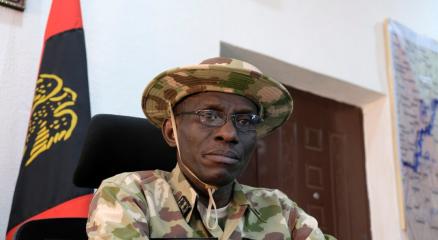
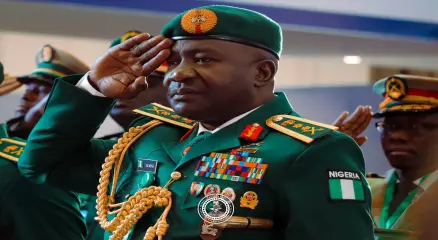
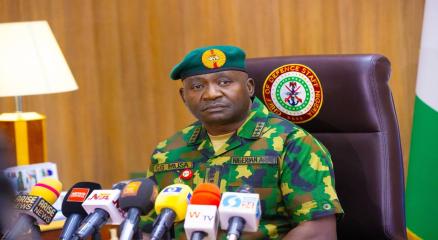
Nigeria’s security leadership shifted on Thursday afternoon when Christopher Musa was formally nominated as the country’s next Defence Minister during a high-level briefing at the Council Chamber of the Presidential Villa, Abuja. The meeting, which began shortly after 2:00 p.m., was presided over by the President and attended by some of the most senior figures in Nigeria’s security structure, including the National Security Adviser, Mallam Nuhu Ribadu; the Chief of Defence Staff, General Musa; the Chief of Army Staff, Lieutenant-General Taoreed Lagbaja; the Chief of Naval Staff, Vice Admiral Emmanuel Ogalla; the Chief of Air Staff, Air Marshal Hassan Abubakar; and the Inspector-General of Police, Kayode Egbetokun. Also present were the Secretary to the Government of the Federation, Senator George Akume, and the Chief of Staff to the President, Femi Gbajabiamila. Senior directors from the Ministry of Defence, including Permanent Secretary Dr. Ibrahim Abubakar Kana, joined the session along with aides from the State House and liaisons from the National Assembly. The outgoing Defence Minister was physically present as well, taking his final bow in front of the personnel he once supervised. Service chiefs took turns presenting field updates and intelligence assessments, outlining ongoing threats, troop morale, and areas requiring reinforcement. After reviewing the reports, the President announced Christopher Musa as the nominee for Minister of Defence, explaining that continuity, discipline and field experience were urgently needed as insecurity continues to test Nigeria’s stability. Speaking outside the Villa after the meeting, Musa told journalists that he considered the nomination “a call to serve with everything I have.” Ribadu also addressed reporters, describing Musa as a soldier whose career has been shaped by dedication to frontline operations across every major security theatre in the country. Lawmakers including Senator Ali Ndume and Honourable Ado Doguwa, who were at the Villa for separate engagements, congratulated Musa when they encountered him near the forecourt and expressed confidence in his leadership capacity. As the nomination heads to the National Assembly, many Nigerians want to know exactly who Christopher Musa is, what shaped him, and why he has become such a central figure in Nigeria’s fight against insecurity. Christopher Musa’s journey through the ranks has spanned decades, beginning as a young officer who served in several battalions across the country. He grew through operational roles at a time when Nigeria faced rising insurgency threats, and his postings took him to some of the most volatile regions in the North-East. Musa led troops during some of the intense phases of the long-running conflict against extremist groups, and colleagues have often described him as a field officer who preferred being physically present at operational zones rather than directing operations from headquarters. One of the missions that strengthened his reputation was his management of counter-insurgency operations in areas where villages were repeatedly attacked by armed groups. Troops under his command credited him for enforcing discipline, ensuring proper supply lines and insisting on intelligence-driven action. He was also part of multiple joint operations involving the Army, Air Force and civilian security volunteers, coordinating strategies that prevented several large-scale attacks in communities across Borno and Yobe. Musa also served in international peacekeeping missions earlier in his career, where he gained exposure to coalition operations, civilian protection protocols and multinational command structures. Officers who worked with him during these missions often cite his calmness under pressure, saying he rarely raised his voice yet demanded strict professionalism from every unit under his supervision. However, his career has not been without controversy. At various times, advocacy groups questioned certain tactics used during operations in conflict zones, especially when civilian populations were at risk. Musa consistently defended his teams by noting that Nigeria’s battles often involve complex terrains where armed groups mix with civilians, making operations delicate and sometimes misunderstood. While these concerns never led to disciplinary actions against him, they remain part of the broader national conversation on balancing security and human rights in conflict regions. His achievements remain significant in military circles. Musa was widely praised for reorganising battalion structures in some of the hardest-hit regions, improving troop rotations and reducing burnout among frontline officers. He introduced new reporting protocols that helped commanders relay intelligence faster and more accurately, strengthening coordination between units. He also advocated for improved welfare for soldiers, pushing for better housing, medical support and logistics for families of troops serving far from home. Why he matters now is tied directly to Nigeria’s present security climate. With insurgency still active in pockets, banditry affecting multiple states, kidnapping rings expanding their operations, and communal conflicts emerging in several zones, Nigeria requires leadership that understands the realities of field operations. Musa’s nomination signals the government’s desire to blend administrative oversight with battlefield awareness. His supporters believe that his years of operational command will help bridge the gap between security planning in Abuja and execution in remote areas. Observers say he is stepping into a role that demands strategic clarity, firmness and empathy as Nigeria attempts to stabilize rural communities, strengthen border control and rebuild public trust. Should he be confirmed by the National Assembly, Christopher Musa will face immediate pressure to produce visible results, harmonise security agencies and communicate effectively with both military personnel and civilians living in danger.

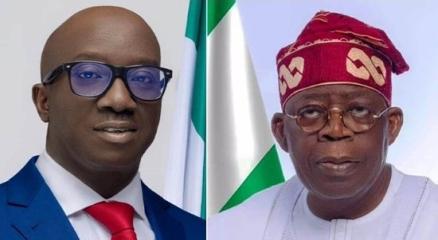
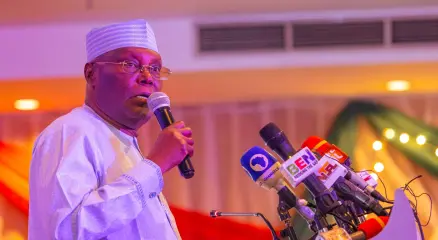
Nigeria’s political space is heating up once again, and one voice making waves is that of veteran journalist and publisher Dele Momodu. In a passionate public appeal, Momodu declared that Atiku Abubakar remains the most prepared opposition figure to lead Nigeria at this moment, urging other opposition leaders to close ranks and rally behind him. His message arrives at a time when many Nigerians are openly debating the future of leadership, the state of the economy, and the direction of the country. Momodu’s call is not simply political chatter—it is part of a broader conversation about unity, strategy, and Nigeria’s readiness for a new phase of national recovery. Why Dele Momodu Says Atiku Is “Best Prepared” For Momodu, Atiku’s experience stands out above all else. He points to Atiku’s decades in public service, his long involvement in national politics, and his consistent presence in conversations around restructuring, economic reforms, and democratic strengthening. To Momodu, Atiku represents a steady hand—someone who has studied Nigeria’s problems up close, faced political battles, and built relationships across regions and political blocs. He argues that Atiku’s long-term visibility and understanding of governance make him “ready from day one,” especially in a country where leadership transitions often come with slow starts and steep learning curves. A Call for Unity Among Opposition Figures Momodu’s strongest message, however, is directed at Nigeria’s fragmented opposition. He warns that division only strengthens the ruling class and weakens the chances of real change. He urges opposition leaders—across parties, movements, and ideological lines—to think beyond personal ambitions and focus on a united front that can challenge the status quo. To him, political unity is not just strategy. It is survival. Why the Opposition’s Next Move Matters for Nigeria Nigeria is going through economic uncertainty, rising living costs, and public frustration. Young people are demanding better governance, transparency, and stability. Older citizens are calling for leadership that can restore national balance. In moments like this, divided opposition politics can slow progress and leave the country trapped between cycles of disappointment. Momodu argues that unity is not about crowning a single man—it is about building a team, a coalition, and a clear plan for national recovery. Atiku’s Position in Nigeria’s Political Landscape Atiku Abubakar remains one of Nigeria’s most enduring political figures. Loved by many, criticised by some, but impossible to ignore. He has run for president multiple times, built a presence across all geopolitical zones, and stayed involved in national conversations long after election seasons ended. Whether people support him or not, Momodu believes this consistency shows a man who has prepared, studied, and remained ready. Momodu insists that in times of national uncertainty, experience cannot be replaced by emotion alone. What Nigerians Are Saying Reactions to Momodu’s statement have been mixed. Many supporters applauded the call for unity, saying Nigeria needs leaders who can collaborate rather than compete endlessly. Others argued that opposition unity must include younger voices, new thinkers, and people with fresh visions. But most agree on one thing: Nigeria cannot afford another cycle of scattered opposition politics and half-hearted alliances. Whether Nigerians accept Atiku as the standard-bearer or choose a different figure, the pressure to unite has never been stronger. The Road Ahead Momodu’s statement has opened a fresh chapter in political debate. It places pressure on opposition leaders to reconsider their strategies, rebuild bridges, and place national interest above rivalry. For citizens, it is another reminder that the 2027 political stage is already being shaped—quietly, loudly, and everywhere in between.